
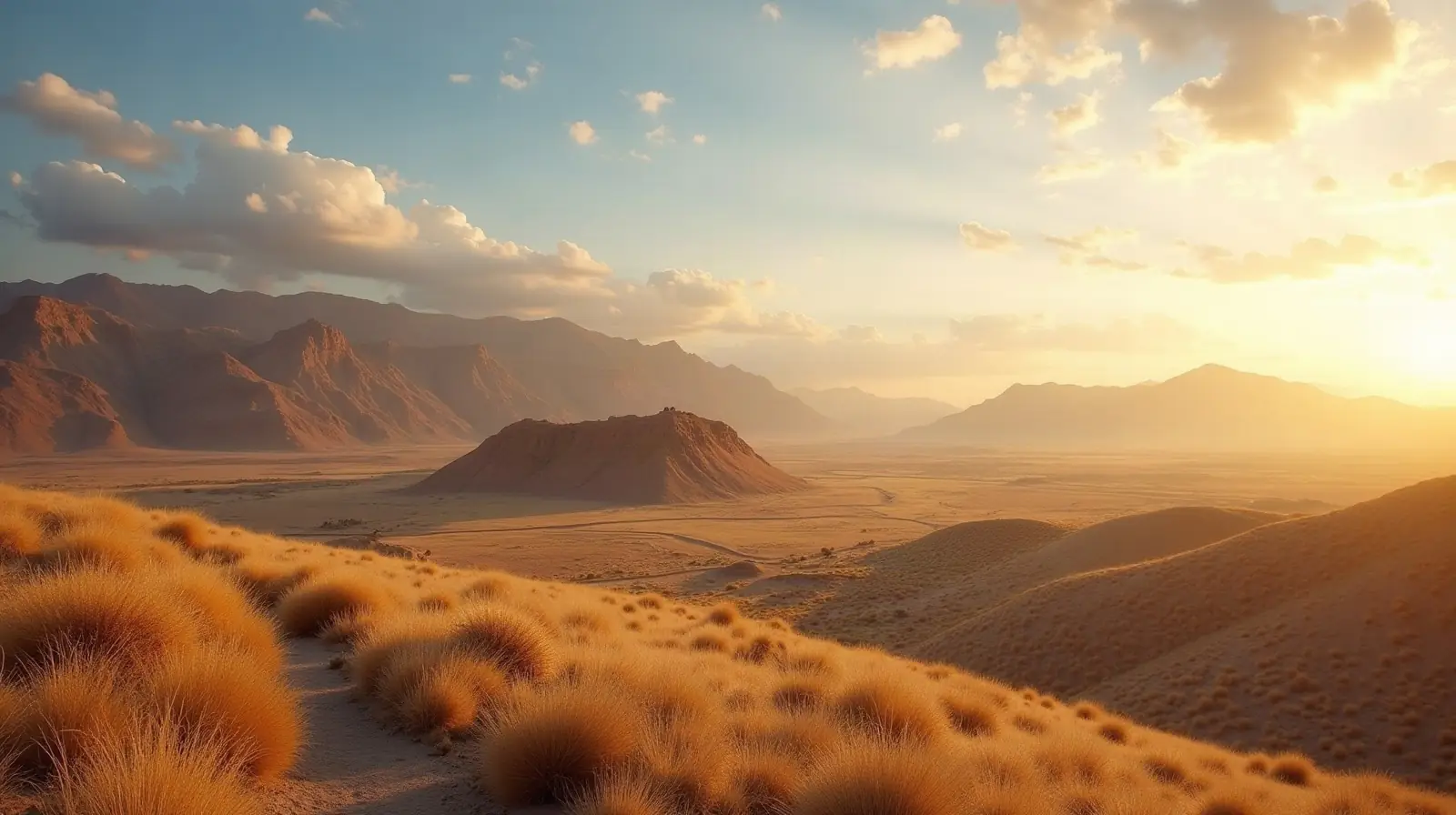
Southern Asia · UN member

Iran: Travel Guide & Requirements
Islamic Republic of Iran · جمهوری اسلامی ایران
Iran is a country in Southern Asia with its capital in Tehran. It has a population of 92.4 million (#17 in the world) and covers 1,648,195 km². The official language is Persian (Farsi). The currency is the Iranian rial (IRR, ﷼).
Where is Iran? Map of Iran
Middle East, bordering the Gulf of Oman, the Persian Gulf, and the Caspian Sea, between Iraq and Pakistan.
- Region
- Southern Asia
- Coordinates
- 32° N, 53° E
- Neighbours
- 7 — see list
- Coastline
- 2,440 km
- Iran
- Neighbours
- Capital
- Largest cities
Map of Iran showing Tehran (capital) and the largest cities: Mashhad, Isfahan, Tabriz, Shiraz, Qom, Ahvaz, Kermanshah and Rasht.
Travel requirements
What you need to travel to Iran
- Passport
Iran's Foreign Ministry eVisa portal says that to apply for any electronic visa your passport should have at least six months of validity beyond your actual travel date, and its visa-on-arrival page says all visitors mu…
- Visa or eTA
Depends on your passport: of 198 passports, 42 need no visa, 1 needs an eVisa, 154 need a visa from an embassy. Check yours or see Iran entry requirements for every passport.
- Return or onward ticket
No official requirement. The MFA eVisa application asks for your travel itinerary only if you have already made travel arrangements.
- Proof of funds
No official requirement. The UK government says non-Iranian debit and cash cards will not work in Iran.
- Travel insurance
Iran's embassy in Berlin adds EUR 10 for travel insurance to every visa fee it charges, and Iran's Interests Section in Washington charges a non-refundable insurance fee of US$13 per visa application; no official source…
- Vaccinations
The UK Foreign Office says that to enter Iran you must have a certificate proving a yellow fever vaccination if you are coming from a country listed as a transmission risk.
- Customs allowance
No Iranian source we could read states a cash-declaration threshold.
- Travel advice
Avoid travel — US and UK advice.
Entry rules: TravelRequirements.info — Entry Requirements Dataset (CC BY 4.0), each rule cited to an official government source. Always confirm with the airline and the official source before you travel.
Before you go
10 things to know before you travel to Iran
- Safety: Governments advise against travel to Iran: the US State Department rates Iran Level 4 (“Do Not Travel”), and the UK Foreign Office advises against all travel to the whole country.
- Best time to go: October — when daytime highs in Tehran are around 24°C.
- Money: the Iranian rial (IRR) — 1 US dollar is about 1,832,537.1 IRR.
- Plugs: type C and F, 220 V, 50 Hz — standard 220–240 V: devices from the US or Japan (110–120 V) need a converter unless they are dual voltage (100–240 V).
- Emergency numbers: Police 110, Ambulance 115, Fire 125.
- Language: Persian (Farsi) is official.
- Driving: on the right — speed limits are 60 km/h in built-up areas and 95 km/h outside built-up areas.
- Time zone: UTC+3.5 in Tehran.
- Capital: Tehran. About 92.4 million people live in Iran.
- Iran is the 18th largest country in the world by area.
Key facts
Iran at a glance
Languages spoken: Persian Farsi (official), Azeri and other Turkic dialects, Kurdish, Gilaki and Mazandarani, Luri, Balochi, Arabic
Geography & history
About Iran
Known as Persia until 1935, Iran became an Islamic republic in 1979 after the ruling monarchy was overthrown and Shah Mohammad Reza PAHLAVI was forced into exile. Conservative clerical forces led by Ayatollah Ruhollah KHOMEINI established a theocratic system of government with ultimate political authority vested in a religious scholar known as the Supreme Leader, who is accountable only to the Assembly of Experts -- an elected 88-member body of clerics. US-Iran relations became strained when Iranian students seized the US Embassy in Tehran in November 1979 and held embassy personnel hostage until mid-January 1981. The US cut off diplomatic relations with Iran in April 1980. From 1980 to 198…
Read the full history
Known as Persia until 1935, Iran became an Islamic republic in 1979 after the ruling monarchy was overthrown and Shah Mohammad Reza PAHLAVI was forced into exile. Conservative clerical forces led by Ayatollah Ruhollah KHOMEINI established a theocratic system of government with ultimate political authority vested in a religious scholar known as the Supreme Leader, who is accountable only to the Assembly of Experts -- an elected 88-member body of clerics. US-Iran relations became strained when Iranian students seized the US Embassy in Tehran in November 1979 and held embassy personnel hostage until mid-January 1981. The US cut off diplomatic relations with Iran in April 1980. From 1980 to 1988, Iran fought a bloody, indecisive war with Iraq that eventually expanded into the Persian Gulf and led to clashes between US Navy and Iranian military forces. Iran has been designated a state sponsor of terrorism since 1984. After the election of reformer Hojjat ol-Eslam Mohammad KHATAMI as president in 1997 and a reformist Majles (legislature) in 2000, a political reform campaign in response to popular dissatisfaction was initiated, but conservative politicians blocked reform measures while increasing repression. Municipal and legislative elections in 2003 and 2004 saw conservatives reestablish control over Iran's elected government institutions, culminating in the 2005 inauguration of hardliner Mahmud AHMADI-NEJAD as president. His reelection in 2009 sparked nationwide protests over allegations of electoral fraud, and the protests persisted until 2011. In 2013, Iranians elected to the presidency centrist cleric Dr. Hasan Fereidun RUHANI, a longtime senior regime member who promised to reform society and foreign policy. In 2019, Tehran's sudden decision to increase the gasoline price sparked nationwide protests, which the regime violently suppressed. Conservatives won the majority in Majles elections in 2020, and hardline cleric Ebrahim RAISI was elected president in 2021, resulting in a conservative monopoly across the regime's elected and unelected institutions. Iran continues to be subject to a range of international sanctions and export controls because of its involvement in terrorism, weapons proliferation, human rights abuses, and concerns over the nature of its nuclear program. Iran received nuclear-related sanctions relief in exchange for nuclear concessions under the Joint Comprehensive Plan of Action's (JCPOA) Implementation Day beginning in 2016. However, the US reimposed nuclear-related sanctions on Iran after it unilaterally terminated its JCPOA participation in 2018. In October 2023, the EU and the UK also decided to maintain nuclear-proliferation-related measures on Iran, as well as arms and missile embargoes, in response to Iran's non-compliance with its JCPOA commitments. As president, RAISI has concentrated on deepening Iran's foreign relations with anti-US states -- particularly China and Russia -- to weather US sanctions and diplomatic pressure, while supporting negotiations to restore a nuclear deal that began in 2021. RAISI contended with nationwide protests that began in September 2022 and persisted for over three months after the death of a Kurdish Iranian woman, Mahsa AMINI, in morality police custody. Young people and women led the protests, and demands focused on regime change.
Location
Middle East, bordering the Gulf of Oman, the Persian Gulf, and the Caspian Sea, between Iraq and Pakistan
Climate
mostly arid or semiarid, subtropical along Caspian coast
Terrain
rugged, mountainous rim; high, central basin with deserts, mountains; small, discontinuous plains along both coasts
Highest point
Kuh-e Damavand 5,625 m
Natural resources
petroleum, natural gas, coal, chromium, copper, iron ore, lead, manganese, zinc, sulfur
Natural hazards
periodic droughts, floods; dust storms, sandstorms; earthquakes
National symbols
lion
Driving
Speed limits & road rules in Iran
The default speed limits in Iran are 60 km/h in built-up areas and 95 km/h outside built-up areas. Posted signs always take priority over these defaults.
- 6060 km/hBuilt-up areasTowns and citiesWHO data (2017)
- 9595 km/hOutside built-up areasCountry roadsWHO data (2017)
- International Driving PermitRecognised: 1968 Vienna, 1949 GenevaCarry the IDP together with your national licence
- Driving sideDrive on the rightOvertake on the left
- Seat beltsRequired by law
- Child seatsNo national child-restraint law
- Motorcycle helmetsRequired for riders
- Road deaths (2021)20.6 per 100,000 peopleHigher than most countries (median 12.4)
Speed limits: OpenStreetMap wiki — Default speed limits (CC BY-SA 2.0) and WHO. Road-safety laws: WHO Global Health Observatory. Compare speed limits and alcohol limits by country. Defaults for cars; local signs, weather and vehicle type can lower them.
Safety
Is Iran safe to visit?
Governments advise against travel to Iran: the US State Department rates Iran Level 4 (“Do Not Travel”), and the UK Foreign Office advises against all travel to the whole country.
 US State Department
 UK Foreign Office (FCDO)
Latest update: Removal of information on temporary withdrawal of UK staff from Iran and the embassy operating remotely (‘Warnings and insurance’ page).
Updated 13 Aug 2026 · Full travel advice
Sources: US Department of State travel advisories (public domain) and UK FCDO foreign travel advice (contains public sector information licensed under the Open Government Licence v3.0). Checked daily. Advice can change quickly — always read the official page before you travel.
Weather
Best time to visit Iran
The best time to visit Iran is October, when daytime highs in Tehran are around 24°C. April to May are also a good time to go. July is the warmest month (38°C by day), January the coldest (-2°C at night).
- Jan8°C-2°C
- Feb11°C-0°C
- Mar17°C4°C
- Apr22°C9°C
- May29°C15°C
- Jun35°C20°C
- Jul38°C23°C
- Aug36°C22°C
- Sep32°C18°C
- Oct24°C12°C
- Nov15°C4°C
- Dec10°C-0°C
Best time Good Less ideal
Before you go
Plugs, voltage & emergency numbers in Iran
Plugs & sockets
220 V, 50 Hz · Standard 220–240 V: devices from the US or Japan (110–120 V) need a converter unless they are dual voltage (100–240 V).
Emergency numbers
Save the local numbers before you travel — 112 or 911 may not connect here. All countries →
Sources: Wikipedia — Mains electricity by country and List of emergency telephone numbers (CC BY-SA 4.0).
Ski resorts
22 ski resorts in Iran
- 36 km of slopes
- 70 lifts
- up to 3,846 m
Biggest: پیست اسکی دربندسر · پیست اسکی دیزین · پیست اسکی شیرباد
National parks
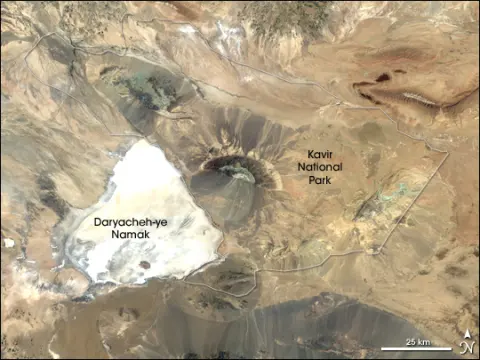
32 national parks in Iran
- 20,360 km² protected
- oldest from 1964
Largest: Urmia Lake National Park · Kavir National Park · Khabr National Park and Ruchun Wildlife Refuge
Currency · 26 October 2026
Iranian rial exchange rates today
Iran uses the Iranian rial (IRR, ﷼). One US dollar buys 1,832,537.1 IRR; over the last 30 days the IRR has lost 25.0% against the dollar.
What other currencies cost in IRR
Currency converter
Daily reference rates from the open-source currency-api (CC0), 26 Oct 2026. Banks and exchange offices add a margin.
World rankings
Where Iran ranks
How Iran compares with the rest of the world — open any card for the full ranking.
Airports
Airports in Iran
325 airports and airfields — 15 large, 49 medium and 119 small, plus 142 heliports. 45 have scheduled passenger flights.
Borders
Neighbouring countries
Iran borders 7 countries along 5,894 km of land borders. Coastline: 2,440 km.


Military
Iranian armed forces
Iran ranks #17 of 145 in the Global Firepower military strength ranking, with a defence budget of $7.4 billion (2025).
People
Population & society
Religion
Largest cities: Tehran (9.5 million), Mashhad (3.4 million), Esfahan (2.3 million), Shiraz (1.7 million), Tabriz (1.7 million)
Economy
Economy
Main industries
petroleum, petrochemicals, gas, fertilizer, caustic soda, textiles, cement and other construction materials, food processing (particularly sugar refining and vegetable oil production), ferrous and nonferrous metal fabri…
Export partners
China 35%, Turkey 16%, India 8%, Pakistan 7%, Armenia 5% (2023)
Top exports
plastics, iron ore, alcohols, natural gas, refined copper (2023)
Travel tools
Handy before every trip to Iran
Next public holiday
Martyrdom of Fatima — Friday, 13 November 2026. Then Birthday of Imam Ali (23 Dec).

Iranian passport
Ranked #186: 13 countries visa-free, 27 with visa on arrival, 4 with an eTA and 41 with an eVisa.
Iranian passport photo
Exact size, head position and background for Iran's passport and visa photos — make one free with AI checks.
Calling Iran
Dial +98 before the local number. Internet domain .ir.
Climate footprint
792.6 million tonnes of CO₂ in 2024 — 8.66 t per person.
Entry requirements
Visa rules for every passport visiting Iran: visa-free stays, eVisas, visas on arrival and documents to bring.
News
Latest travel news about Iran
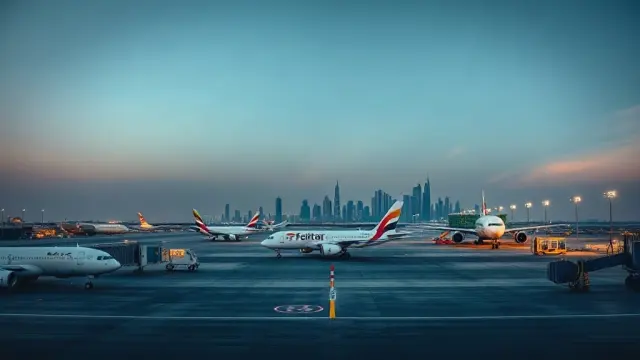
UAE trips: US advisory adds terror, conflict risk; check plans before you fly
The United States updated its United Arab Emirates travel advisory on 24 October 2026 to add terrorism and armed conflict risks. The alert stays at L…
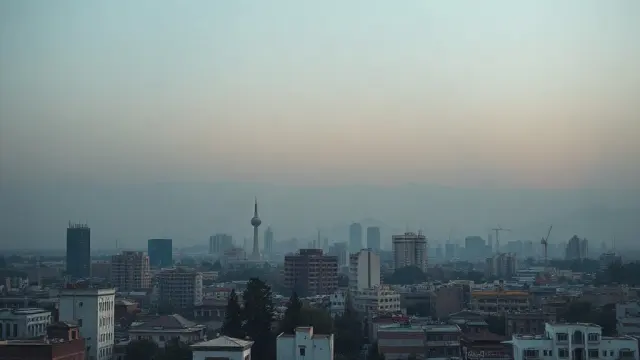
U.S. Urges Americans to Leave Iran as Advisory Adds Houthi Warning
The U.S. Department of State updated its Iran travel advisory on 23 October 2026, warning of increased Iranian-supported Houthi aggression while keep…
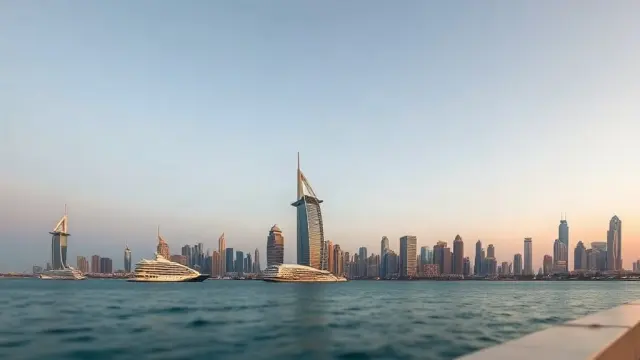
Travellers to Kuwait Still Advised to Reconsider Trip as Houthi Risk Rises
The U.S. Embassy in Kuwait updated its travel advisory on 23 October 2026 to reflect a greater threat of Iranian-supported Houthi attacks. The level …
Frequently asked questions about Iran
What do I need to travel to Iran?
How long must my passport be valid for Iran?
Where is Iran?
What is Iran known for?
What is the capital of Iran?
What language is spoken in Iran?
What currency does Iran use?
What is the calling code of Iran?
Which countries border Iran?
How strong is the Iranian passport?
What is the speed limit in Iran?
Is Iran safe to visit?
When is the best time to visit Iran?
What plug type does Iran use?
How many airports does Iran have?
Sources: CIA World Factbook (public domain); World Bank Open Data (CC BY 4.0); names, languages and currencies: mledoze/countries (ODbL); flag: flag-icons (MIT); coat of arms: Wikimedia Commons (file page); exchange rates: Daily reference rates from the open-source currency-api (CC0); airports: OurAirports.