
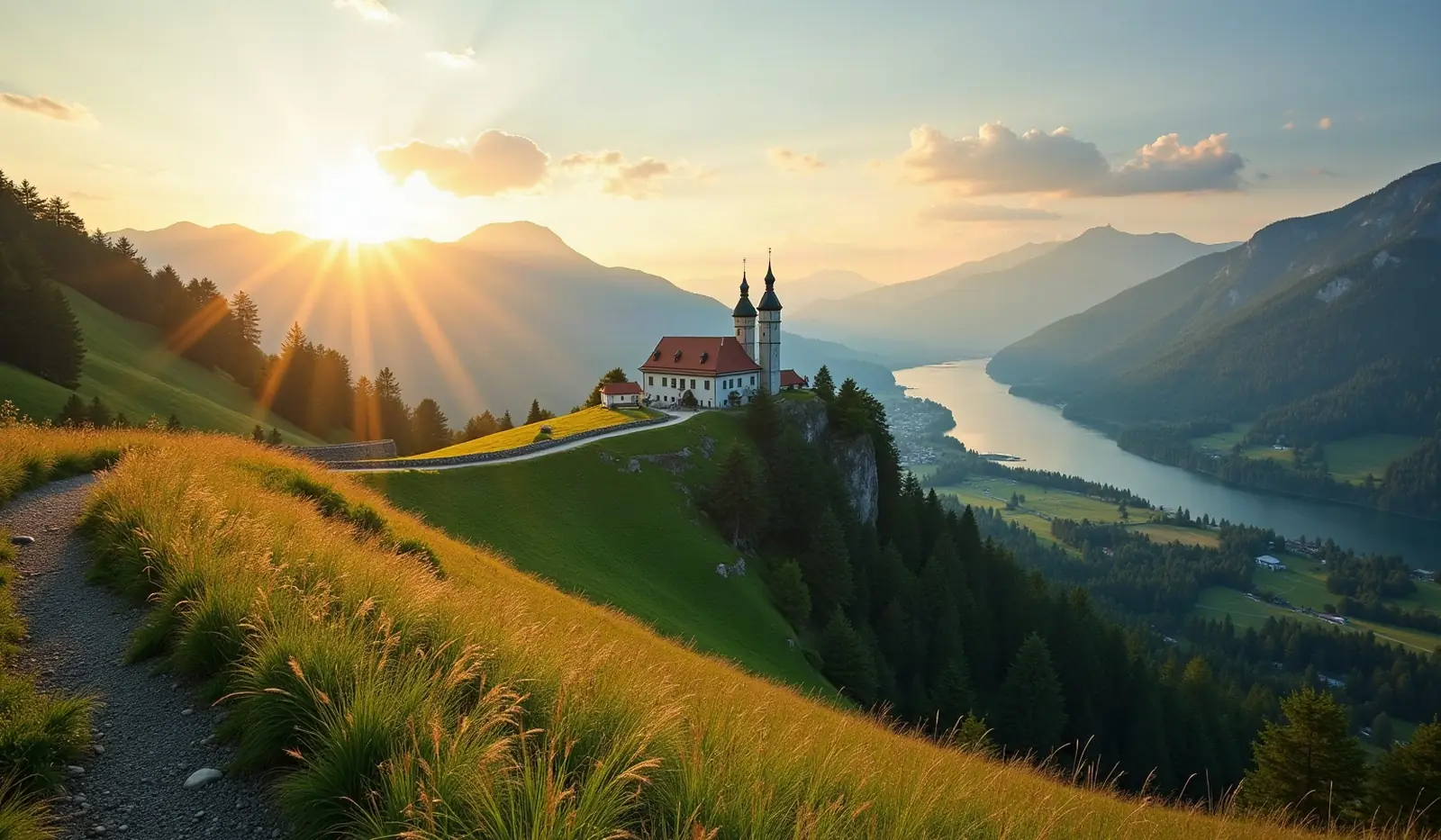
Central Europe · UN member

Slovenia: Travel Guide & Requirements
Republic of Slovenia · Republika Slovenija
Slovenia is a country in Central Europe with its capital in Ljubljana. It has a population of 2.1 million (#148 in the world) and covers 20,273 km². The official language is Slovene. The currency is the Euro (EUR, €).
Where is Slovenia? Map of Slovenia
south Central Europe, Julian Alps between Austria and Croatia.
- Region
- Central Europe
- Coordinates
- 46.1167° N, 14.8167° E
- Neighbours
- 4 — see list
- Coastline
- 47 km
- Slovenia
- Neighbours
- Capital
- Largest cities
Map of Slovenia showing Ljubljana (capital) and the largest cities: Maribor, Celje, Koper and Novo Mesto.
Travel requirements
What you need to travel to Slovenia
- Passport
The UK Foreign Office says your passport must have a date of issue less than 10 years before the date you arrive and an expiry date at least 3 months after the day you plan to leave the Schengen area.
- Visa or eTA
Depends on your passport: of 198 passports, 93 need no visa, 105 need a visa from an embassy. Check yours or see Slovenia entry requirements for every passport.
- Return or onward ticket
No official requirement. The UK government says that at Slovenian border control you may need to show a return or onward ticket and prove that you have enough money for your stay.
- Proof of funds
The European Commission's table of reference amounts gives Slovenia's as EUR 70, and EUR 35 for minors accompanied by their parents.
- Travel insurance
The Visa Code requires applicants for a uniform visa for one or two entries to prove that they hold adequate and valid travel medical insurance, valid throughout the territory of the Member States for the entire intende…
- Customs allowance
If you enter or leave the EU with €10,000 in cash (or its equivalent in other currencies), you must declare it to the customs authorities in the EU country you are entering or leaving.
- Travel advice
Safe to visit — US and UK advice.
Entry rules: TravelRequirements.info — Entry Requirements Dataset (CC BY 4.0), each rule cited to an official government source. Always confirm with the airline and the official source before you travel.
Before you go
10 things to know before you travel to Slovenia
- Safety: Yes — Slovenia is generally safe to visit: the US State Department rates Slovenia Level 1 (“Exercise Normal Precautions”), and the UK Foreign Office has no warnings against travel there.
- Best time to go: June to August — when daytime highs in Ljubljana are around 23–26°C.
- Money: the Euro (EUR) — 1 US dollar is about 0.8911 EUR.
- Plugs: type C and F, 230 V, 50 Hz — standard 220–240 V: devices from the US or Japan (110–120 V) need a converter unless they are dual voltage (100–240 V).
- Emergency numbers: Police 112, Ambulance 112, Fire 112.
- Language: Slovene is official.
- Driving: on the right — speed limits are 50 km/h in built-up areas, 90 km/h outside built-up areas and 130 km/h on motorways.
- Time zone: UTC+1 in Ljubljana.
- Capital: Ljubljana. About 2.1 million people live in Slovenia.
- Outdoors: 1 national park and 28 ski areas.
Key facts
Slovenia at a glance
Languages spoken: Slovene (official) 87.7%, Croatian 2.8%, Serbo-Croatian 1.8%, Bosnian 1.6%, Serbian 1.6%, Hungarian 0.4% (official, only in municipalities where Hungarian nationals reside), Italian 0.2% (official, only in municipalities where Italian nationals reside), other or unspecified 3.9% (2002 est.)
Geography & history
About Slovenia
The Slovene lands were part of the Austro-Hungarian Empire until the latter's dissolution at the end of World War I. In 1918, Slovenia became part of the Kingdom of Serbs, Croats, and Slovenes, which was renamed Yugoslavia in 1929. After World War II, Slovenia joined Bosnia and Herzegovina, Croatia, Macedonia, Montenegro, and Serbia as one of the constituent republics in the new Socialist Federal Republic of Yugoslavia (SFRY). In 1990, Slovenia held its first multiparty elections, as well as a referendum on independence. Serbia responded with an economic blockade and military action, but after a short 10-day war, Slovenia declared independence in 1991. Slovenia acceded to both NATO and the …
Read the full history
The Slovene lands were part of the Austro-Hungarian Empire until the latter's dissolution at the end of World War I. In 1918, Slovenia became part of the Kingdom of Serbs, Croats, and Slovenes, which was renamed Yugoslavia in 1929. After World War II, Slovenia joined Bosnia and Herzegovina, Croatia, Macedonia, Montenegro, and Serbia as one of the constituent republics in the new Socialist Federal Republic of Yugoslavia (SFRY). In 1990, Slovenia held its first multiparty elections, as well as a referendum on independence. Serbia responded with an economic blockade and military action, but after a short 10-day war, Slovenia declared independence in 1991. Slovenia acceded to both NATO and the EU in the spring of 2004; it joined the euro zone and the Schengen Area in 2007.
Location
south Central Europe, Julian Alps between Austria and Croatia
Climate
Mediterranean climate on the coast, continental climate with mild to hot summers and cold winters in the plateaus and valleys to the east
Terrain
a short southwestern coastal strip of Karst topography on the Adriatic; an alpine mountain region lies adjacent to Italy and Austria in the north; mixed mountains and valleys with numerous rivers to the east
Highest point
Triglav 2,864 m
Natural resources
lignite, lead, zinc, building stone, hydropower, forests
Natural hazards
flooding; earthquakes
National symbols
Mount Triglav
Driving
Speed limits & road rules in Slovenia
The default speed limits in Slovenia are 50 km/h in built-up areas, 90 km/h outside built-up areas and 130 km/h on motorways. The legal alcohol limit for drivers is 0.5‰. Posted signs always take priority over these defaults.
- 1010 km/hResidential zonesLiving streets & residential areas
- 5050 km/hBuilt-up areasTowns and cities
- 9090 km/hOutside built-up areasCountry roads
- 130130 km/hMotorwaysMotorways / freewaysWith a trailer: 100 km/h
- International Driving PermitRecognised: 1968 Vienna, 1949 GenevaCarry the IDP together with your national licence
- Driving sideDrive on the rightOvertake on the left
- Alcohol limit0.5‰ blood alcohol (0.05% BAC)Zero tolerance for young / novice drivers
- Seat beltsRequired by law
- Child seatsRequired by law
- Motorcycle helmetsRequired for riders
- Road deaths (2021)5.8 per 100,000 peopleSafer than most countries (median 12.4)
Speed limits: OpenStreetMap wiki — Default speed limits (CC BY-SA 2.0). Road-safety laws: WHO Global Health Observatory. Compare speed limits and alcohol limits by country. Defaults for cars; local signs, weather and vehicle type can lower them.
Safety
Is Slovenia safe to visit?
Yes — Slovenia is generally safe to visit: the US State Department rates Slovenia Level 1 (“Exercise Normal Precautions”), and the UK Foreign Office has no warnings against travel there.
 US State Department
 UK Foreign Office (FCDO)
Latest update: Updated information on European Entry-Exit System (EES) (‘Entry requirements’ page).
Updated 11 Aug 2026 · Full travel advice
Sources: US Department of State travel advisories (public domain) and UK FCDO foreign travel advice (contains public sector information licensed under the Open Government Licence v3.0). Checked daily. Advice can change quickly — always read the official page before you travel.
Weather
Best time to visit Slovenia
The best time to visit Slovenia is June to August, when daytime highs in Ljubljana are around 23–26°C. July is the warmest month (26°C by day), January the coldest (-5°C at night), and September the wettest with about 118 mm of rain.
- Jan2°C-5°C
- Feb4°C-4°C
- Mar9°C-1°C
- Apr14°C4°C
- May19°C8°C
- Jun23°C12°C
- Jul26°C14°C
- Aug25°C14°C
- Sep20°C9°C
- Oct14°C5°C
- Nov9°C1°C
- Dec3°C-3°C
Best time Good Less ideal
Before you go
Plugs, voltage & emergency numbers in Slovenia
Plugs & sockets
230 V, 50 Hz · Standard 220–240 V: devices from the US or Japan (110–120 V) need a converter unless they are dual voltage (100–240 V).
Emergency numbers
112 works from any mobile phone, even without a SIM card in most networks. All countries →
Sources: Wikipedia — Mains electricity by country and List of emergency telephone numbers (CC BY-SA 4.0).
Ski resorts
28 ski resorts in Slovenia
- 176 km of slopes
- 142 lifts
- up to 2,136 m
Biggest: Smučišča Mariborsko Pohorje · Kranjska Gora · Vogel
National parks
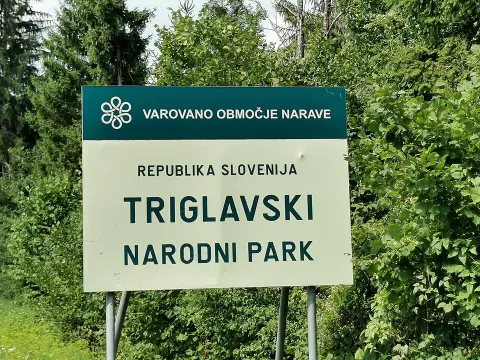
1 national park in Slovenia
- 840 km² protected
- oldest from 1981
Largest: Triglav National Park
Currency · 26 October 2026
Euro exchange rates today
Slovenia uses the Euro (EUR, €). One US dollar buys 0.8911 EUR; over the last 30 days the EUR has lost 1.5% against the dollar.
What other currencies cost in EUR
Currency converter
Daily reference rates from the open-source currency-api (CC0), 26 Oct 2026. Banks and exchange offices add a margin.
World rankings
Where Slovenia ranks
How Slovenia compares with the rest of the world — open any card for the full ranking.
Airports
Airports in Slovenia
46 airports and airfields — 1 large, 3 medium and 38 small, plus 4 heliports. 2 have scheduled passenger flights.
Borders
Neighbouring countries
Slovenia borders 4 countries along 1,211 km of land borders. Coastline: 47 km.


Military
Slovenian armed forces
Slovenia ranks #86 of 145 in the Global Firepower military strength ranking, with a defence budget of $1.2 billion (2025).
People
Population & society
Religion
Largest cities: Ljubljana (286,000)
Economy
Economy
Main industries
ferrous metallurgy and aluminum products, lead and zinc smelting; electronics (including military electronics), trucks, automobiles, electric power equipment, wood products, textiles, chemicals, machine tools
Export partners
Switzerland 22%, Germany 12%, Italy 10%, Croatia 8%, Austria 6% (2023)
Top exports
packaged medicine, cars, refined petroleum, vehicle parts/accessories, plastic products (2023)
Travel tools
Handy before every trip to Slovenia
Next public holiday
Reformation Day — Saturday, 31 October 2026. Then Day of the Dead (1 Nov).

Slovenian passport
Ranked #23: 120 countries visa-free, 33 with visa on arrival, 8 with an eTA and 20 with an eVisa.
Slovenian passport photo
Exact size, head position and background for Slovenia's passport and visa photos — make one free with AI checks.
Calling Slovenia
Dial +386 before the local number. Internet domain .si.
Climate footprint
12.8 million tonnes of CO₂ in 2024 — 6.02 t per person.
Entry requirements
Visa rules for every passport visiting Slovenia: visa-free stays, eVisas, visas on arrival and documents to bring.
News
Latest travel news about Slovenia
Travellers from Slovenia can enter 183 destinations visa-free, joint 7th in 2026
Slovenia sits in joint seventh place in the October 2026 Henley Passport Index, with its passport holders able to reach 183 destinations without arra…
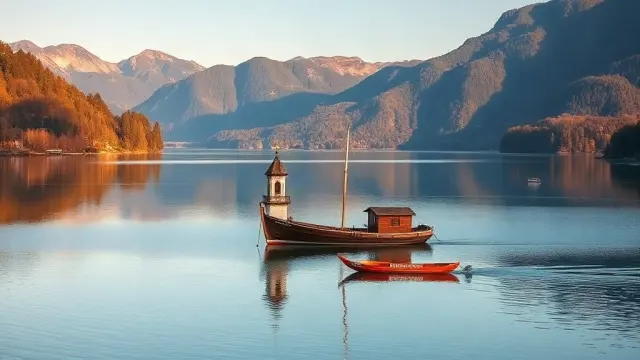
New Newark to Ljubljana Flights Start May 2027 as Slovenia Draws US Travellers
United Airlines plans nonstop flights from Newark to Ljubljana from 12 May 2027, four times a week. US travellers do not need a visa for Slovenian vi…
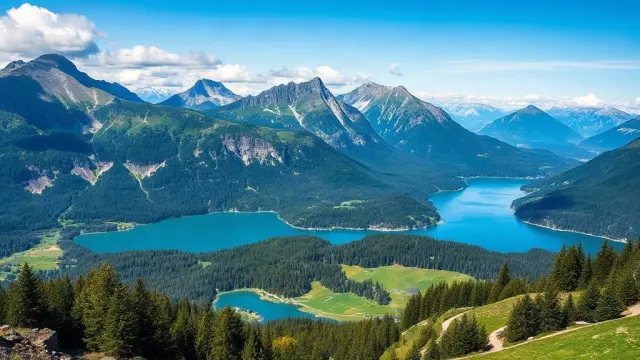
Visiting Slovenia: Travel Routes from Neighboring Countries
Slovenia's central location makes it easily accessible from Italy, Austria, Croatia, and Hungary. Travelers can choose from trains, buses, or cars to…
Frequently asked questions about Slovenia
What do I need to travel to Slovenia?
How long must my passport be valid for Slovenia?
Where is Slovenia?
What is Slovenia known for?
What is the capital of Slovenia?
What language is spoken in Slovenia?
What currency does Slovenia use?
What is the calling code of Slovenia?
Which countries border Slovenia?
How strong is the Slovenian passport?
What is the speed limit in Slovenia?
Is Slovenia safe to visit?
When is the best time to visit Slovenia?
What plug type does Slovenia use?
How many airports does Slovenia have?
Sources: CIA World Factbook (public domain); World Bank Open Data (CC BY 4.0); names, languages and currencies: mledoze/countries (ODbL); flag: flag-icons (MIT); coat of arms: Wikimedia Commons (file page); exchange rates: Daily reference rates from the open-source currency-api (CC0); airports: OurAirports.