
Western Asia · UN member

Jordan: Travel Guide & Requirements
Hashemite Kingdom of Jordan · المملكة الأردنية الهاشمية
Jordan is a country in Western Asia with its capital in Amman. It has a population of 11.5 million (#83 in the world) and covers 89,342 km². The official language is Arabic. The currency is the Jordanian dinar (JOD, د.ا).
Where is Jordan? Map of Jordan
Middle East, northwest of Saudi Arabia, between Israel (to the west) and Iraq.
- Region
- Western Asia
- Coordinates
- 31° N, 36° E
- Neighbours
- 5 — see list
- Coastline
- 26 km
- Jordan
- Neighbours
- Capital
- Largest cities
Map of Jordan showing Amman (capital) and the largest cities: Irbid, Aqaba, Rukban, Ma'an and Aţ Ţafīlah.
Travel requirements
What you need to travel to Jordan
- Passport
The UK Foreign Office tells British nationals their passport must have an expiry date at least 6 months after the date they arrive in Jordan.
- Visa or eTA
Depends on your passport: of 198 passports, 7 need no visa, 137 get a visa on arrival, 54 need a visa from an embassy. Check yours or see Jordan entry requirements for every passport.
- Return or onward ticket
No official Jordanian source we could read states a general onward-ticket rule for visitors.
- Proof of funds
No official requirement.
- Travel insurance
No official requirement.
- Customs allowance
Jordan's Anti-Money Laundering Unit says every person arriving in or leaving Jordan must declare cash or bearer negotiable instruments whose total value exceeds JOD 10,000 or the equivalent in foreign currencies, on the…
- Travel advice
High risk — US and UK advice.
Entry rules: TravelRequirements.info — Entry Requirements Dataset (CC BY 4.0), each rule cited to an official government source. Always confirm with the airline and the official source before you travel.
Before you go
9 things to know before you travel to Jordan
- Safety: Travel to Jordan carries a high risk: the US State Department rates Jordan Level 3 (“Reconsider Travel”), and the UK Foreign Office advises against all travel to parts of the country.
- Best time to go: March to April and November — when daytime highs in Amman are around 23–27°C.
- Money: the Jordanian dinar (JOD) — 1 US dollar is about 0.7090 JOD.
- Plugs: type B, C, D, F, G and J, 230 V, 50 Hz — standard 220–240 V: devices from the US or Japan (110–120 V) need a converter unless they are dual voltage (100–240 V).
- Emergency numbers: Police 911, Ambulance 911, Fire 911.
- Language: Arabic is official; English is also spoken.
- Driving: on the right — speed limits are 90 km/h in built-up areas and 120 km/h outside built-up areas.
- Time zone: UTC+3 in Amman.
- Capital: Amman. About 11.5 million people live in Jordan.
Key facts
Jordan at a glance
Languages spoken: Arabic (official), English (widely understood among upper and middle classes)
Geography & history
About Jordan
After World War I and the dissolution of the Ottoman Empire, the League of Nations awarded Britain the mandate to govern much of the Middle East. In 1921, Britain demarcated from Palestine a semi-autonomous region of Transjordan and recognized ABDALLAH I from the Hashemite family as the country's first leader. The Hashemites also controlled the Hijaz, or the western coastal area of modern-day Saudi Arabia, until 1925, when IBN SAUD and Wahhabi tribes pushed them out. The country gained its independence in 1946 and thereafter became the Hashemite Kingdom of Jordan. The country has had four kings. Long-time ruler King HUSSEIN (r. 1953-99) successfully navigated competing pressures from the ma…
Read the full history
After World War I and the dissolution of the Ottoman Empire, the League of Nations awarded Britain the mandate to govern much of the Middle East. In 1921, Britain demarcated from Palestine a semi-autonomous region of Transjordan and recognized ABDALLAH I from the Hashemite family as the country's first leader. The Hashemites also controlled the Hijaz, or the western coastal area of modern-day Saudi Arabia, until 1925, when IBN SAUD and Wahhabi tribes pushed them out. The country gained its independence in 1946 and thereafter became the Hashemite Kingdom of Jordan. The country has had four kings. Long-time ruler King HUSSEIN (r. 1953-99) successfully navigated competing pressures from the major powers (US, UK, and Soviet Union), various Arab states, Israel, and Palestinian militants, the latter of which led to a brief civil war in 1970 that is known as "Black September" and ended in King HUSSEIN ousting the militants. Jordan's borders have changed since it gained independence. In 1948, Jordan took control of the West Bank and East Jerusalem in the first Arab-Israeli War, eventually annexing those territories in 1950 and granting its new Palestinian residents Jordanian citizenship. In 1967, Jordan lost the West Bank and East Jerusalem to Israel in the Six-Day War but retained administrative claims to the West Bank until 1988, when King HUSSEIN permanently relinquished Jordanian claims to the West Bank in favor of the Palestine Liberation Organization (PLO). King HUSSEIN signed a peace treaty with Israel in 1994, after Israel and the PLO signed the Oslo Accords in 1993. Jordanian kings continue to claim custodianship of the Muslim holy sites in Jerusalem by virtue of their Hashemite heritage as descendants of the Prophet Mohammad and agreements with Israel and Jerusalem-based religious and Palestinian leaders. After Israel captured East Jerusalem in the 1967 War, it authorized the Jordanian-controlled Islamic Trust, or Waqf, to continue administering the Al Haram ash Sharif/Temple Mount holy compound, and the Jordan-Israel peace treaty reaffirmed Jordan's "special role" in administering the Muslim holy shrines in Jerusalem. Jordanian kings claim custodianship of the Christian sites in Jerusalem on the basis of the 7th-century Pact of Omar, when the Muslim leader, after conquering Jerusalem, agreed to permit Christian worship. King HUSSEIN died in 1999 and was succeeded by his eldest son and current King ABDALLAH II. In 2009, ABDALLAH II designated his son HUSSEIN as the Crown Prince. During his reign, ABDALLAH II has contended with a series of challenges, including the Arab Spring influx of refugees from neighboring states, the COVID-19 pandemic, the effects of the war in Ukraine, a perennially weak economy, and the Israel-HAMAS conflict that began in October 2023.
Location
Middle East, northwest of Saudi Arabia, between Israel (to the west) and Iraq
Climate
mostly arid desert; rainy season in west (November to April)
Terrain
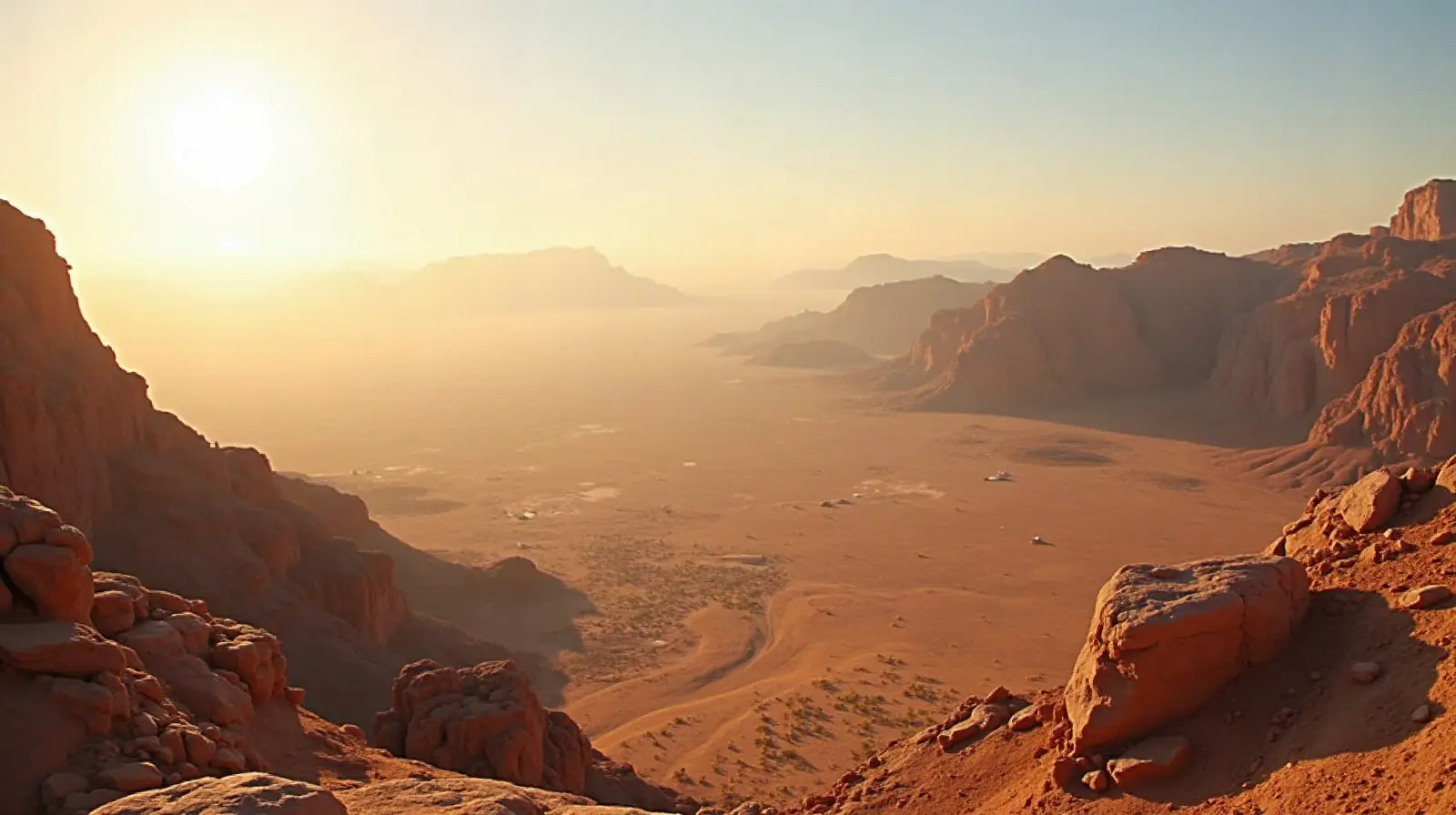
mostly arid desert plateau; a great north-south geological rift along the west of the country is the dominant topographical feature and includes the Jordan River Valley, the Dead Sea, and the Jordanian Highlands
Highest point
Jabal Umm ad Dami 1,854 m
Natural resources
phosphates, potash, shale oil
Natural hazards
droughts; periodic earthquakes; flash floods
National symbols
eagle
Driving
Speed limits & road rules in Jordan
The default speed limits in Jordan are 90 km/h in built-up areas and 120 km/h outside built-up areas. The legal alcohol limit for drivers is 0.8‰. Posted signs always take priority over these defaults.
- 9090 km/hBuilt-up areasTowns and citiesWHO data (2017)
- 120120 km/hOutside built-up areasCountry roadsWHO data (2017)
- International Driving PermitRecognised: 1949 GenevaCarry the IDP together with your national licence
- Driving sideDrive on the rightOvertake on the left
- Alcohol limit0.8‰ blood alcohol (0.08% BAC)
- Seat beltsRequired by law
- Child seatsNo national child-restraint law
- Motorcycle helmetsRequired for riders
- Road deaths (2021)13.6 per 100,000 peopleClose to the world median (12.4)
Speed limits: OpenStreetMap wiki — Default speed limits (CC BY-SA 2.0) and WHO. Road-safety laws: WHO Global Health Observatory. Compare speed limits and alcohol limits by country. Defaults for cars; local signs, weather and vehicle type can lower them.
Safety
Is Jordan safe to visit?
Travel to Jordan carries a high risk: the US State Department rates Jordan Level 3 (“Reconsider Travel”), and the UK Foreign Office advises against all travel to parts of the country.
 US State Department
 UK Foreign Office (FCDO)
Latest update: Further information about a shooting in Karak on 23 October (Warnings and insurance)
Updated 25 Oct 2026 · Full travel advice
Sources: US Department of State travel advisories (public domain) and UK FCDO foreign travel advice (contains public sector information licensed under the Open Government Licence v3.0). Checked daily. Advice can change quickly — always read the official page before you travel.
Weather
Best time to visit Jordan
The best time to visit Jordan is March to April and November, when daytime highs in Amman are around 23–27°C. July is the warmest month (38°C by day), January the coldest (6°C at night), and January the wettest with about 63 mm of rain.
- Jan17°C6°C
- Feb19°C7°C
- Mar23°C9°C
- Apr27°C12°C
- May33°C16°C
- Jun36°C19°C
- Jul38°C21°C
- Aug38°C21°C
- Sep36°C20°C
- Oct31°C18°C
- Nov25°C12°C
- Dec19°C8°C
Best time Good Less ideal
Before you go
Plugs, voltage & emergency numbers in Jordan
Plugs & sockets
- Type Btwo flat parallel pins and a round earth pin
- Type C (Europlug)two round pins
- Type Dthree large round pins in a triangle
- Type F (Schuko)two round pins with earth clips on the sides
- Type Gthree rectangular pins in a triangle
- Type Jthree round pins
230 V, 50 Hz · Standard 220–240 V: devices from the US or Japan (110–120 V) need a converter unless they are dual voltage (100–240 V).
Emergency numbers
Save the local numbers before you travel — 112 or 911 may not connect here. All countries →
Sources: Wikipedia — Mains electricity by country and List of emergency telephone numbers (CC BY-SA 4.0).
Currency · 26 October 2026
Jordanian dinar exchange rates today
Jordan uses the Jordanian dinar (JOD, د.ا). One US dollar buys 0.7090 JOD; over the last 30 days the JOD has gained 0.0% against the dollar.
What other currencies cost in JOD
Currency converter
Daily reference rates from the open-source currency-api (CC0), 26 Oct 2026. Banks and exchange offices add a margin.
World rankings
Where Jordan ranks
How Jordan compares with the rest of the world — open any card for the full ranking.
Airports
Airports in Jordan
24 airports and airfields — 3 large, 2 medium and 13 small, plus 6 heliports. 3 have scheduled passenger flights.
Borders
Neighbouring countries
Jordan borders 5 countries along 1,744 km of land borders. Coastline: 26 km.


Military
Jordanian armed forces
Jordan ranks #81 of 145 in the Global Firepower military strength ranking, with a defence budget of $2.6 billion (2025).
People
Population & society
Religion
Largest cities: Amman (2.2 million)
Economy
Economy
Main industries
tourism, information technology, clothing, fertilizer, potash, phosphate mining, pharmaceuticals, petroleum refining, cement, inorganic chemicals, light manufacturing
Export partners
USA 21%, India 13%, Saudi Arabia 11%, China 7%, Iraq 6% (2023)
Top exports
fertilizers, garments, phosphates, jewelry, phosphoric acid (2023)
Travel tools
Handy before every trip to Jordan
Next public holiday
Christmas Day — Friday, 25 December 2026. Then New Year's Day (1 Jan).

Jordanian passport
Ranked #170: 20 countries visa-free, 28 with visa on arrival, 4 with an eTA and 43 with an eVisa.
Jordanian passport photo
Exact size, head position and background for Jordan's passport and visa photos — make one free with AI checks.
Calling Jordan
Dial +962 before the local number. Internet domain .jo.
Climate footprint
23.2 million tonnes of CO₂ in 2024 — 2.01 t per person.
Entry requirements
Visa rules for every passport visiting Jordan: visa-free stays, eVisas, visas on arrival and documents to bring.
News
Latest travel news about Jordan

UAE trips: US advisory adds terror, conflict risk; check plans before you fly
The United States updated its United Arab Emirates travel advisory on 24 October 2026 to add terrorism and armed conflict risks. The alert stays at L…
Nine Dead After Gunmen Attack Funeral at Jordan Church in Karak
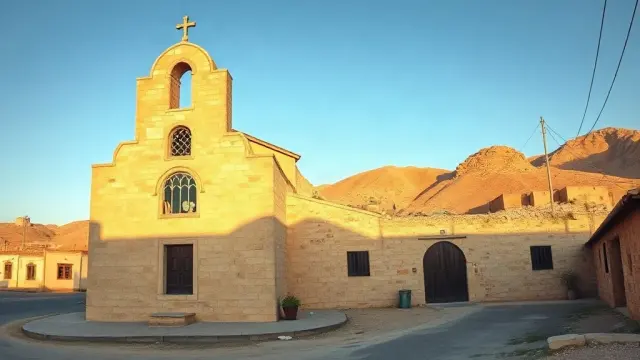
Gunmen opened fire on mourners at a Greek Orthodox church in Jordan's Karak governorate on 23 October 2026, killing nine people and wounding nearly 4…
Jordan advisory stays at Level 3 as Houthi regional threat is cited
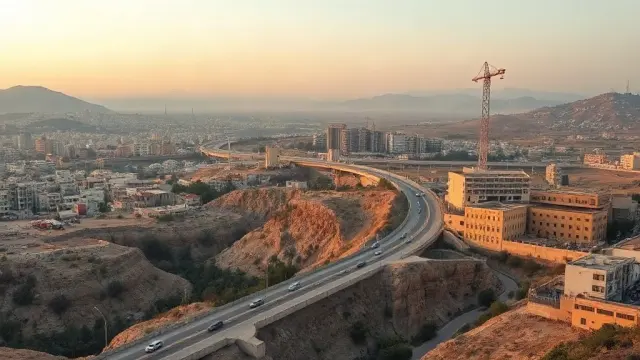
The U.S. Department of State updated Jordan's travel advisory on 23 October 2026 to reflect increased Iranian-supported Houthi aggression. The level …
Frequently asked questions about Jordan
What do I need to travel to Jordan?
How long must my passport be valid for Jordan?
Where is Jordan?
What is the capital of Jordan?
What language is spoken in Jordan?
What currency does Jordan use?
What is the calling code of Jordan?
Which countries border Jordan?
How strong is the Jordanian passport?
What is the speed limit in Jordan?
Is Jordan safe to visit?
When is the best time to visit Jordan?
What plug type does Jordan use?
How many airports does Jordan have?
Sources: CIA World Factbook (public domain); World Bank Open Data (CC BY 4.0); names, languages and currencies: mledoze/countries (ODbL); flag: flag-icons (MIT); coat of arms: Wikimedia Commons (file page); exchange rates: Daily reference rates from the open-source currency-api (CC0); airports: OurAirports.