
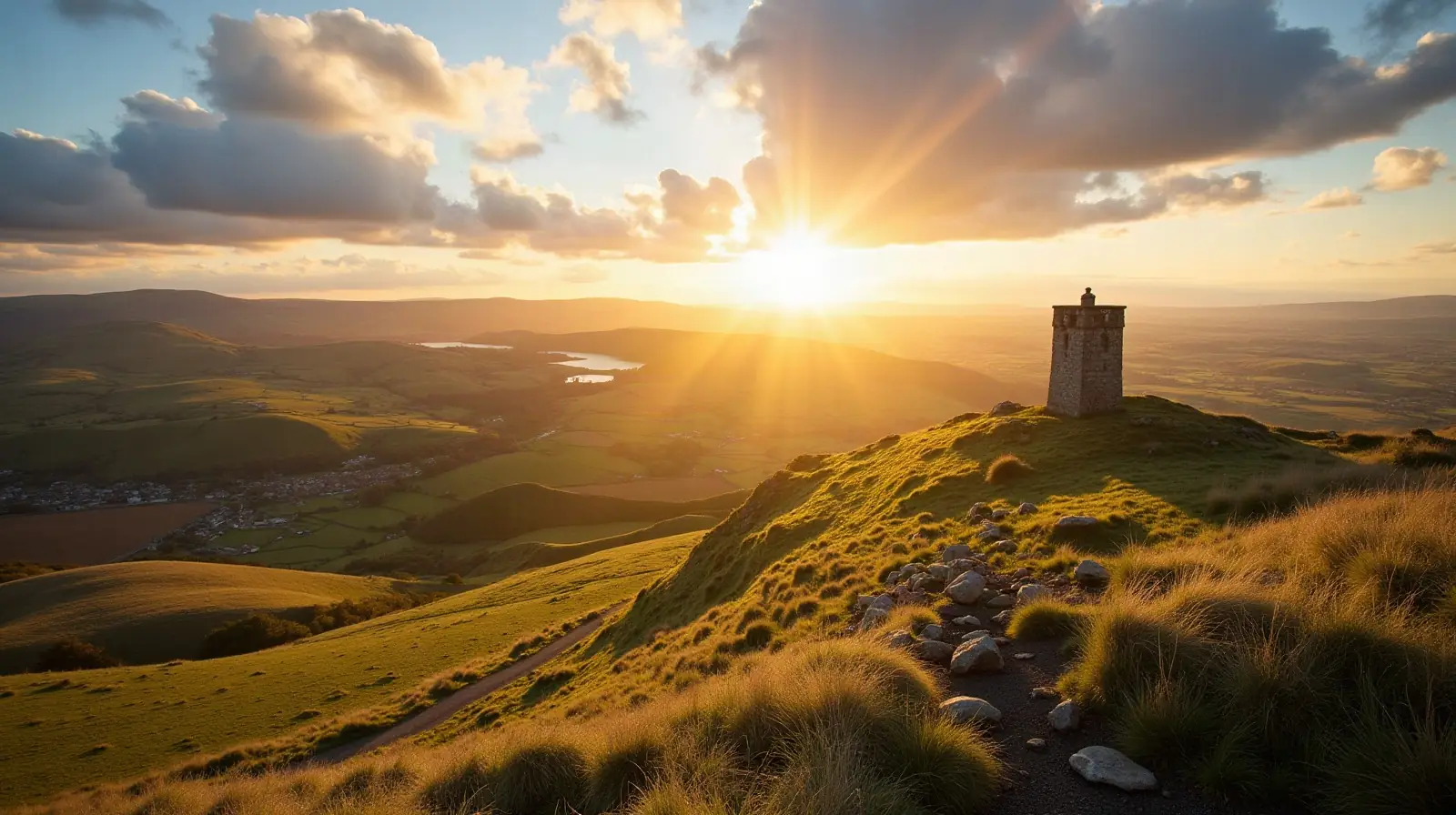
Northern Europe · UN member

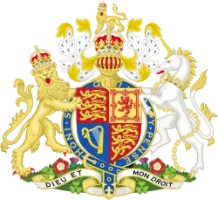
United Kingdom: Travel Guide & Requirements
United Kingdom of Great Britain and Northern Ireland
The United Kingdom is a country in Northern Europe with its capital in London. It has a population of 69.5 million (#22 in the world) and covers 243,610 km². The official language is English. The currency is the British pound (GBP, £).
Where is the United Kingdom? Map of the United Kingdom
Western Europe, islands - including the northern one-sixth of the island of Ireland - between the North Atlantic Ocean and the North Sea; northwest of France.
- Region
- Northern Europe
- Coordinates
- 54° N, 2° W
- Neighbours
- 1 — see list
- Coastline
- 12,429 km
- United Kingdom
- Neighbours
- Capital
- Largest cities
Map of the United Kingdom showing London (capital) and the largest cities: Birmingham, Glasgow, Manchester, Sheffield, Leeds, Edinburgh, Liverpool and Bristol.
Travel requirements
What you need to travel to the United Kingdom
- Passport
GOV.UK says your identity document (for example your passport or identity card) will be checked when you arrive at a UK port or airport, and that it should be valid for the whole of your stay.
- Visa or eTA
Depends on your passport: of 198 passports, 1 needs no visa, 83 need an eTA, 114 need a visa from an embassy. Check yours or see The United Kingdom entry requirements for every passport.
- Return or onward ticket
No official requirement. GOV.UK says visitors must be able to show that they will leave the UK at the end of their visit and that they can pay for their return or onward journey, or have someone else fund it.
- Proof of funds
GOV.UK says visitors must be able to show that they can support themselves and their dependants during the trip, or have funding from someone else.
- Travel insurance
No official requirement. GOV.UK’s migrant health guide says all overseas visitors will be charged 150% of the cost of NHS treatment unless they are exempt, that people who have a visitor visa and those with a visa for under 6 months need to pay…
- Customs allowance
Cash of £10,000 or more must be declared when carried between Great Britain and a country outside the UK.
- Travel advice
Some caution needed — US and UK advice.
Entry rules: TravelRequirements.info — Entry Requirements Dataset (CC BY 4.0), each rule cited to an official government source. Always confirm with the airline and the official source before you travel.
Before you go
10 things to know before you travel to the United Kingdom
- Safety: the United Kingdom is generally safe for travellers, but some caution is needed: the US State Department rates the United Kingdom Level 2 (“Exercise Increased Caution”).
- Best time to go: July to August — when daytime highs in London are around 22–23°C.
- Money: the British pound (GBP) — 1 US dollar is about 0.7473 GBP.
- Plugs: type D, G and M, 230 V, 50 Hz — standard 220–240 V: devices from the US or Japan (110–120 V) need a converter unless they are dual voltage (100–240 V).
- Emergency numbers: Police 999 / 112, Ambulance 999 / 112, Fire 999 / 112.
- Language: English is official.
- Driving: on the left — speed limits are 30 mph in built-up areas, 60 mph outside built-up areas and 70 mph on motorways.
- Time zone: UTC0 in London.
- Capital: London. About 69.5 million people live in the United Kingdom.
- Outdoors: 19 national parks and 45 ski areas.
Key facts
United Kingdom at a glance
Languages spoken: English
Geography & history
About the United Kingdom
The United Kingdom of Great Britain and Northern Ireland was created when the Kingdoms of England and Scotland -- which previously had been distinct states under a single monarchy -- were joined under the 1707 Acts of Union. The island of Ireland was incorporated under the 1800 Acts of Union, while Wales had been part of the Kingdom of England since the 16th century. The United Kingdom has historically played a leading role in developing parliamentary democracy and in advancing literature and science. The 18th and 19th centuries saw the rapid expansion of the British Empire despite the loss of the Thirteen Colonies, and at its zenith in the early 20th century, the British Empire stretched o…
Read the full history
The United Kingdom of Great Britain and Northern Ireland was created when the Kingdoms of England and Scotland -- which previously had been distinct states under a single monarchy -- were joined under the 1707 Acts of Union. The island of Ireland was incorporated under the 1800 Acts of Union, while Wales had been part of the Kingdom of England since the 16th century. The United Kingdom has historically played a leading role in developing parliamentary democracy and in advancing literature and science. The 18th and 19th centuries saw the rapid expansion of the British Empire despite the loss of the Thirteen Colonies, and at its zenith in the early 20th century, the British Empire stretched over one fourth of the earth's surface. The first half of the 20th century saw two World Wars seriously deplete the UK's strength and the Irish Republic withdraw from the union. The second half witnessed the dismantling of the Empire and the UK rebuilding itself into a modern and prosperous European nation. As one of five permanent members of the UN Security Council and a founding member of NATO and the Commonwealth of Nations, the UK pursues a global approach to foreign policy. The devolved Scottish Parliament, the National Assembly for Wales, and the Northern Ireland Assembly were established in 1998. The UK was an active member of the EU after its accession in 1973, although it chose to remain outside the Economic and Monetary Union. However, motivated in part by frustration at a remote bureaucracy in Brussels and massive migration into the country, UK citizens in 2016 voted by 52 to 48 percent to leave the EU. On 31 January 2020, the UK became the only country to depart the EU -- a move known as "Brexit" -- after prolonged negotiations on EU-UK economic and security relationships.
Location
Western Europe, islands - including the northern one-sixth of the island of Ireland - between the North Atlantic Ocean and the North Sea; northwest of France
Climate
temperate; moderated by prevailing southwest winds over the North Atlantic Current; more than one-half of the days are overcast
Terrain
mostly rugged hills and low mountains; level to rolling plains in east and southeast
Highest point
Ben Nevis 1,345 m
Natural resources
coal, petroleum, natural gas, iron ore, lead, zinc, gold, tin, limestone, salt, clay, chalk, gypsum, potash, silica sand, slate, arable land
Natural hazards
winter windstorms; floods
National symbols
lion (all of Britain); lion, Tudor rose, oak (England); lion, unicorn, thistle (Scotland); dragon, daffodil, leek (Wales); shamrock, flax (Northern Ireland)
Driving
Speed limits & road rules in the United Kingdom
The default speed limits in the United Kingdom are 30 mph in built-up areas, 60 mph outside built-up areas and 70 mph on motorways. The legal alcohol limit for drivers is 0.8‰. Posted signs always take priority over these defaults.
- 30mph30 mphBuilt-up areasTowns and citiesWith a trailer: 50 mph
- 60mph60 mphOutside built-up areasCountry roadsWith a trailer: 50 mph
- 70mph70 mphMotorwaysMotorways / freewaysWith a trailer: 60 mph
- International Driving PermitRecognised: 1968 Vienna, 1949 GenevaCarry the IDP together with your national licence
- Driving sideDrive on the leftOvertake on the right
- Alcohol limit0.8‰ blood alcohol (0.08% BAC)
- Seat beltsRequired by law
- Child seatsRequired by law
- Motorcycle helmetsRequired for riders
- Road deaths (2021)2.4 per 100,000 peopleSafer than most countries (median 12.4)
Speed limits: OpenStreetMap wiki — Default speed limits (CC BY-SA 2.0). Road-safety laws: WHO Global Health Observatory. Compare speed limits and alcohol limits by country. Defaults for cars; local signs, weather and vehicle type can lower them.
Safety
Is the United Kingdom safe to visit?
the United Kingdom is generally safe for travellers, but some caution is needed: the US State Department rates the United Kingdom Level 2 (“Exercise Increased Caution”).
 US State Department
Sources: US Department of State travel advisories (public domain) and UK FCDO foreign travel advice (contains public sector information licensed under the Open Government Licence v3.0). Checked daily. Advice can change quickly — always read the official page before you travel.
Weather
Best time to visit the United Kingdom
The best time to visit the United Kingdom is July to August, when daytime highs in London are around 22–23°C. June and September are also a good time to go. July is the warmest month (23°C by day), February the coldest (1°C at night), and November the wettest with about 74 mm of rain.
- Jan7°C2°C
- Feb7°C1°C
- Mar10°C2°C
- Apr14°C4°C
- May17°C7°C
- Jun20°C11°C
- Jul23°C13°C
- Aug22°C12°C
- Sep20°C10°C
- Oct15°C8°C
- Nov10°C4°C
- Dec7°C2°C
Best time Good Less ideal
Before you go
Plugs, voltage & emergency numbers in the United Kingdom
Plugs & sockets
- Type Dthree large round pins in a triangle
- Type Gthree rectangular pins in a triangle
- Type Mthree large round pins in a triangle
230 V, 50 Hz · Standard 220–240 V: devices from the US or Japan (110–120 V) need a converter unless they are dual voltage (100–240 V).
Sources: Wikipedia — Mains electricity by country and List of emergency telephone numbers (CC BY-SA 4.0).
Ski resorts
45 ski resorts in the United Kingdom
- 71 km of slopes
- 149 lifts
- up to 1,190 m
Biggest: Glenshee Ski Center · Nevis Range · Glencoe Mountain Resort
National parks
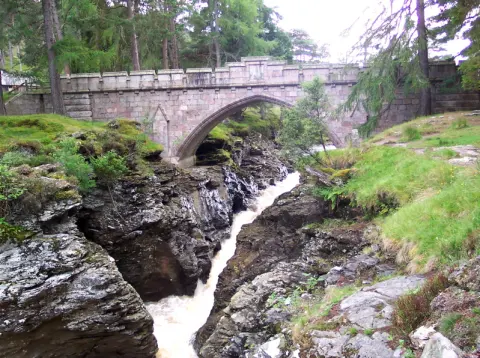
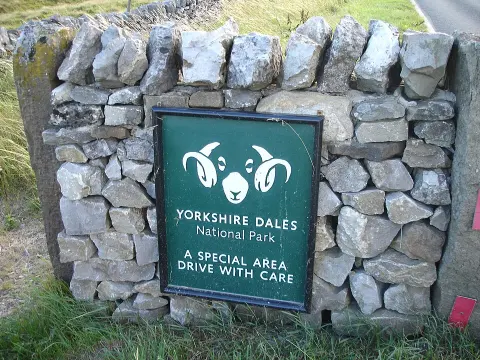
19 national parks in the United Kingdom
- 22,953 km² protected
- oldest from 1951
Largest: Cairngorms National Park · Yorkshire Dales National Park · Lake District National Park
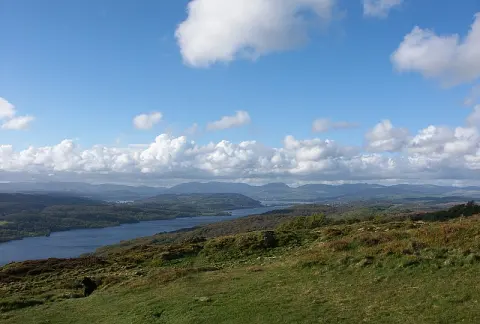
Currency · 26 October 2026
British pound exchange rates today
The United Kingdom uses the British pound (GBP, £). One US dollar buys 0.7473 GBP; over the last 30 days the GBP has gained 1.0% against the dollar.
What other currencies cost in GBP
Currency converter
Daily reference rates from the open-source currency-api (CC0), 26 Oct 2026. Banks and exchange offices add a margin.
World rankings
Where the United Kingdom ranks
How the United Kingdom compares with the rest of the world — open any card for the full ranking.
Airports
Airports in the United Kingdom
1,222 airports and airfields — 17 large, 71 medium and 966 small, plus 161 heliports. 57 have scheduled passenger flights.
Borders
Neighbouring countries
The United Kingdom borders 1 country along 499 km of land borders. Coastline: 12,429 km.

Military
British armed forces
The United Kingdom ranks #5 of 145 in the Global Firepower military strength ranking, with a defence budget of $89.0 billion (2025).
People
Population & society
Religion
Largest cities: London (9.6 million), Manchester (2.8 million), Birmingham (2.7 million), West Yorkshire (1.9 million), Glasgow (1.7 million)
Economy
Economy
Main industries
machine tools, electric power equipment, automation equipment, railroad equipment, shipbuilding, aircraft, motor vehicles and parts, electronics and communications equipment, metals, chemicals, coal, petroleum, paper an…
Export partners
USA 14%, China 8%, Germany 8%, Netherlands 7%, Ireland 7% (2023)
Top exports
cars, gold, gas turbines, packaged medicine, crude petroleum (2023)
Travel tools
Handy before every trip to the United Kingdom
Next public holiday
Christmas Day — Friday, 25 December 2026. Then St. Stephen's Day (28 Dec).

British passport
Ranked #29: 118 countries visa-free, 37 with visa on arrival, 9 with an eTA and 17 with an eVisa.
British passport photo
Exact size, head position and background for the United Kingdom's passport and visa photos — make one free with AI checks.
Calling the United Kingdom
Dial +44 before the local number. Internet domain .uk.
Climate footprint
312.9 million tonnes of CO₂ in 2024 — 4.53 t per person.
Entry requirements
Visa rules for every passport visiting the United Kingdom: visa-free stays, eVisas, visas on arrival and documents to bring.
News
Latest travel news about the United Kingdom
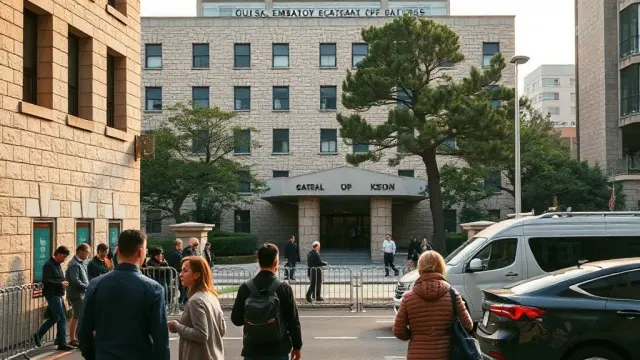
South Koreans Face the Highest U.S. Visitor Visa Refusal Rate Among Allies
One in four South Korean applications for U.S. B1/B2 visitor visas was refused in 2025, a rate of 24.73% that is higher than those of Japan, Germany,…
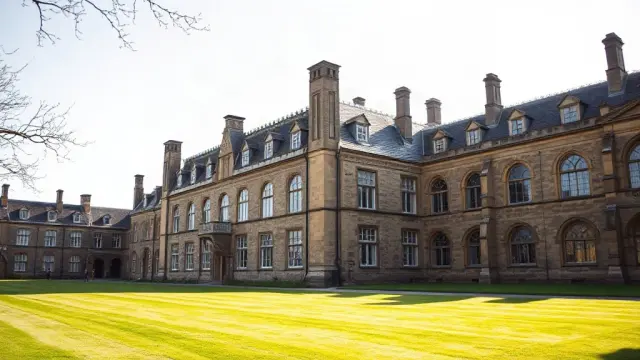
UK student visa squeeze and £925 levy planned for 2028: what applicants face
British universities say tighter UK immigration rules are cutting international student numbers, putting a £925 annual levy planned for August 2028 a…
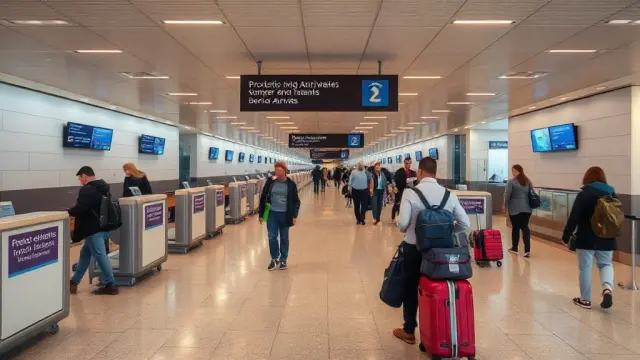
UK care worker visa rules squeeze Nigerians and Zimbabweans in the sector
Nigerian and Zimbabwean nationals received a combined 120,692 UK Health and Care Worker visa extensions in the year to March 2026, Home Office figure…
Frequently asked questions about the United Kingdom
What do I need to travel to the United Kingdom?
How long must my passport be valid for the United Kingdom?
Where is the United Kingdom?
What is the United Kingdom known for?
What is the capital of the United Kingdom?
What language is spoken in the United Kingdom?
What currency does the United Kingdom use?
What is the calling code of the United Kingdom?
Which countries border the United Kingdom?
How strong is the British passport?
What is the speed limit in the United Kingdom?
Is the United Kingdom safe to visit?
When is the best time to visit the United Kingdom?
What plug type does the United Kingdom use?
How many airports does the United Kingdom have?
Sources: CIA World Factbook (public domain); World Bank Open Data (CC BY 4.0); names, languages and currencies: mledoze/countries (ODbL); flag: flag-icons (MIT); coat of arms: Wikimedia Commons (file page); exchange rates: Daily reference rates from the open-source currency-api (CC0); airports: OurAirports.