
Eastern Africa · UN member

Zambia: Travel Guide & Requirements
Republic of Zambia
Zambia is a country in Eastern Africa with its capital in Lusaka. It has a population of 21.9 million (#61 in the world) and covers 752,618 km². The official language is English. The currency is the Zambian kwacha (ZMW, ZK).
Where is Zambia? Map of Zambia
Southern Africa, east of Angola, south of the Democratic Republic of the Congo.
- Region
- Eastern Africa
- Coordinates
- 15° S, 30° E
- Neighbours
- 8 — see list
- Coastline
- Landlocked
- Zambia
- Neighbours
- Capital
- Largest cities
Map of Zambia showing Lusaka (capital) and the largest cities: Kitwe, Ndola, Chipata, Solwezi, Kabwe, Chingola, Kasama and Livingstone.
Travel requirements
What you need to travel to Zambia
- Passport
The UK government says your passport must have an expiry date at least 6 months after the date you arrive and at least 2 blank pages for entry stamping.
- Visa or eTA
Depends on your passport: of 198 passports, 117 need no visa, 53 need an eVisa, 28 get a visa on arrival. Check yours or see Zambia entry requirements for every passport.
- Return or onward ticket
Zambia's Department of Immigration says nationals who do not require visas, like other non-citizens and non-residents arriving by air, must be in possession of valid return air tickets, and that visa-on-arrival travelle…
- Proof of funds
Zambia's Department of Immigration says non-citizens and non-residents arriving by land or water, including nationals who do not require visas, must have enough funds for their stay in and departure from Zambia.
- Travel insurance
No official requirement. The UK government says medical facilities throughout Zambia are of a lower standard than in the UK and facilities in rural areas are basic, and advises adequate travel health insurance and accessible funds for medical t…
- Vaccinations
The UK government says you must have a certificate to prove you have had a yellow fever vaccination if you are coming from a country listed as a transmission risk.
- Customs allowance
Australia's Smartraveller says to declare any Zambian kwacha and foreign currency over USD 5,000 when you arrive and depart, and that this covers all forms of currency, not only cash.
- Travel advice
Safe to visit — US and UK advice.
Entry rules: TravelRequirements.info — Entry Requirements Dataset (CC BY 4.0), each rule cited to an official government source. Always confirm with the airline and the official source before you travel.
Before you go
10 things to know before you travel to Zambia
- Safety: Yes — Zambia is generally safe to visit: the US State Department rates Zambia Level 1 (“Exercise Normal Precautions”), and the UK Foreign Office has no warnings against travel there.
- Best time to go: June to July — when daytime highs in Lusaka are around 25–26°C.
- Money: the Zambian kwacha (ZMW) — 1 US dollar is about 20.2010 ZMW.
- Plugs: type C, D and G, 230 V, 50 Hz — standard 220–240 V: devices from the US or Japan (110–120 V) need a converter unless they are dual voltage (100–240 V).
- Emergency numbers: Police 999, Ambulance 999, Fire 999.
- Language: English is official.
- Driving: on the left — speed limits are 40 km/h in built-up areas and 100 km/h outside built-up areas.
- Time zone: UTC+2 in Lusaka.
- Capital: Lusaka. About 21.9 million people live in Zambia.
- Outdoors: 20 national parks.
Key facts
Zambia at a glance
Languages spoken: Bemba 33.4%, Nyanja 14.7%, Tonga 11.4%, Lozi 5.5%, Chewa 4.5%, Nsenga 2.9%, Tumbuka 2.5%, Lunda (North Western) 1.9%, Kaonde 1.8%, Lala 1.8%, Lamba 1.8%, English (official) 1.7%, Luvale 1.5%, Mambwe 1.3%, Namwanga 1.2%, Lenje 1.1%, Bisa 1%, other 9.7%, unspecified 0.2% (2010 est.)
Geography & history
About Zambia
Bantu-speaking groups mainly from the Luba and Lunda Kingdoms in the Congo River Basin and from the Great Lakes region in East Africa settled in what is now Zambia beginning around A.D. 300, displacing and mixing with previous population groups in the region. The Mutapa Empire developed after the fall of Great Zimbabwe to the south in the 14th century and ruled the region, including large parts of Zambia, from the 14th to 17th century. The empire collapsed as a result of the growing slave trade and Portuguese incursions in the 16th and 17th centuries. The region was further influenced by migrants from the Zulu Kingdom to the south and the Luba and Lunda Kingdoms to the north, after invading…
Read the full history
Bantu-speaking groups mainly from the Luba and Lunda Kingdoms in the Congo River Basin and from the Great Lakes region in East Africa settled in what is now Zambia beginning around A.D. 300, displacing and mixing with previous population groups in the region. The Mutapa Empire developed after the fall of Great Zimbabwe to the south in the 14th century and ruled the region, including large parts of Zambia, from the 14th to 17th century. The empire collapsed as a result of the growing slave trade and Portuguese incursions in the 16th and 17th centuries. The region was further influenced by migrants from the Zulu Kingdom to the south and the Luba and Lunda Kingdoms to the north, after invading colonial and African powers displaced local residents into the area around the Zambezi River, in what is now Zambia. In the 1880s, British companies began securing mineral and other economic concessions from local leaders. The companies eventually claimed control of the region and incorporated it as the protectorate of Northern Rhodesia in 1911. The UK took over administrative control from the British South Africa Company in 1924. During the 1920s and 1930s, advances in mining spurred British economic ventures and colonial settlement. Northern Rhodesia’s name was changed to Zambia upon independence from the UK in 1964, under independence leader and first President Kenneth KAUNDA. In the 1980s and 1990s, declining copper prices, economic mismanagement, and a prolonged drought hurt the economy. Elections in 1991 brought an end to one-party rule and propelled the Movement for Multiparty Democracy (MMD) into power. The subsequent vote in 1996, however, saw increasing harassment of opposition parties and abuse of state media and other resources. Administrative problems marked the election in 2001, with three parties filing a legal petition challenging the election of ruling party candidate Levy MWANAWASA. MWANAWASA was reelected in 2006 in an election that was deemed free and fair. Upon his death in 2008, he was succeeded by his vice president, Rupiah BANDA, who won a special presidential byelection later that year. BANDA and the MMD lost to Michael SATA and the Patriotic Front (PF) in the 2011 general elections. SATA, however, presided over a period of haphazard economic management and attempted to silence opposition to PF policies. SATA died in 2014 and was succeeded by his vice president, Guy SCOTT, who served as interim president until 2015, when Edgar LUNGU won the presidential byelection and completed SATA's term. LUNGU then won a full term in the 2016 presidential elections. Hakainde HICHILEMA was elected president in 2021.
Location
Southern Africa, east of Angola, south of the Democratic Republic of the Congo
Climate
tropical; modified by altitude; rainy season (October to April)
Terrain
mostly high plateau with some hills and mountains
Highest point
Mafinga Central 2,330 m
Natural resources
copper, cobalt, zinc, lead, coal, emeralds, gold, silver, uranium, hydropower
Natural hazards
periodic drought; tropical storms (November to April)
National symbols
African fish eagle
Driving
Speed limits & road rules in Zambia
The default speed limits in Zambia are 40 km/h in built-up areas and 100 km/h outside built-up areas. Posted signs always take priority over these defaults.
- 4040 km/hBuilt-up areasTowns and cities
- 100100 km/hOutside built-up areasCountry roads
- International Driving PermitNot a party to the IDP conventionsCheck with the embassy whether your licence is accepted
- Driving sideDrive on the leftOvertake on the right
- Road deaths (2021)17.1 per 100,000 peopleHigher than most countries (median 12.4)
Speed limits: OpenStreetMap wiki — Default speed limits (CC BY-SA 2.0). Road-safety laws: WHO Global Health Observatory. Compare speed limits and alcohol limits by country. Defaults for cars; local signs, weather and vehicle type can lower them.
Safety
Is Zambia safe to visit?
Yes — Zambia is generally safe to visit: the US State Department rates Zambia Level 1 (“Exercise Normal Precautions”), and the UK Foreign Office has no warnings against travel there.
 US State Department
 UK Foreign Office (FCDO)
Latest update: New information about entry requirements for those entering from Ebola-affected regions ('Entry requirements' page).
Updated 1 Jun 2026 · Full travel advice
Sources: US Department of State travel advisories (public domain) and UK FCDO foreign travel advice (contains public sector information licensed under the Open Government Licence v3.0). Checked daily. Advice can change quickly — always read the official page before you travel.
Weather
Best time to visit Zambia
The best time to visit Zambia is June to July, when daytime highs in Lusaka are around 25–26°C. April to May and August are also a good time to go. October is the warmest month (34°C by day), July the coldest (10°C at night), and January the wettest with about 207 mm of rain.
- Jan27°C18°C
- Feb27°C18°C
- Mar27°C17°C
- Apr28°C15°C
- May27°C13°C
- Jun26°C10°C
- Jul25°C10°C
- Aug29°C12°C
- Sep32°C16°C
- Oct34°C19°C
- Nov32°C20°C
- Dec28°C19°C
Best time Good Less ideal
Before you go
Plugs, voltage & emergency numbers in Zambia
Plugs & sockets
- Type C (Europlug)two round pins
- Type Dthree large round pins in a triangle
- Type Gthree rectangular pins in a triangle
230 V, 50 Hz · Standard 220–240 V: devices from the US or Japan (110–120 V) need a converter unless they are dual voltage (100–240 V).
Emergency numbers
Save the local numbers before you travel — 112 or 911 may not connect here. All countries →
Sources: Wikipedia — Mains electricity by country and List of emergency telephone numbers (CC BY-SA 4.0).
National parks
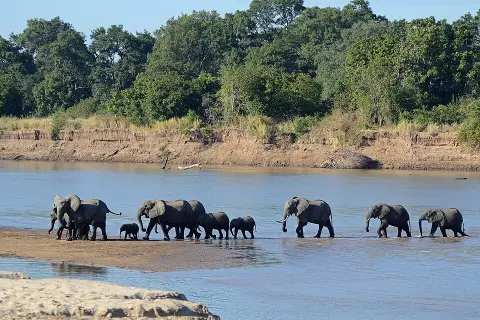
20 national parks in Zambia
- 60,221 km² protected
- oldest from 1938
Largest: Kafue National Park · South Luangwa National Park · Sioma Ngwezi National Park
Currency · 26 October 2026
Zambian kwacha exchange rates today
Zambia uses the Zambian kwacha (ZMW, ZK). One US dollar buys 20.2010 ZMW; over the last 30 days the ZMW has lost 3.5% against the dollar.
What other currencies cost in ZMW
Currency converter
Daily reference rates from the open-source currency-api (CC0), 26 Oct 2026. Banks and exchange offices add a margin.
World rankings
Where Zambia ranks
How Zambia compares with the rest of the world — open any card for the full ranking.
Airports
Airports in Zambia
127 airports and airfields — 4 large, 6 medium and 113 small, plus 4 heliports. 6 have scheduled passenger flights.
Borders
Neighbouring countries
Zambia borders 8 countries along 6,043 km of land borders. It is landlocked.


Military
Zambian armed forces
Zambia ranks #89 of 145 in the Global Firepower military strength ranking, with a defence budget of $406 million (2025).
People
Population & society
Religion
Largest cities: Lusaka (3.2 million), Kitwe (763,000)
Economy
Economy
Main industries
copper mining and processing, emerald mining, construction, foodstuffs, beverages, chemicals, textiles, fertilizer, horticulture
Export partners
Switzerland 27%, China 15%, India 13%, UAE 12%, DRC 10% (2023)
Top exports
raw copper, refined copper, gold, precious stones, electricity (2023)
Travel tools
Handy before every trip to Zambia
Next public holiday
Christmas Day — Friday, 25 December 2026. Then New Year's Day (1 Jan).
Zambian passport
Ranked #125: 39 countries visa-free, 23 with visa on arrival, 4 with an eTA and 33 with an eVisa.
Zambian passport photo
Exact size, head position and background for Zambia's passport and visa photos — make one free with AI checks.
Calling Zambia
Dial +260 before the local number. Internet domain .zm.
Climate footprint
12.0 million tonnes of CO₂ in 2024 — 0.57 t per person.
Entry requirements
Visa rules for every passport visiting Zambia: visa-free stays, eVisas, visas on arrival and documents to bring.
News
Latest travel news about Zambia
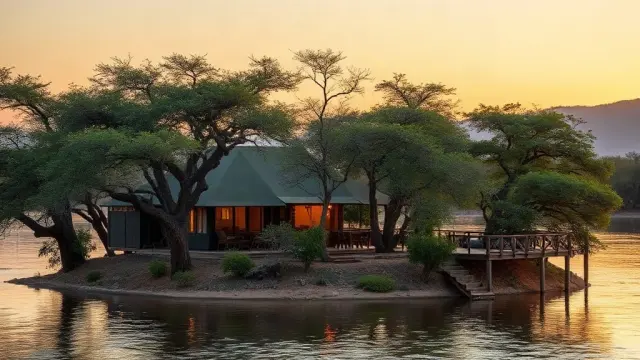
Travellers to Zambia's Lower Zambezi gain a four-tent camp open May–15 Nov
Robin Pope Safaris has opened Kujana Camp in Zambia's Lower Zambezi National Park, its first property in the region. The four-tent camp sleeps up to …
US visa suspensions for Zambians: what travellers must check before booking
Zambia's Ministry of Foreign Affairs and International Cooperation is urging citizens to verify US visa requirements with the US Embassy in Lusaka, a…
Travel Restrictions Impact Zambian Players Due to Ebola in Uganda
Zambian players are facing travel restrictions that will prevent them from participating in several National Women's Soccer League games due to an Eb…
Frequently asked questions about Zambia
What do I need to travel to Zambia?
How long must my passport be valid for Zambia?
Where is Zambia?
What is Zambia known for?
What is the capital of Zambia?
What language is spoken in Zambia?
What currency does Zambia use?
What is the calling code of Zambia?
Which countries border Zambia?
How strong is the Zambian passport?
What is the speed limit in Zambia?
Is Zambia safe to visit?
When is the best time to visit Zambia?
What plug type does Zambia use?
How many airports does Zambia have?
Sources: CIA World Factbook (public domain); World Bank Open Data (CC BY 4.0); names, languages and currencies: mledoze/countries (ODbL); flag: flag-icons (MIT); coat of arms: Wikimedia Commons (file page); exchange rates: Daily reference rates from the open-source currency-api (CC0); airports: OurAirports.