

South-Eastern Asia · UN member

Indonesia: Travel Guide & Requirements
Republic of Indonesia
Indonesia is a country in South-Eastern Asia with its capital in Jakarta. It has a population of 285.7 million (#4 in the world) and covers 1,904,569 km². The official language is Indonesian. The currency is the Indonesian rupiah (IDR, Rp).
Where is Indonesia? Map of Indonesia
Southeastern Asia, archipelago between the Indian Ocean and the Pacific Ocean.
- Region
- South-Eastern Asia
- Coordinates
- 5° S, 120° E
- Neighbours
- 3 — see list
- Coastline
- 54,716 km
- Indonesia
- Neighbours
- Capital
- Largest cities
Map of Indonesia showing Jakarta (capital) and the largest cities: Surabaya, Bandung, Medan, Palembang, Semarang, Makassar, Batam and Jepara.
Travel requirements
What you need to travel to Indonesia
- Passport
The UK government says your passport must have an expiry date at least 6 months after the date you arrive and at least 2 blank pages.
- Visa or eTA
Depends on your passport: of 198 passports, 19 need no visa, 94 need an eVisa, 79 get a visa on arrival, 6 need a visa from an embassy. Check yours or see Indonesia entry requirements for every passport.
- Return or onward ticket
Indonesia's Directorate General of Immigration lists a return ticket or a ticket to continue to another country among the requirements for a visa on arrival and for a visa-free visit.
- Proof of funds
Applicants for the C1 visitor visa must provide proof of living expenses in Indonesia: a bank statement in the foreigner's or sponsor's name for the last 3 months of at least USD 2,000 or the equivalent.
- Travel insurance
No official requirement. Canada's travel advice tells travellers to get insurance that covers medical evacuation and hospital stays.
- Vaccinations
WHO says Indonesia requires proof of yellow fever vaccination from travellers aged 9 months or over arriving from countries with risk of yellow fever transmission.
- Arrival card
The immigration e-Visa portal states that all travellers are required to submit an arrival card within 3 days before arriving in Indonesia.
- Customs allowance
Indonesian Customs says money and/or other payment instruments such as cheques, traveller's cheques, promissory notes or bilyet giro, in rupiah or foreign currency, worth IDR 100,000,000 or more must be reported to cust…
- Travel advice
Some caution needed — US and UK advice.
Entry rules: TravelRequirements.info — Entry Requirements Dataset (CC BY 4.0), each rule cited to an official government source. Always confirm with the airline and the official source before you travel.
Before you go
10 things to know before you travel to Indonesia
- Safety: Indonesia is generally safe for travellers, but some caution is needed: the US State Department rates Indonesia Level 2 (“Exercise Increased Caution”), and the UK Foreign Office has no warnings against travel there.
- Best time to go: June to September — when daytime highs in Jakarta are around 29–30°C.
- Money: the Indonesian rupiah (IDR) — 1 US dollar is about 18,123.0 IDR.
- Plugs: type C and F, 230 V, 50 Hz — standard 220–240 V: devices from the US or Japan (110–120 V) need a converter unless they are dual voltage (100–240 V).
- Emergency numbers: Police 112, Ambulance 112, Fire 112.
- Language: Indonesian is official; English is also spoken.
- Driving: on the left — speed limits are 50 km/h in built-up areas, 80 km/h outside built-up areas and 100 km/h on motorways.
- Time zone: UTC+7 in Jakarta.
- Capital: Jakarta. About 285.7 million people live in Indonesia.
- Indonesia is the 15th largest country in the world by area.
Key facts
Indonesia at a glance
Languages spoken: Bahasa Indonesia (official, modified form of Malay), English, Dutch, local dialects (of which the most widely spoken is Javanese); note - more than 700 languages are used in Indonesia
Geography & history
About Indonesia
The archipelago was once largely under the control of Buddhist and Hindu rulers. By around the 7th century, a Buddhist kingdom arose on Sumatra and expanded into Java and the Malay Peninsula until it was conquered in the late 13th century by the Hindu Majapahit Empire from Java. Majapahit (1290-1527) united most of modern-day Indonesia and Malaysia. Traders introduced Islam around the 11th century, and the religion gradually expanded over the next 500 years. The Portuguese conquered parts of Indonesia in the 16th century, but the Dutch ousted them (except in East Timor) and began colonizing the islands in the early 17th century. It would be the early 20th century before Dutch colonial rule …
Read the full history
The archipelago was once largely under the control of Buddhist and Hindu rulers. By around the 7th century, a Buddhist kingdom arose on Sumatra and expanded into Java and the Malay Peninsula until it was conquered in the late 13th century by the Hindu Majapahit Empire from Java. Majapahit (1290-1527) united most of modern-day Indonesia and Malaysia. Traders introduced Islam around the 11th century, and the religion gradually expanded over the next 500 years. The Portuguese conquered parts of Indonesia in the 16th century, but the Dutch ousted them (except in East Timor) and began colonizing the islands in the early 17th century. It would be the early 20th century before Dutch colonial rule was established across the entirety of what would become the boundaries of the modern Indonesian state. Japan occupied the islands from 1942 to 1945. Indonesia declared its independence shortly before Japan's surrender, but it required four years of sometimes brutal fighting, intermittent negotiations, and UN mediation before the Netherlands agreed to transfer sovereignty in 1949. A period of sometimes unruly parliamentary democracy ended in 1957 when President SOEKARNO declared martial law and instituted "Guided Democracy." After an abortive coup in 1965 by alleged communist sympathizers, SOEKARNO was gradually eased from power. From 1967 until 1998, President SUHARTO ruled Indonesia with his "New Order" government. After street protests toppled SUHARTO in 1998, free and fair legislative elections took place in 1999 while the country's first direct presidential election occurred in 2004. Indonesia has since become a robust democracy, holding four direct presidential elections, each considered by international observers to have been largely free and fair. Indonesia is now the world's third-most-populous democracy and the world's largest Muslim-majority nation. It has had strong economic growth since overcoming the Asian financial crisis of the late 1990s. By the 2020s, it had the largest economy in Southeast Asia, and its economy ranked in the world's top 10 in terms of purchasing power parity. It has also made considerable gains in reducing poverty. Although relations amongst its diverse population--there are more than 300 ethnic groups--have been harmonious in the 2000s, there have been areas of sectarian discontent and violence, as well as instances of religious extremism and terrorism. A political settlement to an armed separatist conflict in Aceh was achieved in 2005, but a separatist group in Papua continued to conduct a low-intensity conflict as of 2024.
Location
Southeastern Asia, archipelago between the Indian Ocean and the Pacific Ocean
Climate
tropical; hot, humid; more moderate in highlands
Terrain
mostly coastal lowlands; larger islands have interior mountains
Highest point
Puncak Jaya 4,884 m
Natural resources
petroleum, tin, natural gas, nickel, timber, bauxite, copper, fertile soils, coal, gold, silver
Natural hazards
occasional floods; severe droughts; tsunamis; earthquakes; volcanoes; forest fires volcanism: Indonesia contains the most volcanoes of any country in the world, with over 75 historically active; significant volcanic activity occurs on Java, Sumatra, the Sunda…
National symbols
garuda (mythical bird)
Driving
Speed limits & road rules in Indonesia
The default speed limits in Indonesia are 50 km/h in built-up areas, 80 km/h outside built-up areas and 100 km/h on motorways. Posted signs always take priority over these defaults.
- 3030 km/hResidential zonesLiving streets & residential areas
- 5050 km/hBuilt-up areasTowns and cities
- 8080 km/hOutside built-up areasCountry roads
- 100100 km/hMotorwaysMotorways / freeways
- International Driving PermitRecognised: 1968 ViennaCarry the IDP together with your national licence
- Driving sideDrive on the leftOvertake on the right
- Seat beltsRequired by law
- Child seatsNo national child-restraint law
- Motorcycle helmetsRequired for riders
- Road deaths (2021)11.3 per 100,000 peopleClose to the world median (12.4)
Speed limits: OpenStreetMap wiki — Default speed limits (CC BY-SA 2.0). Road-safety laws: WHO Global Health Observatory. Compare speed limits and alcohol limits by country. Defaults for cars; local signs, weather and vehicle type can lower them.
Safety
Is Indonesia safe to visit?
Indonesia is generally safe for travellers, but some caution is needed: the US State Department rates Indonesia Level 2 (“Exercise Increased Caution”), and the UK Foreign Office has no warnings against travel there.
 US State Department
 UK Foreign Office (FCDO)
Latest update: FCDO no longer advises against all travel to volcanoes in Indonesia and will no longer advise against all travel in the event of future volcanic eruptions. FCDO have added new information about volcanoes in Indonesia, including information from the local authorities who enforce exclusion zones on a
Updated 18 Sep 2026 · Full travel advice
Sources: US Department of State travel advisories (public domain) and UK FCDO foreign travel advice (contains public sector information licensed under the Open Government Licence v3.0). Checked daily. Advice can change quickly — always read the official page before you travel.
Weather
Best time to visit Indonesia
The best time to visit Indonesia is June to September, when daytime highs in Jakarta are around 29–30°C. May and October are also a good time to go. October is the warmest month (31°C by day), August the coldest (24°C at night), and February the wettest with about 386 mm of rain.
- Jan29°C25°C
- Feb28°C25°C
- Mar29°C26°C
- Apr29°C26°C
- May30°C26°C
- Jun29°C25°C
- Jul29°C25°C
- Aug29°C24°C
- Sep30°C25°C
- Oct31°C26°C
- Nov30°C26°C
- Dec29°C25°C
Best time Good Less ideal
Before you go
Plugs, voltage & emergency numbers in Indonesia
Plugs & sockets
230 V, 50 Hz · Standard 220–240 V: devices from the US or Japan (110–120 V) need a converter unless they are dual voltage (100–240 V).
Emergency numbers
112 works from any mobile phone, even without a SIM card in most networks. All countries →
Sources: Wikipedia — Mains electricity by country and List of emergency telephone numbers (CC BY-SA 4.0).
National parks
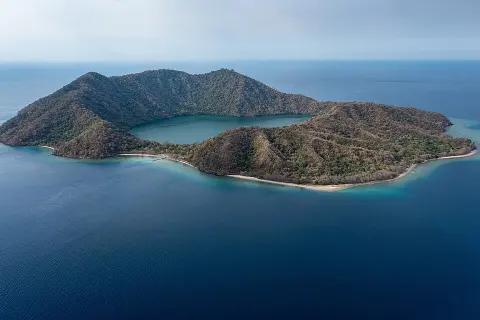
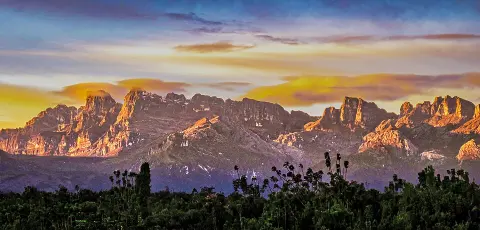
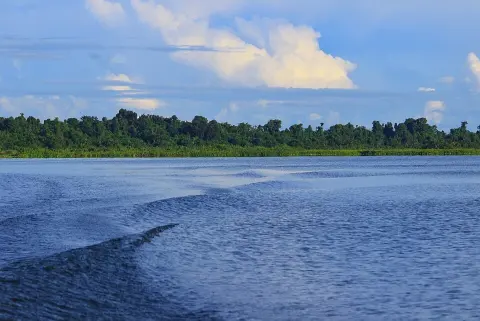
59 national parks in Indonesia
- 223,784 km² protected
- oldest from 1931
Largest: Moyo Satonda National Park · Lorentz National Park · Mamberamo Foja National Park
Currency · 26 October 2026
Indonesian rupiah exchange rates today
Indonesia uses the Indonesian rupiah (IDR, Rp). One US dollar buys 18,123.0 IDR; over the last 30 days the IDR has lost 1.2% against the dollar.
What other currencies cost in IDR
Currency converter
Daily reference rates from the open-source currency-api (CC0), 26 Oct 2026. Banks and exchange offices add a margin.
World rankings
Where Indonesia ranks
How Indonesia compares with the rest of the world — open any card for the full ranking.
Airports
Airports in Indonesia
686 airports and airfields — 19 large, 64 medium and 541 small, plus 62 heliports. 154 have scheduled passenger flights.
Borders
Neighbouring countries
Indonesia borders 3 countries along 2,958 km of land borders. Coastline: 54,716 km.


Military
Indonesian armed forces
Indonesia ranks #13 of 145 in the Global Firepower military strength ranking, with a defence budget of $15.0 billion (2025).
People
Population & society
Religion
Largest cities: Jakarta (11.2 million), Bekasi (3.7 million), Surabaya (3.0 million), Depok (3.0 million), Bandung (2.7 million)
Economy
Economy
Main industries
petroleum and natural gas, textiles, automotive, electrical appliances, apparel, footwear, mining, cement, medical instruments and appliances, handicrafts, chemical fertilizers, plywood, rubber, processed food, jewelry,…
Export partners
China 24%, USA 9%, India 8%, Japan 8%, Singapore 5% (2023)
Top exports
coal, palm oil, iron alloys, lignite, garments (2023)
Travel tools
Handy before every trip to Indonesia
Next public holiday
Christmas Day — Friday, 25 December 2026. Then New Year's Day (1 Jan).

Indonesian passport
Ranked #111: 45 countries visa-free, 31 with visa on arrival, 5 with an eTA and 34 with an eVisa.
Indonesian passport photo
Exact size, head position and background for Indonesia's passport and visa photos — make one free with AI checks.
Calling Indonesia
Dial +62 before the local number. Internet domain .id.
Climate footprint
812.2 million tonnes of CO₂ in 2024 — 2.87 t per person.
Entry requirements
Visa rules for every passport visiting Indonesia: visa-free stays, eVisas, visas on arrival and documents to bring.
News
Latest travel news about Indonesia
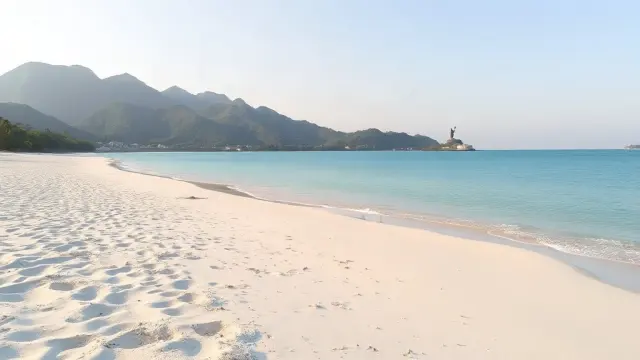
Dili, Timor-Leste: Visa on Arrival Rules and Flights Travellers Should Know
Timor-Leste receives fewer than 100,000 visitors a year and is now positioning itself as a sustainable tourism destination. Most international travel…
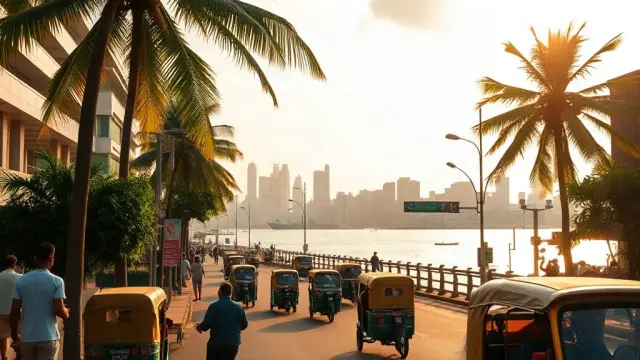
Sri Lanka Detains 1,000 Foreign Scam Suspects and Charges Visa Breaches
Sri Lankan police have detained more than 1,000 foreign suspects in cyber-scam raids this year but secured no successful prosecution. Most detainees …
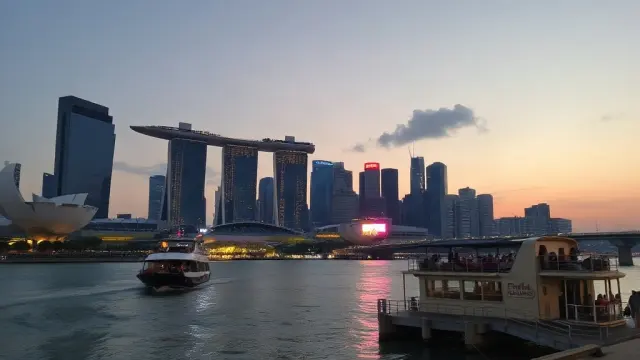
Singapore joins Visa Destinations in November with cardholder perks
Visa and the Singapore Tourism Board have signed a three-year agreement that brings the Visa Destinations travel programme to Singapore in November. …
Frequently asked questions about Indonesia
What do I need to travel to Indonesia?
How long must my passport be valid for Indonesia?
Where is Indonesia?
What is Indonesia known for?
What is the capital of Indonesia?
What language is spoken in Indonesia?
What currency does Indonesia use?
What is the calling code of Indonesia?
Which countries border Indonesia?
How strong is the Indonesian passport?
What is the speed limit in Indonesia?
Is Indonesia safe to visit?
When is the best time to visit Indonesia?
What plug type does Indonesia use?
How many airports does Indonesia have?
Sources: CIA World Factbook (public domain); World Bank Open Data (CC BY 4.0); names, languages and currencies: mledoze/countries (ODbL); flag: flag-icons (MIT); coat of arms: Wikimedia Commons (file page); exchange rates: Daily reference rates from the open-source currency-api (CC0); airports: OurAirports.