
South America · UN member

Brazil: Travel Guide & Requirements
Federative Republic of Brazil · República Federativa do Brasil
Brazil is a country in South America with its capital in Brasília. It has a population of 212.8 million (#7 in the world) and covers 8,515,770 km². The official language is Portuguese. The currency is the Brazilian real (BRL, R$).
Where is Brazil? Map of Brazil
Eastern South America, bordering the Atlantic Ocean.
- Region
- South America
- Coordinates
- 10° S, 55° W
- Neighbours
- 9 — see list
- Coastline
- 7,491 km
- Brazil
- Neighbours
- Capital
- Largest cities
Map of Brazil showing Brasília (capital) and the largest cities: São Paulo, Rio de Janeiro, Belo Horizonte, Salvador, Fortaleza, Manaus, Curitiba and Recife.
Travel requirements
What you need to travel to Brazil
- Passport
The eVisa portal's document list says your passport must be valid for at least 1 month before arrival.
- Visa or eTA
Depends on your passport: of 198 passports, 102 need no visa, 3 need an eVisa, 93 need a visa from an embassy. Check yours or see Brazil entry requirements for every passport.
- Return or onward ticket
No official requirement. Canada's travel advice lists a return or onward ticket among the things customs officials may ask to see.
- Proof of funds
No official requirement. Canada's travel advice lists proof of sufficient funds to cover your stay among the things customs officials may ask to see, and the Consulate-General of Brazil in Miami asks its visa applicants for proof of income.
- Travel insurance
No official requirement.
- Vaccinations
Not an entry requirement: Brazil's Ministry of Health says there is no obligation to show proof of vaccination to enter the country.
- Customs allowance
Brazil's Receita Federal says every traveller entering Brazil with more than US$ 10,000 or the equivalent in another currency must fill in the Electronic Traveller's Goods Declaration (e-DBV) and present it to customs.
- Travel advice
Some caution needed — US and UK advice.
Entry rules: TravelRequirements.info — Entry Requirements Dataset (CC BY 4.0), each rule cited to an official government source. Always confirm with the airline and the official source before you travel.
Before you go
10 things to know before you travel to Brazil
- Safety: Brazil is generally safe for travellers, but some caution is needed: the US State Department rates Brazil Level 2 (“Exercise Increased Caution”), and the UK Foreign Office advises against all but essential travel to parts of the country.
- Best time to go: May to July — when daytime highs in Brasília are around 26–28°C.
- Money: the Brazilian real (BRL) — 1 US dollar is about 4.9776 BRL.
- Plugs: type C and N, 127 V / 220 V, 60 Hz — mixed voltage: check the socket before you plug in. Dual-voltage chargers (100–240 V) work everywhere.
- Emergency numbers: Police 190, Ambulance 192, Fire 193.
- Language: Portuguese is official; English is also spoken.
- Driving: on the right — speed limits are 80 km/h in built-up areas and 100 km/h outside built-up areas.
- Time zone: UTC-3 in Brasília.
- Capital: Brasília; the largest city is São Paulo. About 212.8 million people live in Brazil.
- Brazil is the 5th largest country in the world by area.
Key facts
Brazil at a glance
Languages spoken: Portuguese (official and most widely spoken language); less common languages include Spanish (border areas and schools), German, Italian, Japanese, English, and many minor Amerindian languages
Geography & history
About Brazil
After more than three centuries under Portuguese rule, Brazil gained its independence in 1822, maintaining a monarchical system of government until the abolition of slavery in 1888 and the subsequent proclamation of a republic by the military in 1889. Brazilian coffee exporters politically dominated the country until populist leader Getúlio VARGAS rose to power in 1930. VARGAS governed through various versions of democratic and authoritarian regimes from 1930 to 1945. Democratic rule returned in 1945 -- including a democratically elected VARGAS administration from 1951 to 1954 -- and lasted until 1964, when the military overthrew President João GOULART. The military regime censored journali…
Read the full history
After more than three centuries under Portuguese rule, Brazil gained its independence in 1822, maintaining a monarchical system of government until the abolition of slavery in 1888 and the subsequent proclamation of a republic by the military in 1889. Brazilian coffee exporters politically dominated the country until populist leader Getúlio VARGAS rose to power in 1930. VARGAS governed through various versions of democratic and authoritarian regimes from 1930 to 1945. Democratic rule returned in 1945 -- including a democratically elected VARGAS administration from 1951 to 1954 -- and lasted until 1964, when the military overthrew President João GOULART. The military regime censored journalists and repressed and tortured dissidents in the late 1960s and early 1970s. The dictatorship lasted until 1985, when the military regime peacefully ceded power to civilian rulers, and the Brazilian Congress passed its current constitution in 1988. By far the largest and most populous country in South America, Brazil continues to pursue industrial and agricultural growth and development of its interior. Having successfully weathered a period of global financial difficulty in the late 20th century, Brazil was soon seen as one of the world's strongest emerging markets and a contributor to global growth under President Luiz Inácio LULA da Silva (2003-2010). The awarding of the 2014 FIFA World Cup and 2016 Summer Olympic Games -- the first ever to be held in South America -- to Brazil was symbolic of the country's rise. However, from about 2013 to 2016, Brazil was plagued by a sagging economy, high unemployment, and high inflation, only emerging from recession in 2017. Congress removed then-President Dilma ROUSSEFF (2011-2016) from office in 2016 for having committed impeachable acts against Brazil's budgetary laws, and her vice president, Michel TEMER, served the remainder of her second term. A money-laundering investigation, Operation Lava Jato, uncovered a vast corruption scheme and prosecutors charged several high-profile Brazilian politicians with crimes. Former President LULA was convicted of accepting bribes and served jail time (2018-19), although his conviction was overturned in 2021. LULA's revival became complete in 2022 when he narrowly defeated incumbent Jair BOLSONARO (2019-2022) in the presidential election. Positioning Brazil as an independent global leader on climate change and promoting sustainable development, LULA took on the 2024 G20 presidency, balancing the fight against deforestation with sustainable energy and other projects designed to alleviate poverty and promote economic growth, such as expanding fossil fuel exploration.
Location
Eastern South America, bordering the Atlantic Ocean
Climate
mostly tropical, but temperate in south
Terrain
mostly flat to rolling lowlands in north; some plains, hills, mountains, and narrow coastal belt
Highest point
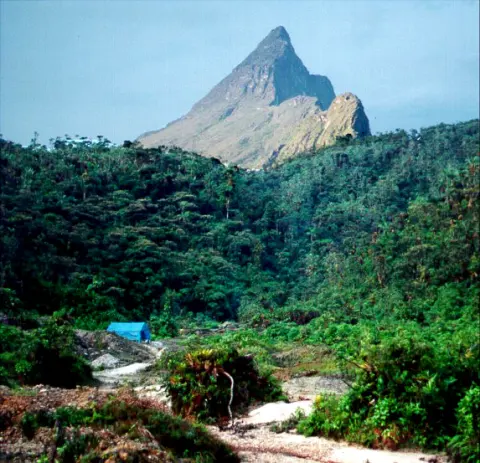
Pico da Neblina 2,994 m
Natural resources
alumina, bauxite, beryllium, gold, iron ore, manganese, nickel, niobium, phosphates, platinum, tantalum, tin, rare earth elements, uranium, petroleum, hydropower, timber
Natural hazards
recurring droughts in northeast; floods and occasional frost in south
National symbols
Southern Cross constellation
Driving
Speed limits & road rules in Brazil
The default speed limits in Brazil are 80 km/h in built-up areas and 100 km/h outside built-up areas. The legal alcohol limit for drivers is zero. Posted signs always take priority over these defaults.
- 8080 km/hBuilt-up areasTowns and citiesWHO data (2017)
- 100100 km/hOutside built-up areasCountry roads
- International Driving PermitRecognised: 1968 ViennaCarry the IDP together with your national licence
- Driving sideDrive on the rightOvertake on the left
- Alcohol limitZero tolerance (0.0‰)
- Seat beltsRequired by law
- Child seatsRequired by law
- Motorcycle helmetsRequired for riders
- Road deaths (2021)15.7 per 100,000 peopleHigher than most countries (median 12.4)
Speed limits: OpenStreetMap wiki — Default speed limits (CC BY-SA 2.0) and WHO. Road-safety laws: WHO Global Health Observatory. Compare speed limits and alcohol limits by country. Defaults for cars; local signs, weather and vehicle type can lower them.
Safety
Is Brazil safe to visit?
Brazil is generally safe for travellers, but some caution is needed: the US State Department rates Brazil Level 2 (“Exercise Increased Caution”), and the UK Foreign Office advises against all but essential travel to parts of the country.
 US State Department
 UK Foreign Office (FCDO)
Latest update: New information about elections taking place on 4 October, and political events ('Warnings and insurance' and 'Safety and security' pages).
Updated 29 Sep 2026 · Full travel advice
Sources: US Department of State travel advisories (public domain) and UK FCDO foreign travel advice (contains public sector information licensed under the Open Government Licence v3.0). Checked daily. Advice can change quickly — always read the official page before you travel.
Weather
Best time to visit Brazil
The best time to visit Brazil is May to July, when daytime highs in Brasília are around 26–28°C. April and August are also a good time to go. September is the warmest month (32°C by day), July the coldest (13°C at night), and December the wettest with about 221 mm of rain.
- Jan27°C18°C
- Feb27°C18°C
- Mar26°C18°C
- Apr26°C17°C
- May26°C14°C
- Jun27°C13°C
- Jul28°C13°C
- Aug30°C15°C
- Sep32°C18°C
- Oct32°C19°C
- Nov28°C18°C
- Dec27°C18°C
Best time Good Less ideal
Before you go
Plugs, voltage & emergency numbers in Brazil
Plugs & sockets
127 V / 220 V, 60 Hz · Mixed voltage: check the socket before you plug in. Dual-voltage chargers (100–240 V) work everywhere.
Emergency numbers
Save the local numbers before you travel — 112 or 911 may not connect here. All countries →
Sources: Wikipedia — Mains electricity by country and List of emergency telephone numbers (CC BY-SA 4.0).
Ski resorts
2 ski resorts in Brazil
- 1 lifts
- up to 1,016 m
Biggest: São Roque (Ski Mountain Park) · Gramado Snowland (Serra Gaúcha)
National parks
87 national parks in Brazil
- 280,463 km² protected
- oldest from 1937
Largest: Tumucumaque National Park · Jaú National Park · Pico da Neblina National Park
Currency · 26 October 2026
Brazilian real exchange rates today
Brazil uses the Brazilian real (BRL, R$). One US dollar buys 4.9776 BRL; over the last 30 days the BRL has gained 4.2% against the dollar.
What other currencies cost in BRL
Currency converter
Daily reference rates from the open-source currency-api (CC0), 26 Oct 2026. Banks and exchange offices add a margin.
World rankings
Where Brazil ranks
How Brazil compares with the rest of the world — open any card for the full ranking.
Airports
Airports in Brazil
7,765 airports and airfields — 28 large, 110 medium and 5584 small, plus 2043 heliports. 138 have scheduled passenger flights.


Military
Brazilian armed forces
Brazil ranks #12 of 145 in the Global Firepower military strength ranking, with a defence budget of $23.9 billion (2025).
People
Population & society
Religion
Largest cities: São Paulo (22.6 million), Rio de Janeiro (13.7 million), Belo Horizonte (6.2 million), Brasília (4.9 million), Recife (4.3 million)
Economy
Economy
Main industries
textiles, shoes, chemicals, cement, lumber, iron ore, tin, steel, aircraft, motor vehicles and parts, other machinery and equipment
Export partners
China 30%, USA 10%, Argentina 5%, Netherlands 3%, Chile 2% (2023)
Top exports
soybeans, crude petroleum, iron ore, raw sugar, corn (2023)
Travel tools
Handy before every trip to Brazil
Next public holiday
All Souls' Day — Monday, 2 November 2026. Then Republic Proclamation Day (15 Nov).
Brazilian passport
Ranked #42: 112 countries visa-free, 35 with visa on arrival, 6 with an eTA and 23 with an eVisa.
Brazilian passport photo
Exact size, head position and background for Brazil's passport and visa photos — make one free with AI checks.
Calling Brazil
Dial +55 before the local number. Internet domain .br.
Climate footprint
483.0 million tonnes of CO₂ in 2024 — 2.28 t per person.
Entry requirements
Visa rules for every passport visiting Brazil: visa-free stays, eVisas, visas on arrival and documents to bring.
News
Latest travel news about Brazil
Filings say Canada did not respond before ICE sent Afghan woman to Africa
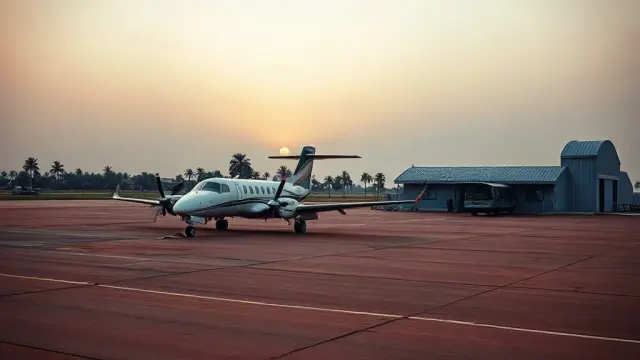
An Afghan woman travelling to Toronto was detained by U.S. ICE and deported to the Central African Republic in June 2026. Legal filings say U.S. auth…
Travellers eyeing Argentine passport: USD 350,000 route planned, details pending
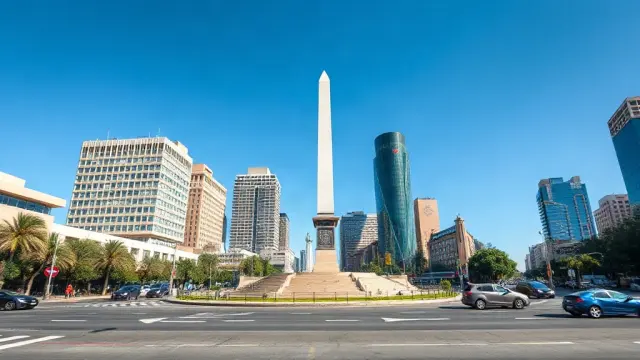
Argentina has announced plans for a citizenship by investment programme offering a route to an Argentine passport through a USD 350,000 contribution …
Iguazú Falls catwalks shut as floods push water flow to near-record levels
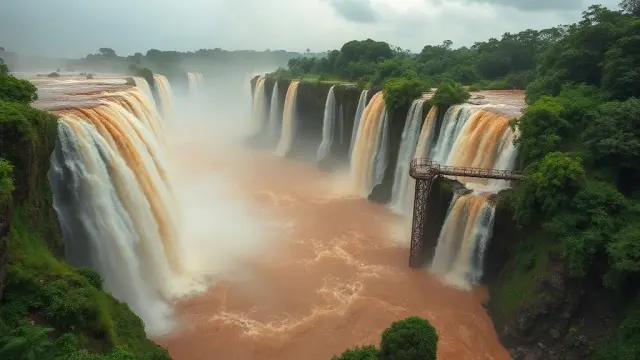
Heavy October rains linked to Super El Niño have pushed Iguazú Falls, on the Brazil-Argentina border, to near-record water volumes. Officials have cl…
Frequently asked questions about Brazil
What do I need to travel to Brazil?
How long must my passport be valid for Brazil?
Where is Brazil?
What is Brazil known for?
What is the capital of Brazil?
What language is spoken in Brazil?
What currency does Brazil use?
What is the calling code of Brazil?
Which countries border Brazil?
How strong is the Brazilian passport?
What is the speed limit in Brazil?
Is Brazil safe to visit?
When is the best time to visit Brazil?
What plug type does Brazil use?
How many airports does Brazil have?
Sources: CIA World Factbook (public domain); World Bank Open Data (CC BY 4.0); names, languages and currencies: mledoze/countries (ODbL); flag: flag-icons (MIT); coat of arms: Wikimedia Commons (file page); exchange rates: Daily reference rates from the open-source currency-api (CC0); airports: OurAirports.