
Western Africa · UN member

Mauritania: Travel Guide & Requirements
Islamic Republic of Mauritania · الجمهورية الإسلامية الموريتانية
Mauritania is a country in Western Africa with its capital in Nouakchott. It has a population of 5.3 million (#125 in the world) and covers 1,030,700 km². The official language is Arabic. The currency is the Mauritanian ouguiya (MRU, UM).
Where is Mauritania? Map of Mauritania
Western Africa, bordering the North Atlantic Ocean, between Senegal and Western Sahara.
- Region
- Western Africa
- Coordinates
- 20° N, 12° W
- Neighbours
- 5 — see list
- Coastline
- 754 km
- Mauritania
- Neighbours
- Capital
- Largest cities
Map of Mauritania showing Nouakchott (capital) and the largest cities: Nouadhibou, Kiffa, Néma, Mbera, Kaédi, Zouérat, Sélibaby and Atar.
Travel requirements
What you need to travel to Mauritania
- Passport
The UK government says your passport must have an expiry date at least 6 months after the date you arrive in Mauritania.
- Visa or eTA
Depends on your passport: of 198 passports, 11 need no visa, 187 need an eVisa. Check yours or see Mauritania entry requirements for every passport.
- Return or onward ticket
No official requirement.
- Proof of funds
No official requirement.
- Travel insurance
No official requirement. The UK government advises insurance for local treatment and medical evacuation: medical facilities are extremely limited, particularly outside Nouakchott and Nouadhibou, and clinics charge for care, sometimes in euros o…
- Vaccinations
The UK government says a yellow fever certificate is required if you are coming from a country listed as a transmission risk.
- Customs allowance
The UK government says it is illegal to take ouguiyas out of Mauritania and that the authorities may confiscate money from people trying to do so.
- Travel advice
High risk — US and UK advice.
Entry rules: TravelRequirements.info — Entry Requirements Dataset (CC BY 4.0), each rule cited to an official government source. Always confirm with the airline and the official source before you travel.
Before you go
10 things to know before you travel to Mauritania
- Safety: Travel to Mauritania carries a high risk: the US State Department rates Mauritania Level 3 (“Reconsider Travel”), and the UK Foreign Office advises against all travel to parts of the country.
- Best time to go: November to June — when daytime highs in Nouakchott are around 23–27°C.
- Money: the Mauritanian ouguiya (MRU) — 1 US dollar is about 39.8692 MRU.
- Plugs: type C, E and F, 220 V, 50 Hz — standard 220–240 V: devices from the US or Japan (110–120 V) need a converter unless they are dual voltage (100–240 V).
- Emergency numbers: Police 117, Ambulance 101, Fire 118.
- Language: Arabic is official.
- Driving: on the right — speed limits are 80 km/h in built-up areas and 100 km/h outside built-up areas.
- Time zone: UTC0 in Nouakchott.
- Capital: Nouakchott. About 5.3 million people live in Mauritania.
- Mauritania is the 29th largest country in the world by area.
Key facts
Mauritania at a glance
Languages spoken: Arabic (official and national), Pular, Soninke, Wolof (all national languages), French
Geography & history
About Mauritania
The Amazigh and Bafour people were among the earliest settlers in what is now Mauritania and among the first in recorded history to convert from a nomadic to agricultural lifestyle. These groups account for roughly one third of Mauritania’s ethnic makeup. The remainder of Mauritania’s ethnic groups derive from Sub-Saharan ethnic groups originating mainly from the Senegal River Valley, including descendants of former enslaved peoples. These three groups are organized according to a strict caste system with deep ethnic divides that impact access to resources and power dynamics. A former French colony, Mauritania achieved independence from France in 1960. Mauritania initially began as a single…
Read the full history
The Amazigh and Bafour people were among the earliest settlers in what is now Mauritania and among the first in recorded history to convert from a nomadic to agricultural lifestyle. These groups account for roughly one third of Mauritania’s ethnic makeup. The remainder of Mauritania’s ethnic groups derive from Sub-Saharan ethnic groups originating mainly from the Senegal River Valley, including descendants of former enslaved peoples. These three groups are organized according to a strict caste system with deep ethnic divides that impact access to resources and power dynamics. A former French colony, Mauritania achieved independence from France in 1960. Mauritania initially began as a single-party, authoritarian regime and experienced 49 years of dictatorships, flawed elections, failed attempts at democracy, and military coups. Ould Abdel AZIZ led the last coup in 2008, was elected president in 2009, and was reelected in 2014. Mohamed Ould Cheikh GHAZOUANI was elected president in 2019, and his inauguration marked the first peaceful transition of power from one democratically elected president to another, solidifying the country's status as an emerging democracy. International observers recognized the elections as relatively free and fair. GHAZOUANI is seeking re-election in June 2024 for a second, and final, five-year term. The country is working to address vestigial practices of slavery and its hereditary impacts. Mauritania officially abolished slavery in 1981, but the practice was not criminalized until 2007. Between 2005 and 2011, Al-Qaeda in the Islamic Maghreb (AQIM) launched a series of attacks killing western tourists and aid workers, attacking diplomatic and government facilities, and ambushing Mauritanian soldiers and gendarmes. Although Mauritania has not seen an attack since 2011, AQIM and similar groups remain active in the Sahel region.
Location
Western Africa, bordering the North Atlantic Ocean, between Senegal and Western Sahara
Climate
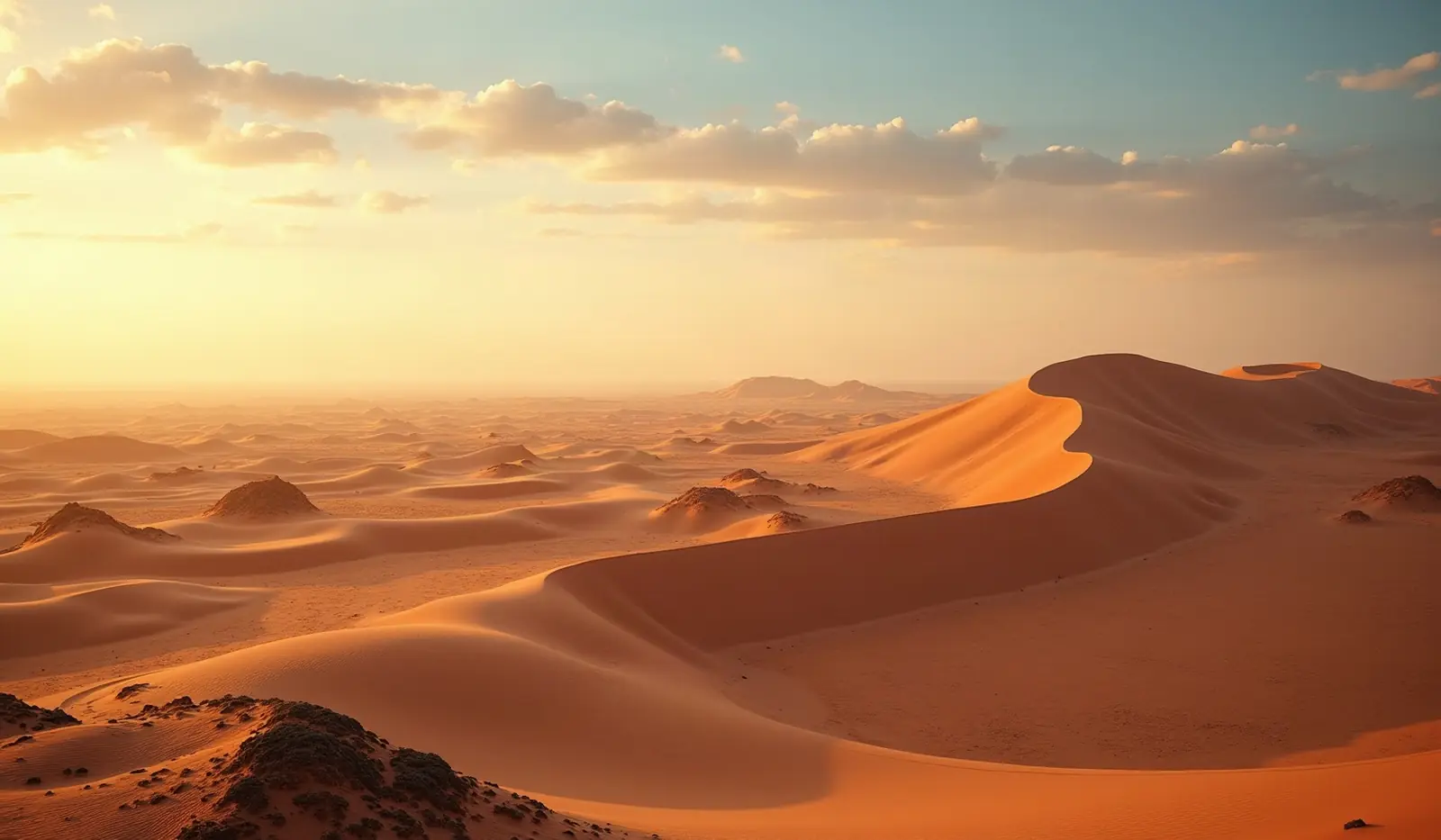
desert; constantly hot, dry, dusty
Terrain
mostly barren, flat plains of the Sahara; some central hills
Highest point
Kediet Ijill 915 m
Natural resources
iron ore, gypsum, copper, phosphate, diamonds, gold, oil, fish
Natural hazards
hot, dry, dust/sand-laden sirocco wind primarily in March and April; periodic droughts
National symbols
five-pointed star between the horns of a horizontal crescent moon
Driving
Speed limits & road rules in Mauritania
The default speed limits in Mauritania are 80 km/h in built-up areas and 100 km/h outside built-up areas. Posted signs always take priority over these defaults.
- 8080 km/hBuilt-up areasTowns and citiesWHO data (2017)
- 100100 km/hOutside built-up areasCountry roadsWHO data (2017)
- International Driving PermitNot a party to the IDP conventionsCheck with the embassy whether your licence is accepted
- Driving sideDrive on the rightOvertake on the left
- Seat beltsRequired by law
- Child seatsNo national child-restraint law
- Motorcycle helmetsRequired for riders
- Road deaths (2021)9.5 per 100,000 peopleSafer than most countries (median 12.4)
Speed limits: OpenStreetMap wiki — Default speed limits (CC BY-SA 2.0) and WHO. Road-safety laws: WHO Global Health Observatory. Compare speed limits and alcohol limits by country. Defaults for cars; local signs, weather and vehicle type can lower them.
Safety
Is Mauritania safe to visit?
Travel to Mauritania carries a high risk: the US State Department rates Mauritania Level 3 (“Reconsider Travel”), and the UK Foreign Office advises against all travel to parts of the country.
 US State Department
 UK Foreign Office (FCDO)
Latest update: New information on risks of travelling on the iron ore train (‘Safety and security’ page).
Updated 19 Oct 2026 · Full travel advice
Sources: US Department of State travel advisories (public domain) and UK FCDO foreign travel advice (contains public sector information licensed under the Open Government Licence v3.0). Checked daily. Advice can change quickly — always read the official page before you travel.
Weather
Best time to visit Mauritania
The best time to visit Mauritania is November to June, when daytime highs in Nouakchott are around 23–27°C. July is also a good time to go. September is the warmest month (30°C by day), January the coldest (17°C at night).
- Jan23°C17°C
- Feb23°C17°C
- Mar24°C18°C
- Apr23°C18°C
- May25°C19°C
- Jun26°C22°C
- Jul27°C25°C
- Aug29°C26°C
- Sep30°C27°C
- Oct29°C25°C
- Nov27°C22°C
- Dec24°C19°C
Best time Good Less ideal
Before you go
Plugs, voltage & emergency numbers in Mauritania
Plugs & sockets
- Type C (Europlug)two round pins
- Type Etwo round pins and a hole for the socket's earth pin
- Type F (Schuko)two round pins with earth clips on the sides
220 V, 50 Hz · Standard 220–240 V: devices from the US or Japan (110–120 V) need a converter unless they are dual voltage (100–240 V).
Emergency numbers
Save the local numbers before you travel — 112 or 911 may not connect here. All countries →
Sources: Wikipedia — Mains electricity by country and List of emergency telephone numbers (CC BY-SA 4.0).
National parks
2 national parks in Mauritania
- 12,130 km² protected
- oldest from 1976
Largest: Banc d'Arguin National Park · Diawling National Park
Currency · 26 October 2026
Mauritanian ouguiya exchange rates today
Mauritania uses the Mauritanian ouguiya (MRU, UM). One US dollar buys 39.8692 MRU; over the last 30 days the MRU has gained 0.8% against the dollar.
What other currencies cost in MRU
Currency converter
Daily reference rates from the open-source currency-api (CC0), 26 Oct 2026. Banks and exchange offices add a margin.
World rankings
Where Mauritania ranks
How Mauritania compares with the rest of the world — open any card for the full ranking.
Airports
Airports in Mauritania
28 airports and airfields — 2 large, 2 medium and 21 small, plus 3 heliports. 3 have scheduled passenger flights.
Borders
Neighbouring countries
Mauritania borders 5 countries along 5,002 km of land borders. Coastline: 754 km.


Military
Mauritanian armed forces
Mauritania ranks #132 of 145 in the Global Firepower military strength ranking, with a defence budget of $322 million (2025).
People
Population & society
Religion
Largest cities: Nouakchott (1.5 million)
Economy
Economy
Main industries
fish processing, oil production, mining (iron ore, gold, copper)
Export partners
China 25%, Switzerland 14%, Canada 12%, UAE 9%, Spain 7% (2023)
Top exports
gold, iron ore, fish, processed crustaceans, copper ore (2023)
Travel tools
Handy before every trip to Mauritania
Next public holiday
Independence Day — Saturday, 28 November 2026. Then New Year's Day (1 Jan).

Mauritanian passport
Ranked #155: 26 countries visa-free, 26 with visa on arrival, 2 with an eTA and 43 with an eVisa.
Mauritanian passport photo
Exact size, head position and background for Mauritania's passport and visa photos — make one free with AI checks.
Calling Mauritania
Dial +222 before the local number. Internet domain .mr.
Climate footprint
5.2 million tonnes of CO₂ in 2024 — 1.01 t per person.
Entry requirements
Visa rules for every passport visiting Mauritania: visa-free stays, eVisas, visas on arrival and documents to bring.
News
Latest travel news about Mauritania
Mauritania's border warnings reinforced after drone fatality on Moroccan side
A Mauritanian gold prospector was killed on 19 October 2026 when a group of prospectors came under drone fire in the Gleibat El Foula area, on the Mo…
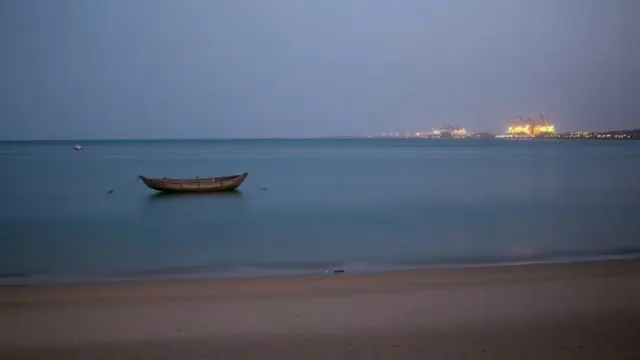
Survivor Describes Deadly Pakistan-to-Spain Smuggling Route via Mauritania
A Pakistani survivor has described being smuggled through Mauritania towards Spain's Canary Islands in January 2025, on a boat that broke down in the…
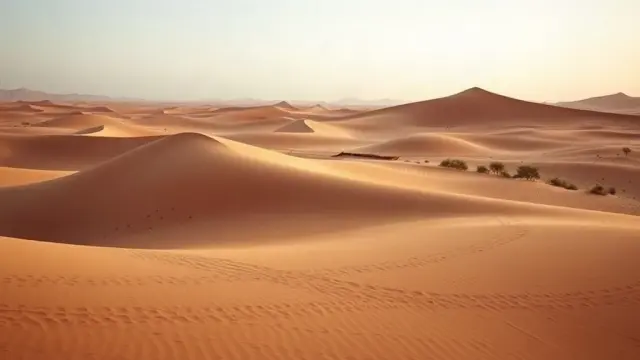
Indian Passport Ranks 84th, Visa-Free Access Decreases
India's passport has improved to 84th place in the Henley Passport Index, but the number of countries it can access without a visa has fallen to 55. …
Frequently asked questions about Mauritania
What do I need to travel to Mauritania?
How long must my passport be valid for Mauritania?
Where is Mauritania?
What is Mauritania known for?
What is the capital of Mauritania?
What language is spoken in Mauritania?
What currency does Mauritania use?
What is the calling code of Mauritania?
Which countries border Mauritania?
How strong is the Mauritanian passport?
What is the speed limit in Mauritania?
Is Mauritania safe to visit?
When is the best time to visit Mauritania?
What plug type does Mauritania use?
How many airports does Mauritania have?
Sources: CIA World Factbook (public domain); World Bank Open Data (CC BY 4.0); names, languages and currencies: mledoze/countries (ODbL); flag: flag-icons (MIT); coat of arms: Wikimedia Commons (file page); exchange rates: Daily reference rates from the open-source currency-api (CC0); airports: OurAirports.