
Western Africa · UN member

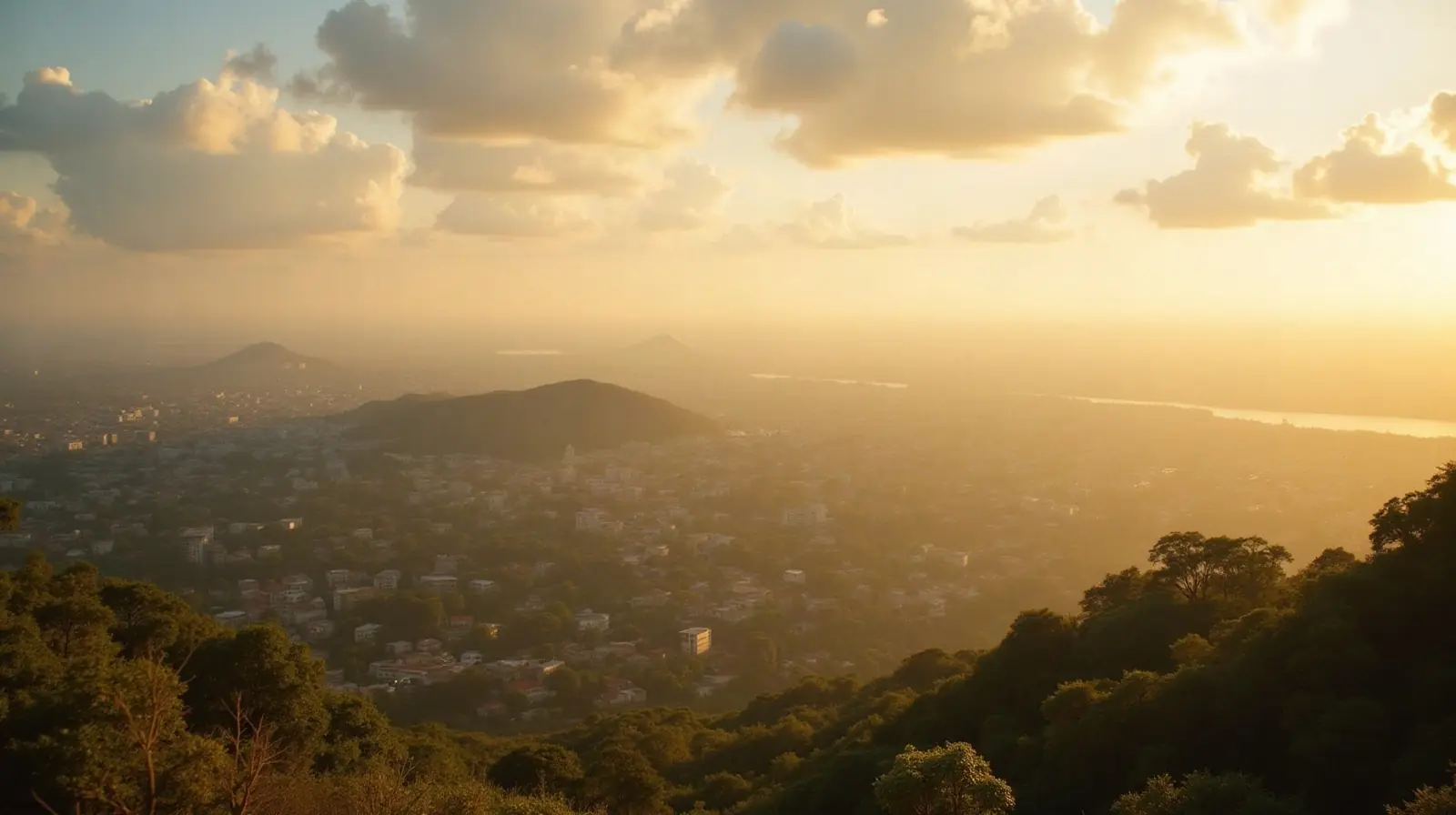
Togo: Travel Guide & Requirements
Togolese Republic
Togo is a country in Western Africa with its capital in Lome. It has a population of 8.6 million (#101 in the world) and covers 56,785 km². The official language is French. The currency is the West African CFA franc (XOF, Fr).
Where is Togo? Map of Togo
Western Africa, bordering the Bight of Benin, between Benin and Ghana.
- Region
- Western Africa
- Coordinates
- 8° N, 1.1667° E
- Neighbours
- 3 — see list
- Coastline
- 56 km
- Togo
- Neighbours
- Capital
- Largest cities
Map of Togo showing Lome (capital) and the largest cities: Sokodé, Kara, Atakpamé, Kpalimé, Bassar, Dapaong, Mango and Notsé.
Travel requirements
What you need to travel to Togo
- Passport
The UK government says your passport must be valid for at least 3 months after the date you plan to leave Togo.
- Visa or eTA
Depends on your passport: of 198 passports, 53 need no visa, 145 need an eVisa. Check yours or see Togo entry requirements for every passport.
- Return or onward ticket
Togo Voyage says visa applicants arriving by air must provide a flight booking or a copy of their ticket with the eVisa application.
- Proof of funds
No official requirement. Togo Voyage lists a bank certificate or account statement as optional for a tourist eVisa application, and a hotel booking or accommodation certificate as strongly recommended.
- Travel insurance
Togo Voyage lists travel insurance as optional, though strongly recommended, among the documents for an eVisa application, and says travel or medical insurance is strongly recommended.
- Vaccinations
The UK government says you must have a yellow fever vaccination certificate to enter Togo.
- Arrival card
Togo Voyage says every traveller entering or leaving Togo by air must complete the online immigration form on the platform.
- Travel advice
High risk — US and UK advice.
Entry rules: TravelRequirements.info — Entry Requirements Dataset (CC BY 4.0), each rule cited to an official government source. Always confirm with the airline and the official source before you travel.
Before you go
10 things to know before you travel to Togo
- Safety: Travel to Togo carries a high risk: the US State Department rates Togo Level 2 (“Exercise Increased Caution”), and the UK Foreign Office advises against all travel to parts of the country.
- Best time to go: November to January and July to August — when daytime highs in Lome are around 26–30°C.
- Money: the West African CFA franc (XOF) — 1 US dollar is about 584.5354 XOF.
- Plugs: type C and E, 220 V, 50 Hz — standard 220–240 V: devices from the US or Japan (110–120 V) need a converter unless they are dual voltage (100–240 V).
- Emergency numbers: Police 117, Ambulance 8200, Fire 118.
- Language: French is official.
- Driving: on the right.
- Time zone: UTC0 in Lome.
- Capital: Lome. About 8.6 million people live in Togo.
- Outdoors: 3 national parks.
Key facts
Togo at a glance
Languages spoken: French (official, language of commerce), Ewe and Mina (in the south), Kabye (sometimes spelled Kabiye) and Dagomba (in the north)
Geography & history
About Togo
From the 11th to the 16th centuries, various ethnic groups settled the Togo region. From the 16th to the 18th centuries, the coastal region became a major trading center for enslaved people, and the surrounding region took on the name of "The Slave Coast." In 1884, Germany declared the area a protectorate called Togoland, which included present-day Togo. After World War I, colonial rule over Togo was transferred to France. French Togoland became Togo upon independence in 1960. Gen. Gnassingbe EYADEMA, installed as military ruler in 1967, ruled Togo with a heavy hand for almost four decades. Despite the facade of multi-party elections instituted in the early 1990s, EYADEMA largely dominated …
Read the full history
From the 11th to the 16th centuries, various ethnic groups settled the Togo region. From the 16th to the 18th centuries, the coastal region became a major trading center for enslaved people, and the surrounding region took on the name of "The Slave Coast." In 1884, Germany declared the area a protectorate called Togoland, which included present-day Togo. After World War I, colonial rule over Togo was transferred to France. French Togoland became Togo upon independence in 1960. Gen. Gnassingbe EYADEMA, installed as military ruler in 1967, ruled Togo with a heavy hand for almost four decades. Despite the facade of multi-party elections instituted in the early 1990s, EYADEMA largely dominated the government. His Rally of the Togolese People (RPT) party has been in power almost continually since 1967, with its successor, the Union for the Republic, maintaining a majority of seats in today's legislature. Upon EYADEMA's death in 2005, the military installed his son, Faure GNASSINGBE, as president and then engineered his formal election two months later. Togo held its first relatively free and fair legislative elections in 2007. Since then, GNASSINGBE has started the country along a gradual path to democratic reform. Togo has held multiple presidential and legislative elections, and in 2019, the country held its first local elections in 32 years. Despite those positive moves, political reconciliation has moved slowly, and the country experiences periodic outbursts of protests from frustrated citizens, leading to violence between security forces and protesters. Constitutional changes in 2019 to institute a runoff system in presidential elections and to establish term limits have done little to reduce the resentment many Togolese feel after more than 50 years of one-family rule. GNASSINGBE became eligible for his current fourth term and one additional fifth term under the new rules. The next presidential election is set for 2025.
Location
Western Africa, bordering the Bight of Benin, between Benin and Ghana
Climate
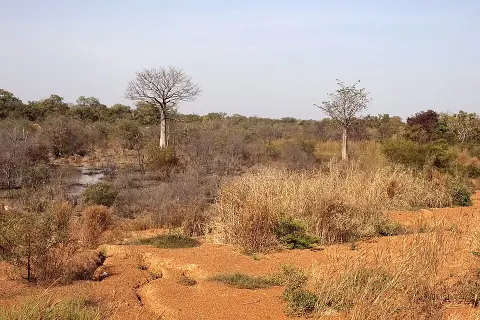
tropical; hot, humid in south; semiarid in north
Terrain
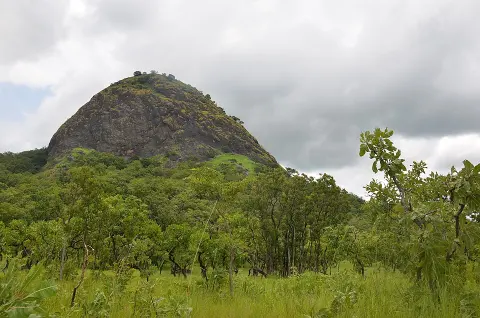
gently rolling savanna in north; central hills; southern plateau; low coastal plain with extensive lagoons and marshes
Highest point
Mont Agou 986 m
Natural resources
phosphates, limestone, marble, arable land
Natural hazards
hot, dry harmattan wind can reduce visibility in north during winter; periodic droughts
National symbols
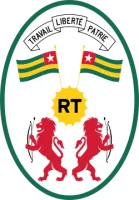
lion
Safety
Is Togo safe to visit?
Travel to Togo carries a high risk: the US State Department rates Togo Level 2 (“Exercise Increased Caution”), and the UK Foreign Office advises against all travel to parts of the country.
 US State Department
 UK Foreign Office (FCDO)
Latest update: FCDO now advises against all travel to within 30km of the border with Burkina Faso except for the city of Dapaong and the N1 highway leading to it from the south and FCDO now advises against all but essential travel to the rest of the Savanes Region (‘Warnings and insurance’ page).
Updated 15 Dec 2025 · Full travel advice
Sources: US Department of State travel advisories (public domain) and UK FCDO foreign travel advice (contains public sector information licensed under the Open Government Licence v3.0). Checked daily. Advice can change quickly — always read the official page before you travel.
Weather
Best time to visit Togo
The best time to visit Togo is November to January and July to August, when daytime highs in Lome are around 26–30°C. February to March and September to October are also a good time to go. February is the warmest month (30°C by day), August the coldest (23°C at night), and June the wettest with about 181 mm of rain.
- Jan30°C25°C
- Feb30°C26°C
- Mar30°C27°C
- Apr30°C27°C
- May29°C26°C
- Jun27°C25°C
- Jul26°C24°C
- Aug26°C23°C
- Sep27°C24°C
- Oct28°C25°C
- Nov29°C26°C
- Dec30°C25°C
Best time Good Less ideal
Before you go
Plugs, voltage & emergency numbers in Togo
Plugs & sockets
220 V, 50 Hz · Standard 220–240 V: devices from the US or Japan (110–120 V) need a converter unless they are dual voltage (100–240 V).
Emergency numbers
Save the local numbers before you travel — 112 or 911 may not connect here. All countries →
Sources: Wikipedia — Mains electricity by country and List of emergency telephone numbers (CC BY-SA 4.0).
National parks
3 national parks in Togo
- 2,143 km² protected
- oldest from 1954
Largest: Kéran National Park · Fazao Mafakassa National Park · Fosse aux Lions National Park
Currency · 26 October 2026
West African CFA franc exchange rates today
Togo uses the West African CFA franc (XOF, Fr). One US dollar buys 584.5354 XOF; over the last 30 days the XOF has lost 1.5% against the dollar.
What other currencies cost in XOF
Currency converter
Daily reference rates from the open-source currency-api (CC0), 26 Oct 2026. Banks and exchange offices add a margin.
World rankings
Where Togo ranks
How Togo compares with the rest of the world — open any card for the full ranking.
Airports
Airports in Togo
7 airports and airfields — 2 large, 0 medium and 5 small, plus 0 heliports. 1 have scheduled passenger flights.
Borders
Neighbouring countries
Togo borders 3 countries along 1,880 km of land borders. Coastline: 56 km.


People
Population & society
Religion
Largest cities: Lome (2.0 million)
Economy
Economy
Main industries
phosphate mining, agricultural processing, cement, handicrafts, textiles, beverages
Export partners
UAE 40%, India 13%, Angola 13%, Burkina Faso 4%, Cote d'Ivoire 3% (2023)
Top exports
gold, refined petroleum, soybeans, phosphates, coconuts/brazil nuts/cashews (2023)
Travel tools
Handy before every trip to Togo
Next public holiday
All Saints' Day — Sunday, 1 November 2026. Then Christmas Day (25 Dec).

Togolese passport
Ranked #145: 29 countries visa-free, 26 with visa on arrival, 2 with an eTA and 41 with an eVisa.
Togolese passport photo
Exact size, head position and background for Togo's passport and visa photos — make one free with AI checks.
Calling Togo
Dial +228 before the local number. Internet domain .tg.
Climate footprint
2.8 million tonnes of CO₂ in 2024 — 0.33 t per person.
Entry requirements
Visa rules for every passport visiting Togo: visa-free stays, eVisas, visas on arrival and documents to bring.
News
Latest travel news about Togo
Guinea-Bissau police free 71 people from fake jobs and visas scam
Guinea-Bissau's judicial police freed 71 people and arrested four suspects after raiding two houses in Bissau, targeting a network that promised jobs…
Burkina Faso passport holders level with Uzbekistan at 57 visa-free destinations
Uzbekistan has dropped to 82nd place in the Henley Passport Index, down from 73rd in April 2026. Uzbek citizens can enter 57 countries and territorie…
Burkina Faso travel: Uzbek passport falls to 82nd, offers 57 visa-free options
Uzbekistan has fallen to 82nd place in the Henley Passport Index, down from 73rd in April 2026. Uzbek citizens can travel to 57 countries and territo…
Frequently asked questions about Togo
What do I need to travel to Togo?
How long must my passport be valid for Togo?
Where is Togo?
What is Togo known for?
What is the capital of Togo?
What language is spoken in Togo?
What currency does Togo use?
What is the calling code of Togo?
Which countries border Togo?
How strong is the Togolese passport?
Is Togo safe to visit?
When is the best time to visit Togo?
What plug type does Togo use?
How many airports does Togo have?
Sources: CIA World Factbook (public domain); World Bank Open Data (CC BY 4.0); names, languages and currencies: mledoze/countries (ODbL); flag: flag-icons (MIT); coat of arms: Wikimedia Commons (file page); exchange rates: Daily reference rates from the open-source currency-api (CC0); airports: OurAirports.