
Southern Asia · UN member

Bhutan: Travel Guide & Requirements
Kingdom of Bhutan · འབྲུག་རྒྱལ་ཁབ་
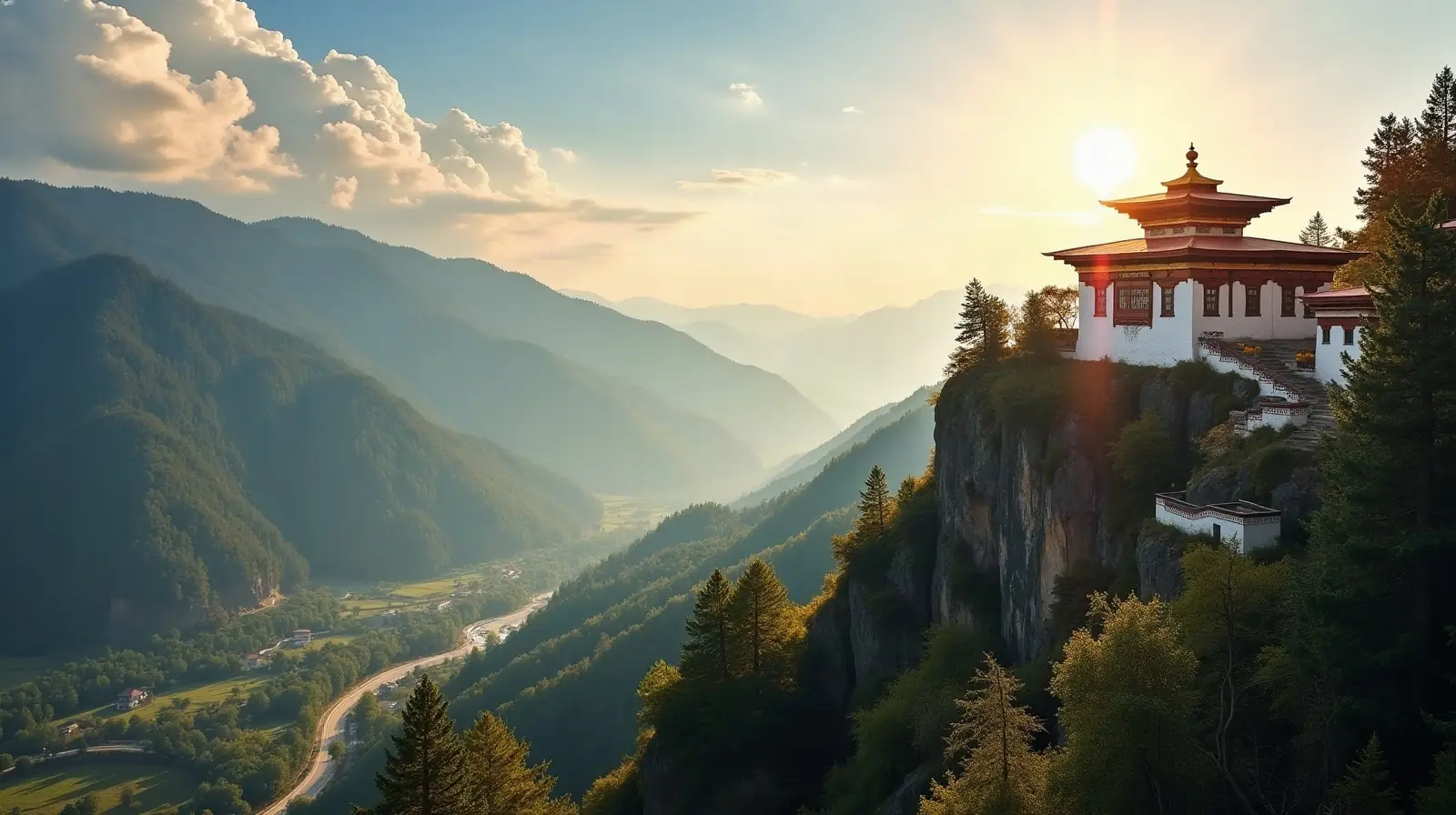
Bhutan is a country in Southern Asia with its capital in Thimphu. It has a population of 796,682 (#165 in the world) and covers 38,394 km². The official language is Dzongkha. The currency is the Bhutanese ngultrum (BTN, Nu.).
Where is Bhutan? Map of Bhutan
Southern Asia, between China and India.
- Region
- Southern Asia
- Coordinates
- 27.5° N, 90.5° E
- Neighbours
- 2 — see list
- Coastline
- Landlocked
- Bhutan
- Neighbours
- Capital
- Largest cities
Map of Bhutan showing Thimphu (capital) and the largest cities: Phuntsholing and Tsirang.
Travel requirements
What you need to travel to Bhutan
- Passport
Bhutan's Immigration Rules and Regulations 2023 say the passport shall be valid for at least six months from the intended date of departure from the Kingdom.
- Visa or eTA
Depends on your passport: of 198 passports, 195 need an eVisa, 3 get a visa on arrival. Check yours or see Bhutan entry requirements for every passport.
- Return or onward ticket
No official requirement.
- Proof of funds
Bhutan's Immigration Rules and Regulations 2023 say a foreigner seeking entry shall prove adequate means to support their stay in the Kingdom without recourse to public funds.
- Travel insurance
Not required.
- Customs allowance
Bhutan's Department of Tourism says you may bring cash equivalent to US$10,000 into the country.
- Travel advice
Safe to visit — US and UK advice.
Entry rules: TravelRequirements.info — Entry Requirements Dataset (CC BY 4.0), each rule cited to an official government source. Always confirm with the airline and the official source before you travel.
Before you go
10 things to know before you travel to Bhutan
- Safety: Yes — Bhutan is generally safe to visit: the US State Department rates Bhutan Level 1 (“Exercise Normal Precautions”), and the UK Foreign Office has no warnings against travel there.
- Best time to go: November to June — when daytime highs in Thimphu are around 5–17°C.
- Money: the Bhutanese ngultrum (BTN) — 1 US dollar is about 94.9572 BTN.
- Plugs: type C, D, F, G and M, 230 V, 50 Hz — standard 220–240 V: devices from the US or Japan (110–120 V) need a converter unless they are dual voltage (100–240 V).
- Emergency numbers: Police 113, Ambulance 112, Fire 110.
- Language: Dzongkha is official.
- Driving: on the left — speed limits are 30 km/h in built-up areas and 50 km/h outside built-up areas.
- Time zone: UTC+6 in Thimphu.
- Capital: Thimphu. About 796,682 people live in Bhutan.
- Outdoors: 4 national parks.
Key facts
Bhutan at a glance
Languages spoken: Sharchopkha 28%, Dzongkha (official) 24%, Lhotshamkha 22%, other 26% (includes foreign languages) (2005 est.)
Geography & history
About Bhutan
After Britain’s victory in the 1865 Duar War, Britain and Bhutan signed the Treaty of Sinchulu, under which Bhutan would receive an annual subsidy in exchange for ceding land to British India. Ugyen WANGCHUCK -- who had served as the de facto ruler of an increasingly unified Bhutan and had improved relations with the British toward the end of the 19th century -- was named king in 1907. Three years later, a treaty was signed whereby the British agreed not to interfere in Bhutanese internal affairs, and Bhutan allowed Britain to direct its foreign affairs. Bhutan negotiated a similar arrangement with independent India in 1949. The Indo-Bhutanese Treaty of Friendship returned to Bhutan a small…
Read the full history
After Britain’s victory in the 1865 Duar War, Britain and Bhutan signed the Treaty of Sinchulu, under which Bhutan would receive an annual subsidy in exchange for ceding land to British India. Ugyen WANGCHUCK -- who had served as the de facto ruler of an increasingly unified Bhutan and had improved relations with the British toward the end of the 19th century -- was named king in 1907. Three years later, a treaty was signed whereby the British agreed not to interfere in Bhutanese internal affairs, and Bhutan allowed Britain to direct its foreign affairs. Bhutan negotiated a similar arrangement with independent India in 1949. The Indo-Bhutanese Treaty of Friendship returned to Bhutan a small piece of the territory annexed by the British, formalized the annual subsidies the country received, and defined India's responsibilities in defense and foreign relations. Under a succession of modernizing monarchs beginning in the 1950s, Bhutan joined the UN in 1971 and slowly continued its engagement beyond its borders. In 2005, King Jigme Singye WANGCHUCK unveiled the draft of Bhutan's first constitution -- which introduced major democratic reforms -- and held a national referendum for its approval. The King abdicated the throne in 2006 in favor of his son, Jigme Khesar Namgyel WANGCHUCK. In 2007, India and Bhutan renegotiated their treaty, eliminating the clause that stated that Bhutan would be "guided by" India in conducting its foreign policy, although Thimphu continues to coordinate closely with New Delhi. In 2008, Bhutan held its first parliamentary election in accordance with the constitution. Bhutan experienced a peaceful turnover of power following a parliamentary election in 2013, which resulted in the defeat of the incumbent party. In 2018, the incumbent party again lost the parliamentary election. In 2024, of the more than 100,000 ethnic Nepali -- predominantly Lhotshampa -- refugees who fled or were forced out of Bhutan in the 1990s, about 6,500 remain displaced in Nepal.
Location
Southern Asia, between China and India
Climate
varies; tropical in southern plains; cool winters and hot summers in central valleys; severe winters and cool summers in Himalayas
Terrain
mostly mountainous with some fertile valleys and savanna
Highest point
Gangkar Puensum 7,570 m
Natural resources
timber, hydropower, gypsum, calcium carbonate
Natural hazards
violent storms from the Himalayas are the source of the country's Bhutanese name, which translates as Land of the Thunder Dragon; frequent landslides during the rainy season
National symbols
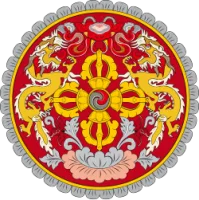
mythical thunder dragon (druk)
Driving
Speed limits & road rules in Bhutan
The default speed limits in Bhutan are 30 km/h in built-up areas and 50 km/h outside built-up areas. The legal alcohol limit for drivers is 0.8‰. Posted signs always take priority over these defaults.
- 3030 km/hBuilt-up areasTowns and cities
- 5050 km/hOutside built-up areasCountry roads
- International Driving PermitNot a party to the IDP conventionsCheck with the embassy whether your licence is accepted
- Driving sideDrive on the leftOvertake on the right
- Alcohol limit0.8‰ blood alcohol (0.08% BAC)Zero tolerance for young / novice drivers
- Seat beltsRequired by law
- Child seatsNo national child-restraint law
- Motorcycle helmetsRequired for riders
- Road deaths (2021)12.2 per 100,000 peopleClose to the world median (12.4)
Speed limits: OpenStreetMap wiki — Default speed limits (CC BY-SA 2.0). Road-safety laws: WHO Global Health Observatory. Compare speed limits and alcohol limits by country. Defaults for cars; local signs, weather and vehicle type can lower them.
Safety
Is Bhutan safe to visit?
Yes — Bhutan is generally safe to visit: the US State Department rates Bhutan Level 1 (“Exercise Normal Precautions”), and the UK Foreign Office has no warnings against travel there.
 US State Department
 UK Foreign Office (FCDO)
Latest update: New information about dual nationals returning to the UK (‘Entry requirements’ page).
Updated 10 Dec 2025 · Full travel advice
Sources: US Department of State travel advisories (public domain) and UK FCDO foreign travel advice (contains public sector information licensed under the Open Government Licence v3.0). Checked daily. Advice can change quickly — always read the official page before you travel.
Weather
Best time to visit Bhutan
The best time to visit Bhutan is November to June, when daytime highs in Thimphu are around 5–17°C. June is the warmest month (17°C by day), January the coldest (-8°C at night), and July the wettest with about 259 mm of rain.
- Jan5°C-8°C
- Feb6°C-7°C
- Mar9°C-4°C
- Apr12°C-1°C
- May14°C3°C
- Jun17°C8°C
- Jul17°C9°C
- Aug16°C8°C
- Sep15°C7°C
- Oct12°C2°C
- Nov9°C-2°C
- Dec6°C-6°C
Best time Good Less ideal
Before you go
Plugs, voltage & emergency numbers in Bhutan
Plugs & sockets
- Type C (Europlug)two round pins
- Type Dthree large round pins in a triangle
- Type F (Schuko)two round pins with earth clips on the sides
- Type Gthree rectangular pins in a triangle
- Type Mthree large round pins in a triangle
230 V, 50 Hz · Standard 220–240 V: devices from the US or Japan (110–120 V) need a converter unless they are dual voltage (100–240 V).
Emergency numbers
112 works from any mobile phone, even without a SIM card in most networks. All countries →
Sources: Wikipedia — Mains electricity by country and List of emergency telephone numbers (CC BY-SA 4.0).
National parks
4 national parks in Bhutan
- 3,692 km² protected
- oldest from 1966
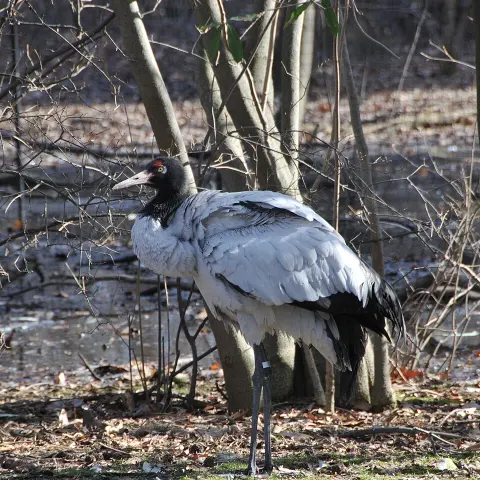
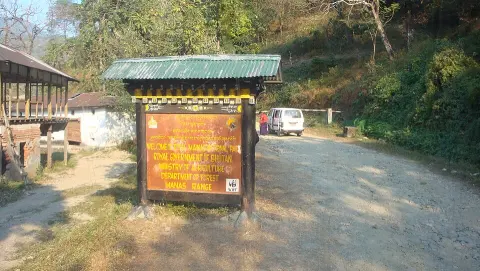
Largest: Jigme Singye Wangchuck National Park · Royal Manas National Park · Phrumsengla National Park
Currency · 26 October 2026
Bhutanese ngultrum exchange rates today
Bhutan uses the Bhutanese ngultrum (BTN, Nu.). One US dollar buys 94.9572 BTN; over the last 30 days the BTN has gained 0.8% against the dollar.
What other currencies cost in BTN
Currency converter
Daily reference rates from the open-source currency-api (CC0), 26 Oct 2026. Banks and exchange offices add a margin.
World rankings
Where Bhutan ranks
How Bhutan compares with the rest of the world — open any card for the full ranking.
Airports
Airports in Bhutan
12 airports and airfields — 1 large, 1 medium and 2 small, plus 8 heliports. 3 have scheduled passenger flights.
Borders
Neighbouring countries
Bhutan borders 2 countries along 1,136 km of land borders. It is landlocked.


Military
Bhutanese armed forces
Bhutan ranks #145 of 145 in the Global Firepower military strength ranking.
People
Population & society
Religion
Largest cities: Thimphu (203,000)
Economy
Economy
Main industries
cement, wood products, processed fruits, alcoholic beverages, calcium carbide, tourism
Export partners
India 92%, Italy 4%, Indonesia 1%, China 1%, Singapore 0% (2023)
Top exports
iron alloys, aircraft, dolomite, semi-finished iron, cement (2023)
Travel tools
Handy before every trip to Bhutan
Next public holiday
Coronation of His Majesty the King — Sunday, 1 November 2026. Then Descending Day of Lord Buddha (1 Nov).
Bhutanese passport
Ranked #177: 17 countries visa-free, 33 with visa on arrival, 3 with an eTA and 45 with an eVisa.
Bhutanese passport photo
Exact size, head position and background for Bhutan's passport and visa photos — make one free with AI checks.
Calling Bhutan
Dial +975 before the local number. Internet domain .bt.
Climate footprint
1.7 million tonnes of CO₂ in 2024 — 2.09 t per person.
Entry requirements
Visa rules for every passport visiting Bhutan: visa-free stays, eVisas, visas on arrival and documents to bring.
News
Latest travel news about Bhutan
Bhutan trips add $100 a night per visitor, plus $40 visa, through August 2027
Most foreign visitors to Bhutan pay a Sustainable Development Fee of $100 per person per night, plus a $40 visa fee, on top of hotels and tours. The …
Nauru passport holders can get Thailand visa on arrival, stay up to 15 days
Thailand's Ministry of Foreign Affairs has published a visa on arrival list covering 19 countries and territories, including Nauru. Eligible passport…
Explore Bhutan and Five Other Visa-Free Destinations This November
Indian travellers can enjoy visa-free access to Bhutan and five other Asian destinations this November. Key entry requirements and travel tips are ou…
Frequently asked questions about Bhutan
What do I need to travel to Bhutan?
How long must my passport be valid for Bhutan?
Where is Bhutan?
What is Bhutan known for?
What is the capital of Bhutan?
What language is spoken in Bhutan?
What currency does Bhutan use?
What is the calling code of Bhutan?
Which countries border Bhutan?
How strong is the Bhutanese passport?
What is the speed limit in Bhutan?
Is Bhutan safe to visit?
When is the best time to visit Bhutan?
What plug type does Bhutan use?
How many airports does Bhutan have?
Sources: CIA World Factbook (public domain); World Bank Open Data (CC BY 4.0); names, languages and currencies: mledoze/countries (ODbL); flag: flag-icons (MIT); coat of arms: Wikimedia Commons (file page); exchange rates: Daily reference rates from the open-source currency-api (CC0); airports: OurAirports.