
South America · UN member

Argentina: Travel Guide & Requirements
Argentine Republic
Argentina is a country in South America with its capital in Buenos Aires. It has a population of 45.9 million (#35 in the world) and covers 2,780,400 km². The official languages are Guaraní and Spanish. The currency is the Argentine peso (ARS, $).
Where is Argentina? Map of Argentina
Southern South America, bordering the South Atlantic Ocean, between Chile and Uruguay.
- Region
- South America
- Coordinates
- 34° S, 64° W
- Neighbours
- 5 — see list
- Coastline
- 4,989 km
- Argentina
- Neighbours
- Capital
- Largest cities
Map of Argentina showing Buenos Aires (capital) and the largest cities: Córdoba, Rosario, Mar del Plata, San Miguel de Tucumán, Salta, Santa Fe, Corrientes and Posadas.
Travel requirements
What you need to travel to Argentina
- Passport
The UK Foreign Office says your passport must be valid for the proposed duration of your stay in Argentina.
- Visa or eTA
Depends on your passport: of 198 passports, 90 need no visa, 108 need a visa from an embassy. Check yours or see Argentina entry requirements for every passport.
- Return or onward ticket
Argentina's Foreign Ministry lists a round-trip ticket reservation among the documents required for a consular tourist visa application.
- Proof of funds
Argentina's Foreign Ministry lists proof of economic solvency (for example recent pay slips, a credit card statement or a bank statement) among the documents required for a consular tourist visa application.
- Travel insurance
Decree 366/2025 (29 May 2025) amended the Migration Law so that foreigners seeking admission must present a sworn declaration of the purpose of their entry and that they hold health insurance for their medical needs; th…
- Vaccinations
WHO's list of countries requiring proof of yellow fever vaccination shows no such requirement for Argentina.
- Customs allowance
Argentina's tax and customs agency (AFIP) says sums below USD 10,000 (or the equivalent in another currency) may be brought in and taken out; bringing in a larger amount requires a special declaration at customs on form…
- Travel advice
Safe to visit — US and UK advice.
Entry rules: TravelRequirements.info — Entry Requirements Dataset (CC BY 4.0), each rule cited to an official government source. Always confirm with the airline and the official source before you travel.
Before you go
10 things to know before you travel to Argentina
- Safety: Yes — Argentina is generally safe to visit: the US State Department rates Argentina Level 1 (“Exercise Normal Precautions”), and the UK Foreign Office has no warnings against travel there.
- Best time to go: November to March — when daytime highs in Buenos Aires are around 24–28°C.
- Money: the Argentine peso (ARS) — 1 US dollar is about 1,521.6 ARS.
- Plugs: type C and I, 220 V, 50 Hz — standard 220–240 V: devices from the US or Japan (110–120 V) need a converter unless they are dual voltage (100–240 V).
- Emergency numbers: Police 911, Ambulance 911, Fire 911.
- Language: Guaraní and Spanish are official; English is also spoken.
- Driving: on the right — speed limits are 60 km/h in built-up areas, 110 km/h outside built-up areas and 130 km/h on motorways.
- Time zone: UTC-3 in Buenos Aires.
- Capital: Buenos Aires. About 45.9 million people live in Argentina.
- Argentina is the 8th largest country in the world by area.
Key facts
Argentina at a glance
Languages spoken: Spanish (official), Italian, English, German, French, indigenous (Quechua, Guarani, Mapudungun)
Geography & history
About Argentina
In 1816, the United Provinces of the Río de la Plata declared their independence from Spain. After Bolivia, Paraguay, and Uruguay went their separate ways, the area that remained became Argentina. European immigrants heavily shaped the country's population and culture, with Italy and Spain providing the largest percentage of newcomers from 1860 to 1930. Until about the mid-20th century, much of Argentina's history was dominated by periods of internal political unrest and conflict between civilian and military factions. After World War II, former President Juan Domingo PERÓN -- the founder of the Peronist political movement -- introduced an era of populism, serving three non-consecutive term…
Read the full history
In 1816, the United Provinces of the Río de la Plata declared their independence from Spain. After Bolivia, Paraguay, and Uruguay went their separate ways, the area that remained became Argentina. European immigrants heavily shaped the country's population and culture, with Italy and Spain providing the largest percentage of newcomers from 1860 to 1930. Until about the mid-20th century, much of Argentina's history was dominated by periods of internal political unrest and conflict between civilian and military factions. After World War II, former President Juan Domingo PERÓN -- the founder of the Peronist political movement -- introduced an era of populism, serving three non-consecutive terms in office until his death in 1974. Direct and indirect military interference in government throughout the PERÓN years led to a military junta taking power in 1976. In 1982, the junta failed in its bid to seize the Falkland Islands (Islas Malvinas) by force from the United Kingdom. Democracy was reinstated in 1983 and has persisted despite numerous challenges, the most formidable of which was a severe economic crisis in 2001-02 that led to violent public protests and the successive resignations of several presidents. The years 2003-15 saw Peronist rule by Néstor KIRCHNER (2003-07) and his spouse Cristina FERNÁNDEZ DE KIRCHNER (2007-15), who oversaw several years of strong economic growth (2003-11) followed by a gradual deterioration in the government’s fiscal situation and eventual economic stagnation and isolation. Argentina underwent a brief period of economic reform and international reintegration under Mauricio MACRI (2015-19), but a recession in 2018-19 and frustration with MACRI’s economic policies ushered in a new Peronist government in 2019 led by President Alberto FERNÁNDEZ and Vice President Cristina FERNÁNDEZ DE KIRCHNER. Argentina's high public debts, its pandemic-related inflationary pressures, and systemic monetary woes served as the catalyst for the 2023 elections, culminating with President Javier MILEI's electoral success. Argentina has since eliminated half of its government agencies and is seeking shock therapy to amend taxation and monetary policies.
Location
Southern South America, bordering the South Atlantic Ocean, between Chile and Uruguay
Climate
mostly temperate; arid in southeast; subantarctic in southwest
Terrain
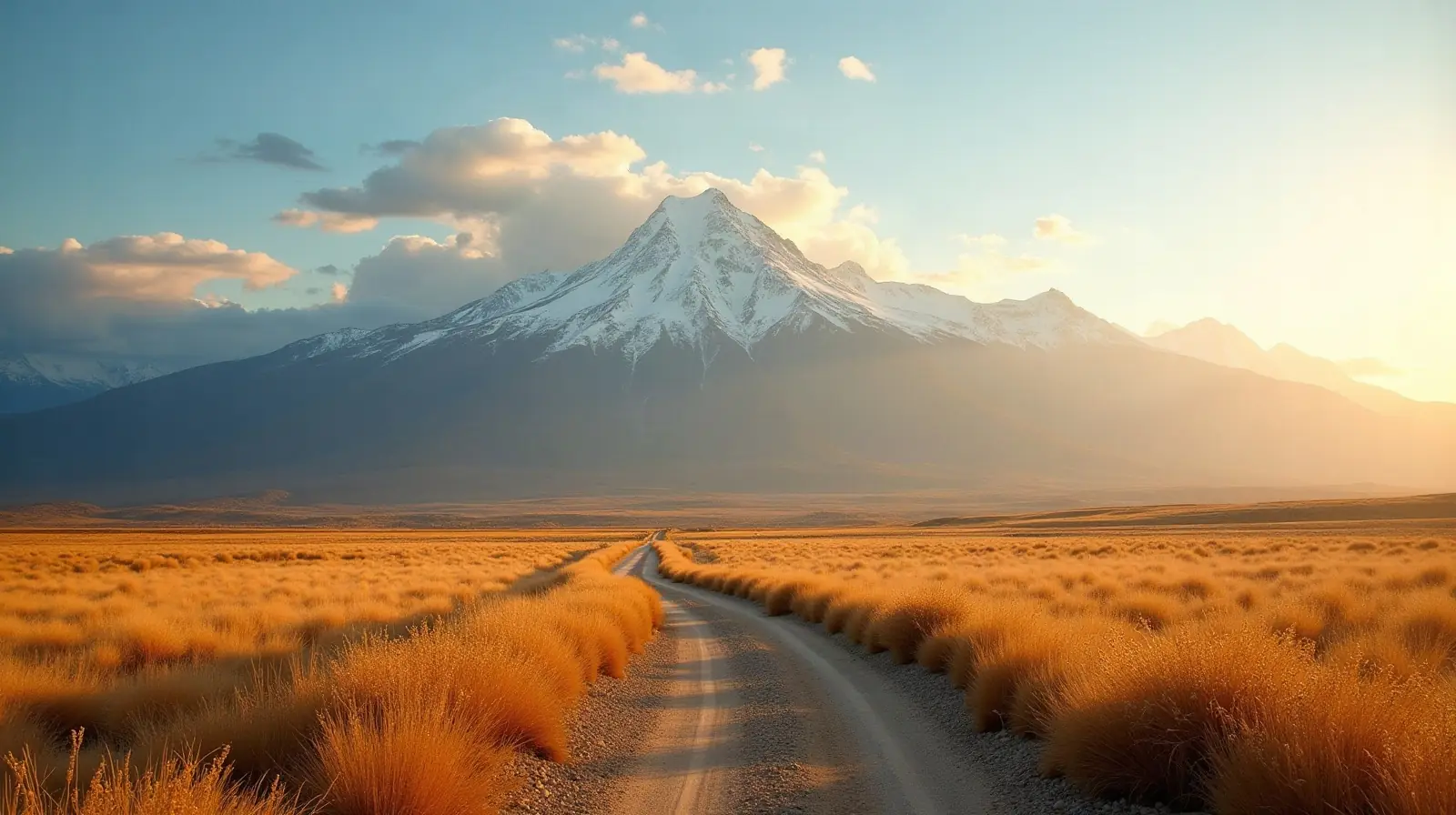
rich plains of the Pampas in northern half, flat to rolling plateau of Patagonia in south, rugged Andes along western border
Highest point
Cerro Aconcagua (located in the northwestern corner of the province of Mendoza; highest point in South America) 6,962 m
Natural resources
fertile plains of the pampas, lead, zinc, tin, copper, iron ore, manganese, petroleum, uranium, arable land
Natural hazards
San Miguel de Tucumán and Mendoza areas in the Andes subject to earthquakes; pamperos are violent windstorms that can strike the pampas and northeast; heavy flooding in some areas volcanism: volcanic activity in the Andes Mountains along the Chilean border; C…
National symbols
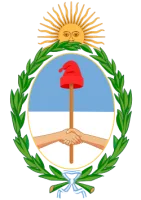
Sun of May (a sun-with-face symbol)
Driving
Speed limits & road rules in Argentina
The default speed limits in Argentina are 60 km/h in built-up areas, 110 km/h outside built-up areas and 130 km/h on motorways. The legal alcohol limit for drivers is 0.5‰. Posted signs always take priority over these defaults.
- 6060 km/hBuilt-up areasTowns and citiesWHO data (2017)
- 110110 km/hOutside built-up areasCountry roads
- 130130 km/hMotorwaysMotorways / freeways
- International Driving PermitRecognised: 1968 Vienna, 1949 Geneva, 1926 ParisCarry the IDP together with your national licence
- Driving sideDrive on the rightOvertake on the left
- Alcohol limit0.5‰ blood alcohol (0.05% BAC)
- Seat beltsRequired by law
- Child seatsRequired by law
- Motorcycle helmetsRequired for riders
- Road deaths (2021)8.8 per 100,000 peopleSafer than most countries (median 12.4)
Speed limits: OpenStreetMap wiki — Default speed limits (CC BY-SA 2.0) and WHO. Road-safety laws: WHO Global Health Observatory. Compare speed limits and alcohol limits by country. Defaults for cars; local signs, weather and vehicle type can lower them.
Safety
Is Argentina safe to visit?
Yes — Argentina is generally safe to visit: the US State Department rates Argentina Level 1 (“Exercise Normal Precautions”), and the UK Foreign Office has no warnings against travel there.
 US State Department
 UK Foreign Office (FCDO)
Latest update: New information about Hantavirus in Argentina (‘Health’ page).
Updated 7 May 2026 · Full travel advice
Sources: US Department of State travel advisories (public domain) and UK FCDO foreign travel advice (contains public sector information licensed under the Open Government Licence v3.0). Checked daily. Advice can change quickly — always read the official page before you travel.
Weather
Best time to visit Argentina
The best time to visit Argentina is November to March, when daytime highs in Buenos Aires are around 24–28°C. April and October are also a good time to go. January is the warmest month (28°C by day), July the coldest (9°C at night), and March the wettest with about 123 mm of rain.
- Jan28°C22°C
- Feb27°C21°C
- Mar25°C20°C
- Apr21°C16°C
- May17°C13°C
- Jun14°C10°C
- Jul13°C9°C
- Aug15°C10°C
- Sep17°C12°C
- Oct20°C15°C
- Nov24°C18°C
- Dec26°C20°C
Best time Good Less ideal
Before you go
Plugs, voltage & emergency numbers in Argentina
Plugs & sockets
220 V, 50 Hz · Standard 220–240 V: devices from the US or Japan (110–120 V) need a converter unless they are dual voltage (100–240 V).
Emergency numbers
Save the local numbers before you travel — 112 or 911 may not connect here. All countries →
Sources: Wikipedia — Mains electricity by country and List of emergency telephone numbers (CC BY-SA 4.0).
Ski resorts
36 ski resorts in Argentina
- 235 km of slopes
- 129 lifts
- up to 3,416 m
Biggest: Cerro Catedral · Cerro Castor · Chapelco Ski Resort
National parks
39 national parks in Argentina
- 37,991 km² protected
- oldest from 1934
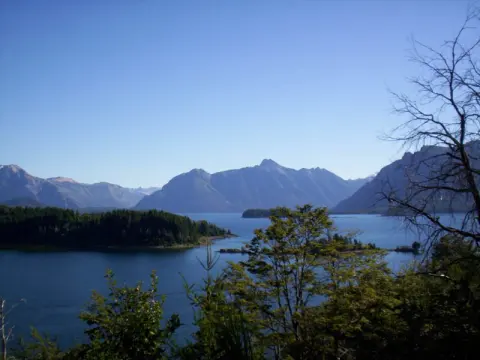
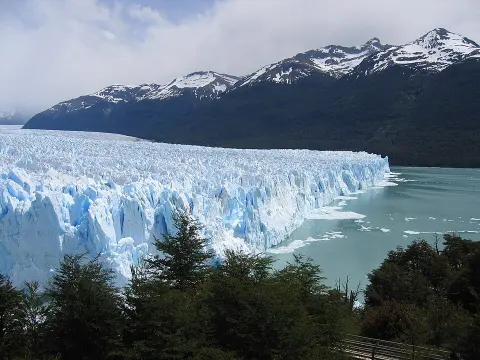
Largest: Nahuel Huapi National Park · Ansenuza national park · Los Glaciares National Park
Currency · 26 October 2026
Argentine peso exchange rates today
Argentina uses the Argentine peso (ARS, $). One US dollar buys 1,521.6 ARS; over the last 30 days the ARS has gained 0.3% against the dollar.
What other currencies cost in ARS
Currency converter
Daily reference rates from the open-source currency-api (CC0), 26 Oct 2026. Banks and exchange offices add a margin.
World rankings
Where Argentina ranks
How Argentina compares with the rest of the world — open any card for the full ranking.
Airports
Airports in Argentina
968 airports and airfields — 13 large, 60 medium and 742 small, plus 152 heliports. 48 have scheduled passenger flights.


Military
Argentine armed forces
Argentina ranks #28 of 145 in the Global Firepower military strength ranking, with a defence budget of $3.9 billion (2025).
People
Population & society
Religion
Largest cities: Buenos Aires (15.5 million), Córdoba (1.6 million), Rosario (1.6 million), Mendoza (1.2 million), San Miguel de Tucumán (1.0 million)
Economy
Economy
Main industries
food processing, motor vehicles, consumer durables, textiles, chemicals and petrochemicals, printing, metallurgy, steel
Export partners
Brazil 18%, USA 9%, Chile 8%, China 8%, India 4% (2023)
Top exports
soybean meal, corn, trucks, soybean oil, crude petroleum (2023)
Travel tools
Handy before every trip to Argentina
Next public holiday
National Sovereignty Day — Monday, 23 November 2026. Then Immaculate Conception Day (8 Dec).
Argentine passport
Ranked #45: 107 countries visa-free, 38 with visa on arrival, 7 with an eTA and 24 with an eVisa.
Argentine passport photo
Exact size, head position and background for Argentina's passport and visa photos — make one free with AI checks.
Calling Argentina
Dial +54 before the local number. Internet domain .ar.
Climate footprint
171.1 million tonnes of CO₂ in 2024 — 3.74 t per person.
Entry requirements
Visa rules for every passport visiting Argentina: visa-free stays, eVisas, visas on arrival and documents to bring.
News
Latest travel news about Argentina
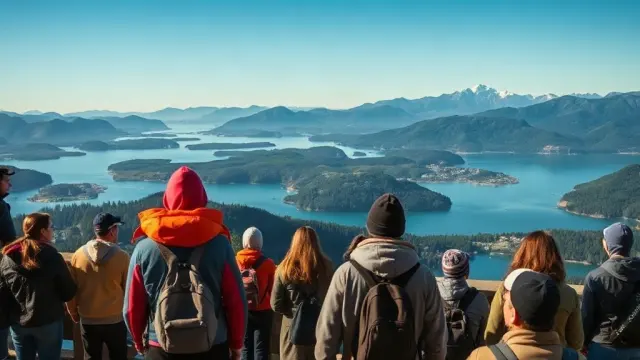
Argentina's higher prices draw wealthier, longer-haul visitors
Economic reforms have pushed up hotel, meal and service prices in dollar terms, ending Argentina's reputation as a bargain destination. Tourism is no…
Travellers seeking an Argentine passport would face a $350,000 investment
President Javier Milei has outlined a plan under which foreign investors putting U.S. $350,000 into Argentina can move towards Argentine citizenship …
Travellers eyeing Argentine passport: USD 350,000 route planned, details pending
Argentina has announced plans for a citizenship by investment programme offering a route to an Argentine passport through a USD 350,000 contribution …
Frequently asked questions about Argentina
What do I need to travel to Argentina?
How long must my passport be valid for Argentina?
Where is Argentina?
What is Argentina known for?
What is the capital of Argentina?
What language is spoken in Argentina?
What currency does Argentina use?
What is the calling code of Argentina?
Which countries border Argentina?
How strong is the Argentine passport?
What is the speed limit in Argentina?
Is Argentina safe to visit?
When is the best time to visit Argentina?
What plug type does Argentina use?
How many airports does Argentina have?
Sources: CIA World Factbook (public domain); World Bank Open Data (CC BY 4.0); names, languages and currencies: mledoze/countries (ODbL); flag: flag-icons (MIT); coat of arms: Wikimedia Commons (file page); exchange rates: Daily reference rates from the open-source currency-api (CC0); airports: OurAirports.