
Southern Europe · UN member

Spain: Travel Guide & Requirements
Kingdom of Spain · Reino de España
Spain is a country in Southern Europe with its capital in Madrid. It has a population of 49.4 million (#32 in the world) and covers 505,370 km². The official language is Spanish. The currency is the Euro (EUR, €).
Where is Spain? Map of Spain
Southwestern Europe, bordering the Mediterranean Sea, North Atlantic Ocean, Bay of Biscay, and Pyrenees Mountains; southwest of France.
- Region
- Southern Europe
- Coordinates
- 40° N, 4° W
- Neighbours
- 5 — see list
- Coastline
- 4,964 km
- Spain
- Neighbours
- Capital
- Largest cities
Map of Spain showing Madrid (capital) and the largest cities: Barcelona, Valencia, Zaragoza, Sevilla, Málaga, Murcia, Palma and Las Palmas de Gran Canaria.
Travel requirements
What you need to travel to Spain
- Passport
The UK government says British visitors' passports must have been issued less than 10 years before arrival and expire at least 3 months after the day they plan to leave the Schengen Area.
- Visa or eTA
Depends on your passport: of 198 passports, 93 need no visa, 105 need a visa from an embassy. Check yours or see Spain entry requirements for every passport.
- Return or onward ticket
No official requirement. The Schengen Borders Code (Annex I) lists a return or round-trip ticket among the supporting documents that may be used to verify that entry conditions are met.
- Proof of funds
Spain's Order PRE/1282/2007 sets the minimum at 10% of the gross national minimum wage per person per day, and at least 90% of the minimum wage in total.
- Travel insurance
The EU Visa Code requires Schengen visa applicants to hold travel medical insurance with minimum cover of EUR 30,000, valid throughout the Schengen states for the whole stay.
- Arrival card
Non-EU travellers arriving at a Schengen border crossing point for the first time since the EU Entry/Exit System started have a photo of their face taken and/or their fingerprints scanned, and passports are not stamped;…
- Customs allowance
The EU says cash of €10,000 or more (or the equivalent) must be declared when entering or leaving the EU.
- Travel advice
Some caution needed — US and UK advice.
Entry rules: TravelRequirements.info — Entry Requirements Dataset (CC BY 4.0), each rule cited to an official government source. Always confirm with the airline and the official source before you travel.
Before you go
10 things to know before you travel to Spain
- Safety: Spain is generally safe for travellers, but some caution is needed: the US State Department rates Spain Level 2 (“Exercise Increased Caution”), and the UK Foreign Office has no warnings against travel there.
- Best time to go: May and September — when daytime highs in Madrid are around 23–27°C.
- Money: the Euro (EUR) — 1 US dollar is about 0.8911 EUR.
- Plugs: type C and F, 230 V, 50 Hz — standard 220–240 V: devices from the US or Japan (110–120 V) need a converter unless they are dual voltage (100–240 V).
- Emergency numbers: Police 112, Ambulance 112, Fire 112.
- Language: Spanish is official.
- Driving: on the right — speed limits are 30 km/h in built-up areas, 90 km/h outside built-up areas and 120 km/h on motorways.
- Time zone: UTC+1 in Madrid.
- Capital: Madrid. About 49.4 million people live in Spain.
- Outdoors: 17 national parks and 42 ski areas.
Key facts
Spain at a glance
Languages spoken: Castilian Spanish (official) 74%, Catalan (official in Catalonia, the Balearic Islands, and the Valencian Community) 17%, Galician (official in Galicia) 7%, Basque (official in the Basque Country and Navarre) 2%, Aranese (official in part of Catalonia) <5,000 speakers
Geography & history
About Spain
Spain's powerful world empire of the 16th and 17th centuries ultimately yielded command of the seas to England. Spain remained neutral during both World Wars but suffered through a devastating civil war (1936-39) resulting in a dictatorship. A peaceful transition to democracy after the death of dictator Francisco FRANCO in 1975 and rapid economic modernization after Spain joined the EU in 1986 gave Spain a dynamic and rapidly growing economy. After a severe recession in the wake of the global financial crisis in 2008, Spain has posted solid years of GDP growth above the EU average. Unemployment has fallen but remains high, especially among youth. Spain is the euro-zone's fourth-largest econ…
Read the full history
Spain's powerful world empire of the 16th and 17th centuries ultimately yielded command of the seas to England. Spain remained neutral during both World Wars but suffered through a devastating civil war (1936-39) resulting in a dictatorship. A peaceful transition to democracy after the death of dictator Francisco FRANCO in 1975 and rapid economic modernization after Spain joined the EU in 1986 gave Spain a dynamic and rapidly growing economy. After a severe recession in the wake of the global financial crisis in 2008, Spain has posted solid years of GDP growth above the EU average. Unemployment has fallen but remains high, especially among youth. Spain is the euro-zone's fourth-largest economy. The country has faced increased domestic turmoil in recent years due to the independence movement in its restive Catalonia region.
Location
Southwestern Europe, bordering the Mediterranean Sea, North Atlantic Ocean, Bay of Biscay, and Pyrenees Mountains; southwest of France
Climate
temperate; clear, hot summers in interior, more moderate and cloudy along coast; cloudy, cold winters in interior, partly cloudy and cool along coast
Terrain
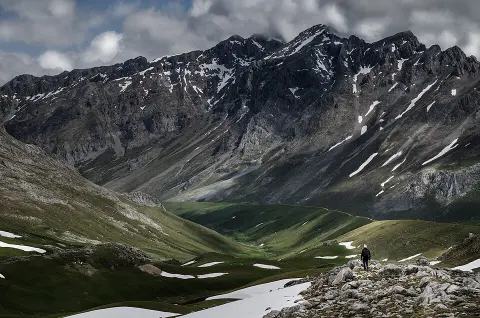
large, flat to dissected plateau surrounded by rugged hills; Pyrenees Mountains in north
Highest point
Pico de Teide (Tenerife) on Canary Islands 3,718 m
Natural resources
coal, lignite, iron ore, copper, lead, zinc, uranium, tungsten, mercury, pyrites, magnesite, fluorspar, gypsum, sepiolite, kaolin, potash, hydropower, arable land
Natural hazards
periodic droughts, occasional flooding volcanism: volcanic activity in the Canary Islands, located off Africa's northwest coast; Teide (3,715 m) has been deemed a Decade Volcano by the International Association of Volcanology and Chemistry of the Earth's Inte…
National symbols
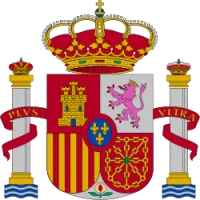
Pillars of Hercules
Driving
Speed limits & road rules in Spain
The default speed limits in Spain are 30 km/h in built-up areas, 90 km/h outside built-up areas and 120 km/h on motorways. The legal alcohol limit for drivers is 0.5‰. Posted signs always take priority over these defaults.
- 2020 km/hResidential zonesLiving streets & residential areas
- 3030 km/hBuilt-up areasTowns and cities
- 9090 km/hOutside built-up areasCountry roadsWith a trailer: 80 km/h
- 120120 km/hMotorwaysMotorways / freewaysWith a trailer: 90 km/h
- International Driving PermitRecognised: 1968 Vienna, 1949 GenevaCarry the IDP together with your national licence
- Driving sideDrive on the rightOvertake on the left
- Alcohol limit0.5‰ blood alcohol (0.05% BAC)0.3‰ for young / novice drivers
- Seat beltsRequired by law
- Child seatsRequired by law
- Motorcycle helmetsRequired for riders
- Road deaths (2021)3.5 per 100,000 peopleSafer than most countries (median 12.4)
Speed limits: OpenStreetMap wiki — Default speed limits (CC BY-SA 2.0). Road-safety laws: WHO Global Health Observatory. Compare speed limits and alcohol limits by country. Defaults for cars; local signs, weather and vehicle type can lower them.
Safety
Is Spain safe to visit?
Spain is generally safe for travellers, but some caution is needed: the US State Department rates Spain Level 2 (“Exercise Increased Caution”), and the UK Foreign Office has no warnings against travel there.
 US State Department
 UK Foreign Office (FCDO)
Latest update: Addition of information about fines for the sale or consumption of nitrous oxide (laughing gas) in some areas of Spain and updated information about travelling between Spain and Gibraltar ('Safety and security' and 'Entry requirements' pages).
Updated 12 Aug 2026 · Full travel advice
Sources: US Department of State travel advisories (public domain) and UK FCDO foreign travel advice (contains public sector information licensed under the Open Government Licence v3.0). Checked daily. Advice can change quickly — always read the official page before you travel.
Weather
Best time to visit Spain
The best time to visit Spain is May and September, when daytime highs in Madrid are around 23–27°C. June and October are also a good time to go. July is the warmest month (34°C by day), January the coldest (-1°C at night), and October the wettest with about 66 mm of rain.
- Jan9°C-1°C
- Feb10°C-1°C
- Mar14°C2°C
- Apr18°C5°C
- May23°C9°C
- Jun30°C14°C
- Jul34°C17°C
- Aug33°C17°C
- Sep27°C13°C
- Oct20°C8°C
- Nov13°C3°C
- Dec9°C-0°C
Best time Good Less ideal
Before you go
Plugs, voltage & emergency numbers in Spain
Plugs & sockets
230 V, 50 Hz · Standard 220–240 V: devices from the US or Japan (110–120 V) need a converter unless they are dual voltage (100–240 V).
Emergency numbers
112 works from any mobile phone, even without a SIM card in most networks. All countries →
Sources: Wikipedia — Mains electricity by country and List of emergency telephone numbers (CC BY-SA 4.0).
Ski resorts
42 ski resorts in Spain
- 921 km of slopes
- 372 lifts
- up to 3,300 m
Biggest: Estació d'Esquí Baqueira-Beret · Estación de Esquí y Montaña de Sierra Nevada · Formigal
National parks
17 national parks in Spain
- 4,814 km² protected
- oldest from 1918
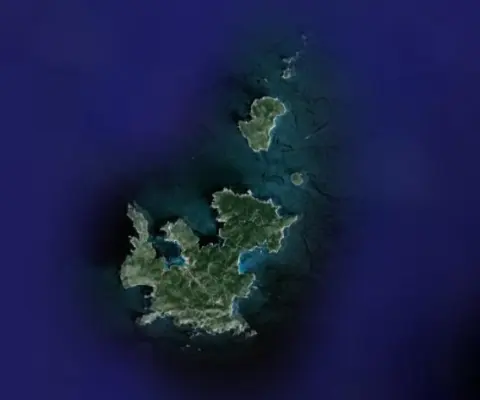
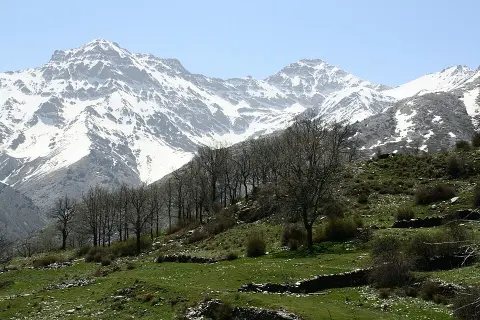
Largest: Cabrera National Park · Sierra Nevada National and Natural Park · Picos de Europa National Park
Currency · 26 October 2026
Euro exchange rates today
Spain uses the Euro (EUR, €). One US dollar buys 0.8911 EUR; over the last 30 days the EUR has lost 1.5% against the dollar.
What other currencies cost in EUR
Currency converter
Daily reference rates from the open-source currency-api (CC0), 26 Oct 2026. Banks and exchange offices add a margin.
World rankings
Where Spain ranks
How Spain compares with the rest of the world — open any card for the full ranking.
Airports
Airports in Spain
552 airports and airfields — 21 large, 34 medium and 310 small, plus 185 heliports. 46 have scheduled passenger flights.


Military
Spanish armed forces
Spain ranks #21 of 145 in the Global Firepower military strength ranking, with a defence budget of $40.2 billion (2025).
People
Population & society
Religion
Largest cities: Madrid (6.8 million), Barcelona (5.7 million), Valencia (838,000)
Economy
Economy
Main industries
textiles and apparel (including footwear), food and beverages, metals and metal manufactures, chemicals, shipbuilding, automobiles, machine tools, tourism, clay and refractory products, footwear, pharmaceuticals, medica…
Export partners
France 15%, Germany 10%, Portugal 9%, Italy 9%, UK 6% (2023)
Top exports
cars, packaged medicine, refined petroleum, vehicle parts/accessories, garments (2023)
Travel tools
Handy before every trip to Spain
Next public holiday
All Saints Day — Sunday, 1 November 2026. Then Constitution Day (6 Dec).
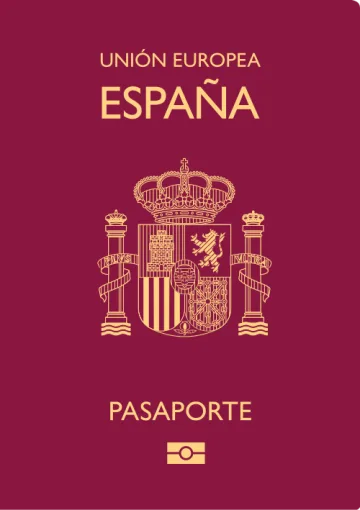
Spanish passport
Ranked #3: 126 countries visa-free, 32 with visa on arrival, 9 with an eTA and 18 with an eVisa.
Spanish passport photo
Exact size, head position and background for Spain's passport and visa photos — make one free with AI checks.
Calling Spain
Dial +34 before the local number. Internet domain .es.
Climate footprint
220.3 million tonnes of CO₂ in 2024 — 4.60 t per person.
Entry requirements
Visa rules for every passport visiting Spain: visa-free stays, eVisas, visas on arrival and documents to bring.
News
Latest travel news about Spain

Russian water polo team plans camps in visa-free Serbia and Montenegro
Russia's men's water polo coach says his squad can travel visa-free only to Serbia and Montenegro, while Hungary, Italy, Spain, France and the Nether…
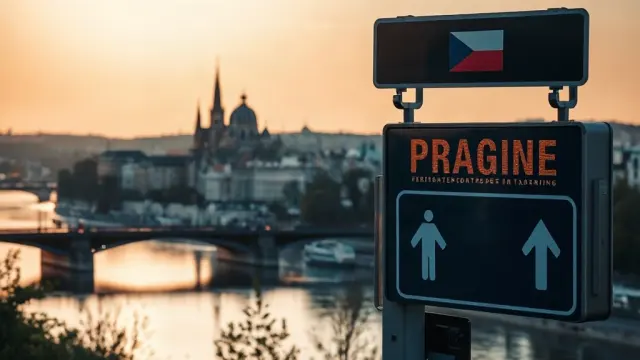
Czechia keeps current Russian visa rules, rejects EU-wide tightening for travellers
Czechia declined to support a Finnish initiative for tighter EU-wide visa restrictions on Russian travellers. Foreign Minister Petr Macinka said Czec…
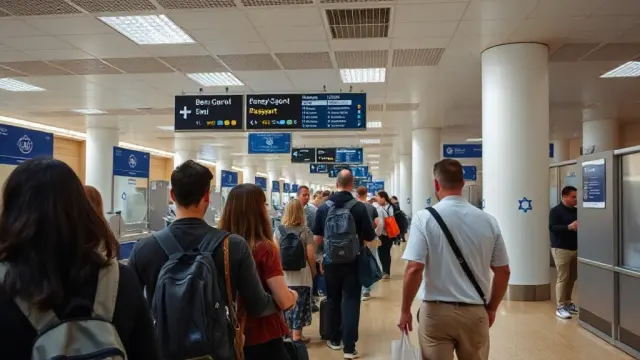
Reporters heading to Israel face denials: Spanish journalist barred hours before flight
Israel revoked the entry permit of a Spanish journalist hours before her flight on Thursday, the news website elDiario.es said. She is the fifth fore…
Frequently asked questions about Spain
What do I need to travel to Spain?
How long must my passport be valid for Spain?
Where is Spain?
What is Spain known for?
What is the capital of Spain?
What language is spoken in Spain?
What currency does Spain use?
What is the calling code of Spain?
Which countries border Spain?
How strong is the Spanish passport?
What is the speed limit in Spain?
Is Spain safe to visit?
When is the best time to visit Spain?
What plug type does Spain use?
How many airports does Spain have?
Sources: CIA World Factbook (public domain); World Bank Open Data (CC BY 4.0); names, languages and currencies: mledoze/countries (ODbL); flag: flag-icons (MIT); coat of arms: Wikimedia Commons (file page); exchange rates: Daily reference rates from the open-source currency-api (CC0); airports: OurAirports.