
 MauritaniaTravel
Survivor Describes Deadly Pakistan-to-Spain Smuggling Route via Mauritania
A Pakistani survivor has described being smuggled through Mauritania towards Spain's Canary Islands in January 2025, on a boat that broke down in the Atlantic. Only 22 of the roughly 85 people on board were rescued.
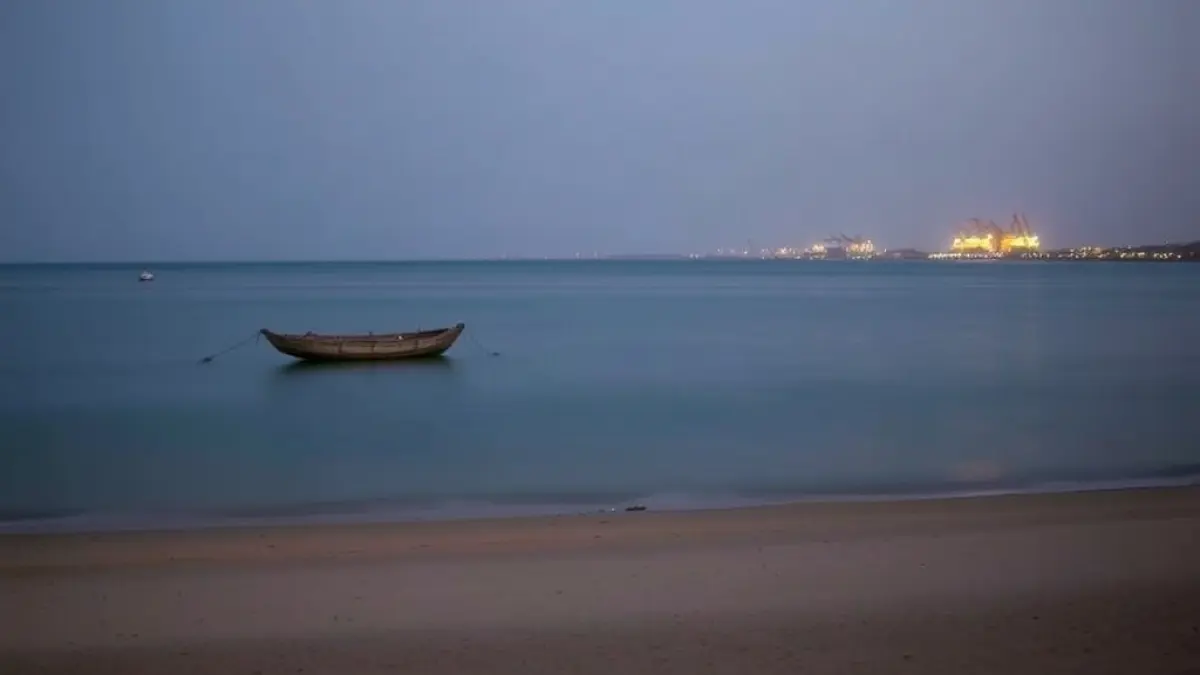
A young Pakistani man, Ali Hassan, has recounted surviving a smugglers' boat that broke down in the Atlantic Ocean after leaving Mauritania for Spain's Canary Islands in January 2025. He was among the few pulled from the vessel alive; most of those on board died during the crossing.
Key facts
- Route used: Pakistan to Dubai, on to Egypt, then Mauritania on a valid visa arranged by an agent, and by sea to El Hierro in the Canary Islands.
- Departure: the boat left from the area of Nouakchott port with around 85 migrants and 10 smugglers on board; most of the men were Pakistani.
- Timing: passengers were told the journey would take three days; the engine failed on the fourth day.
- Rescue: a Moroccan merchant navy ship reached the drifting boat on the fourteenth day; only 22 of the 85 people on board were rescued.
- Cost: two of the men, Atif Shehzad and Sufyan Ali, paid 3.5 million rupees ($12,500) to agents.
What route did the smugglers use?
Ali Hassan, from the town of Phalia in Mandi Bahauddin district, Punjab, told his account at his home in February 2026. He said he flew from Pakistan to Egypt via Dubai and arrived in Mauritania on a valid visa arranged by his agent. An African agent met him there and took him to a safehouse at Nouakchott port, where he waited with other men for a place on a boat to El Hierro, Gran Canaria, Spain.
After weeks in the safehouse with twenty other men, agents arrived at night in two pickup trucks, drove the group to the coast and pushed them into a rickety wooden vessel the smugglers called the "game". The men had no food and no personal belongings.
What happened at sea?
On the fifth day a Pakistani man from Kunjah, Gujrat, collapsed and died. When smugglers tried to throw his body overboard, some passengers objected; the smugglers responded with iron rods and pipes, injuring many, including Ali Hassan, before the body was cast into the sea. Over the following days injured and starving men died, and most bodies were thrown into the water by the smugglers. Ali Hassan watched two of his badly injured cousins die.
On the fourteenth day a Moroccan merchant navy ship spotted the vessel and changed course to rescue those still alive. Ali Hassan, barely breathing, was taken to Morocco, treated in hospital and returned to Pakistan after a month.
What does the account say about Mauritania?
Ali Hassan said several smugglers and agents in Mauritania knew the vessel had not reached El Hierro as expected but told no authorities and showed no interest in the boat's fate. The account calls for intervention by the United Nations, the European Commission and international organisations working against human trafficking and smuggling, and for pressure on West African transit countries. It says Pakistani smugglers involved remain at large, naming Faadi Gujjar as living in Mauritania, and says Pakistani men are being held in 'safehouses' in Mauritania, as confirmed by FIA officials.
What this means for travellers
The account describes an irregular Atlantic crossing in an unseaworthy boat with no food or water, in which most of those on board died before a rescue that came only on the fourteenth day. Anyone offered a sea journey to the Canary Islands from Mauritania through agents is being offered the conditions described here.
The account urges the government of Pakistan to act to prevent more of its nationals falling victim to these networks. No new travel rules or official measures are announced in it.
Also about:  Pakistan
 Spain
 Morocco
 Egypt
 Senegal
 United Arab Emirates