
 JordanTravel
Jordan advisory stays at Level 3 as Houthi regional threat is cited
The U.S. Department of State updated Jordan's travel advisory on 23 October 2026 to reflect increased Iranian-supported Houthi aggression. The level remains Level 3, Reconsider Travel, with several areas marked Do Not Travel.
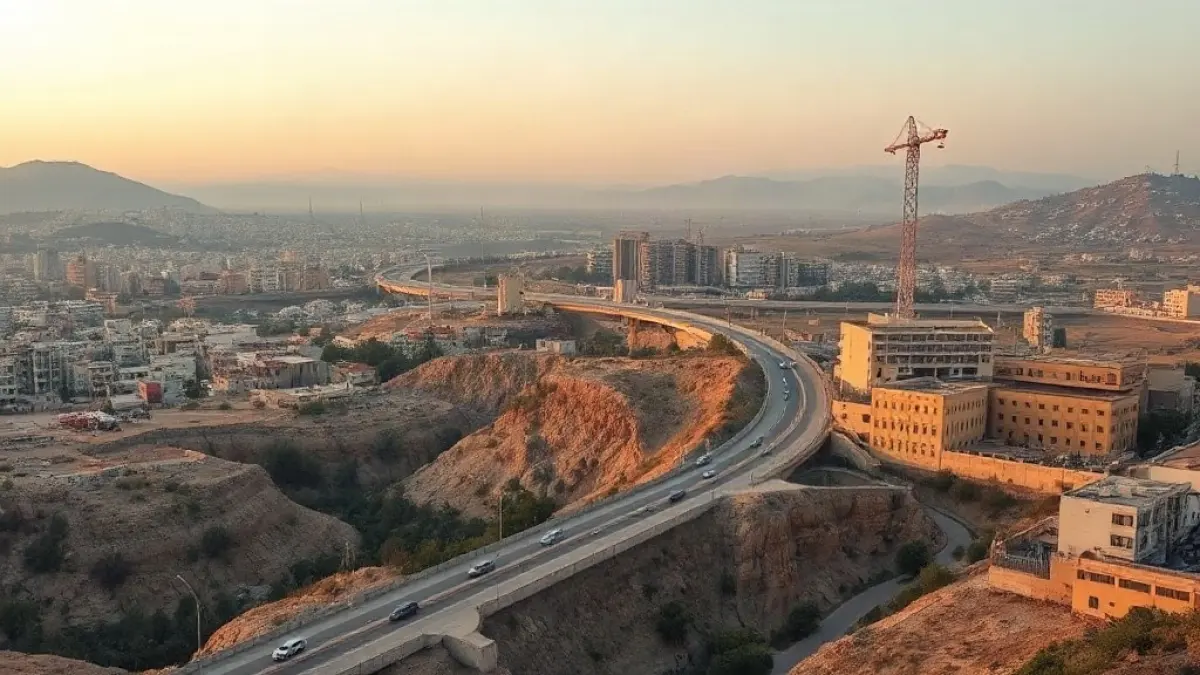
The U.S. Department of State updated its travel advisory for Jordan on 23 October 2026 to take account of the threat of increased Iranian-supported Houthi regional aggression. The advisory level and risk indicators did not change: Jordan remains at Level 3, Reconsider Travel, due to terrorism and armed conflict, with some areas carrying increased risk.
Key facts
- Updated: 23 October 2026; the advisory level was unchanged
- Current level: Level 3 – Reconsider Travel, citing terrorism and armed conflict
- Level 4 – Do not travel: Mansheyat al Ghayyath, Ruwayshid, the Syrian and Iraqi border, Syrian refugee camps, Rusayfah city and the Baqa'a neighbourhood of Ayn Basha
- Heightened risk areas: Zarqa City and Ma'an City/Ma'an Governorate
- Reason for the update: potential armed attacks by Iranian-supported Houthis and Iranian efforts to target U.S. government officials in the region
Why was the advisory updated?
According to the U.S. Embassy in Jordan, the advisory summary was revised to reflect a rise in potential armed attacks by the Iranian-supported Houthis and Iranian efforts to target U.S. government officials in the region. The embassy said there were no changes to the advisory level or to the risk indicators.
The advisory notes that the Houthis have carried out hostilities against Saudi Arabia, including attacks on civilian airports and other critical infrastructure that have caused civilian casualties and severe travel disruptions, and that these hostilities could escalate rapidly beyond that area. It also states that Jordan is relatively stable, but that high regional tensions leave the security environment complex and able to change quickly.
Which areas should travellers avoid?
The advisory lists four places under Level 4 – Do not travel: the towns of Mansheyat al Ghayyath and Ruwayshid and Jordan's border with Syria and Iraq, because of the threat of cross-border violence, terrorism and crime; designated Syrian refugee camps, because of the Government of Jordan's restrictions on entry; Rusayfah city; and the Baqa'a neighbourhood of Ayn Basha, both citing terrorism and crime.
It separately flags heightened risk of terrorism and crime in Zarqa City and in Ma'an city, all areas of Ma'an Governorate east of Highway 15 ("The Desert Highway") and all areas within two kilometres west of that highway. Possible terrorist targets named in the advisory include tourist locations, transportation hubs, markets and shopping malls, and local government buildings.
What restrictions apply to U.S. government employees?
U.S. government employees need special authorization to travel to Jordan, and further staffing adjustments may be made. Official travel near the border must follow embassy restrictions and take place in daylight, and personal travel by U.S. government personnel to the border areas, Rusayfah, Baqa'a and the refugee camps is not authorized.
What this means for travellers
Travellers planning a trip should review the full advisory and check whether their itinerary includes any of the areas marked Do Not Travel before booking. The advisory also recommends enrolling in the Smart Traveler Enrollment Program, having a departure plan for emergencies that does not depend on U.S. government help, staying aware of surroundings, avoiding demonstrations and crowds, monitoring local media, and reviewing local laws and health information before travel.
For aviation questions, the advisory directs travellers to the Federal Aviation Administration's prohibitions, restrictions and notices. U.S. citizens needing assistance can call +1-202-501-4444 from abroad or +1-888-407-4747 from the United States and Canada.
Also about:  United States
 Saudi Arabia
 Syria
 Iraq
 Iran