
 UgandaEntry rules
Kenya Steps Up Ebola Screening at Uganda Border After Traveller Dies
A Kenyan man died of Ebola in Nairobi on 5 October after travelling by road from the Democratic Republic of the Congo through Kampala. Health authorities have stepped up screening at the Busia border post and Nairobi's airport, while several countries maintain entry restrictions.
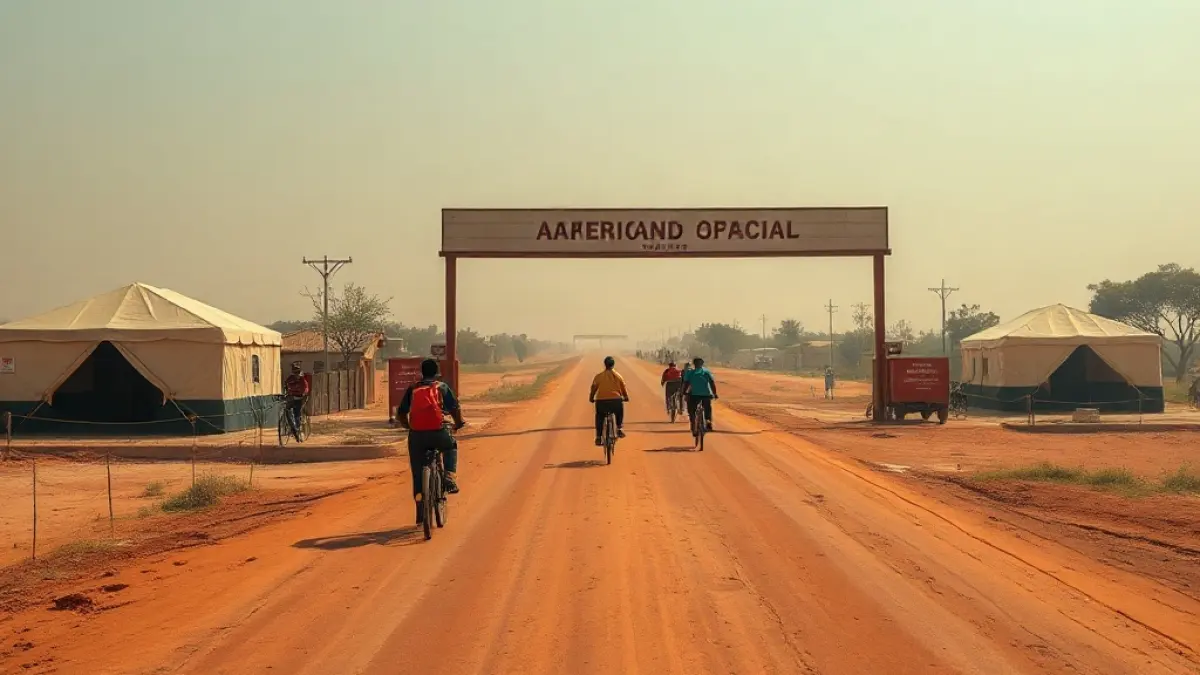
Kenya has stepped up health screening at its land border with Uganda and at Nairobi's main international airport after a traveller who passed through Kampala died of Ebola in hospital in Nairobi. Laboratories confirmed Bundibugyo virus — a species that causes Ebola disease — on 5 October, and the man died that night.
The case is the first imported Bundibugyo virus case identified in Kenya, and it highlights how a traveller can pass through health checks at a land border and an airport before being detected.
Key facts
- 2 October: the man travelled by road from Beni, in the Democratic Republic of the Congo, to Kampala
- 3 October: he flew to Nairobi and passed through airport health screening
- 5 October: Bundibugyo virus confirmed; he died that night
- By 11 October: 122 contacts identified in Kenya, with no further cases found
- Screening has been increased at the Busia One Stop Border Post and at Jomo Kenyatta International Airport
- In May, Canada, Jordan, Bahrain and the United States imposed entry restrictions
What happened on the journey?
The traveller was a 40-year-old Kenyan national who had lived in the Democratic Republic of the Congo for seven years. He had been ill for about a month and had been treated at several Congolese health facilities. The World Health Organization (WHO) considers that he may have acquired Ebola while seeking care for another illness, and his symptoms during travel remain unclear.
After flying to Nairobi on 3 October, he went through airport health screening, where Kenyan officials suggest medication may have masked his symptoms. A relative took him directly to Nairobi Hospital, where he was isolated and tested.
What is happening at borders and airports?
Health authorities have been stepping up Ebola screening at the Busia One Stop Border Post on the Kenya–Uganda border, and officials from Kenya's Ministry of Health have been staffing the arrival screening point at Jomo Kenyatta International Airport. The traveller passed through airport screening before his case was identified in hospital.
Which countries have imposed entry restrictions?
In May, governments including Canada, Jordan, Bahrain and the United States imposed entry restrictions of the kind WHO advises against. The source does not set out which nationalities or routes those restrictions cover, so travellers should confirm current rules before booking.
Why is the outbreak still a concern?
The man was travelling out of what the source describes as the second-largest Ebola outbreak on record. By 10 October it had produced nearly 9,000 confirmed cases and more than 4,300 deaths across seven of the Democratic Republic of the Congo's 26 provinces. More than two-thirds of recent deaths occurred in communities rather than treatment centres, and contact follow-up has fallen to 80%, below the 85% target.
Kenya's own response worked quickly: isolation was immediate, test results came back the same day, WHO was notified within a day, and by 11 October 122 contacts had been identified with no further cases found.
What this means for travellers
Travellers crossing between the Democratic Republic of the Congo, Uganda and Kenya should expect health screening at land border posts such as Busia and on arrival at airports in Kenya. Because border screening is a last line of defence and can miss cases, anyone who becomes ill after travelling in the region should seek care and make their travel history clear to clinicians. Travellers should also check whether their destination has imposed entry restrictions before departure.
Funding for the response remains tight: the WHO–Africa CDC plan for this outbreak was more than US$400 million short in July, and development assistance for health fell an estimated 21% in 2025, its lowest level in 15 years.
Also about:  Kenya
 DR Congo
 Canada
 Jordan
 Bahrain
 United States