
 United StatesEntry rules
US Bars Travellers Recently in South Sudan or Uganda From Entering
Non-US citizens who have been in South Sudan or Uganda in the previous 21 days will not be allowed to enter the United States. All passengers flying to the US must also attest they have not been in DR Congo recently.
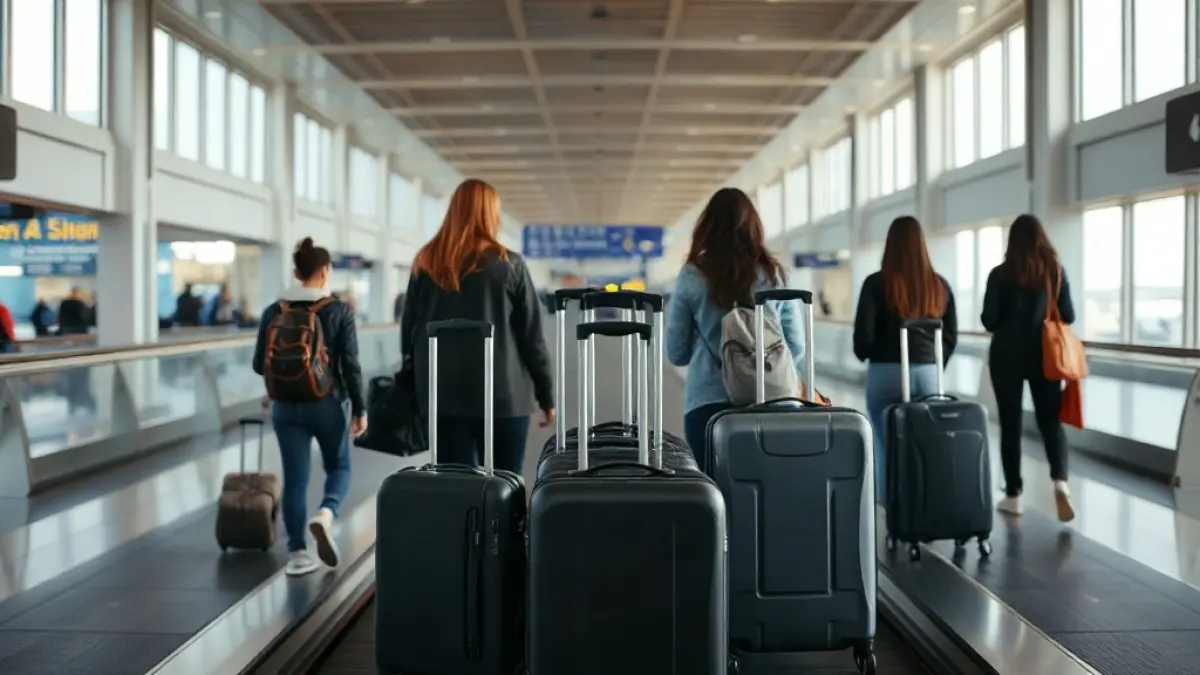
The United States is tightening entry rules for travellers arriving from countries affected by Ebola. Under measures announced by the U.S. Centers for Disease Control and Prevention (CDC), anyone who has been in the Democratic Republic of the Congo (DRC) within 21 days of their flight will be barred from boarding US-bound planes, while non-US citizens recently in South Sudan or Uganda will not be allowed to enter the country.
Key facts
- From 3 November 2026 at 11:59 pm Eastern Standard Time, every passenger boarding an international flight to the United States must sign a statement saying they were not in the DRC in the previous 21 days.
- Anyone in the DRC within 21 days of departure — including US citizens — cannot board flights to the United States.
- Non-US citizens, including US lawful permanent residents (Green Card holders), who were in South Sudan or Uganda within 21 days of departure will not be allowed to enter the United States.
- US citizens arriving from South Sudan or Uganda must enter through three designated airports: Washington-Dulles (IAD), Atlanta (ATL) and New York JFK.
- Travellers must monitor their health for 21 days after leaving DRC, South Sudan or Uganda.
What is changing?
Every air passenger boarding a flight into or connecting through the United States must attest, by signing a statement, that they have not been present in the DRC during the 21 days before their flight leaves for the US. The requirement covers passengers transiting through the DRC on a connecting flight, whether or not they leave the aircraft or the airport.
Separately, entry restrictions apply to people who have recently been in South Sudan or Uganda. Those restrictions also apply to travellers whose aircraft merely stopped at an airport in those countries, regardless of whether they disembarked.
Who is affected?
Travel from the DRC affects everyone equally: travellers who have been there within 21 days, including US citizens and US nationals, will not be permitted to board a US-bound flight until 21 days after they leave the country. They can return on day 22.
For South Sudan and Uganda, the rules differ by citizenship. Non-US citizens and non-US nationals, including Green Card holders, will not be allowed to enter the United States until 21 days after leaving either country. US citizens and US nationals who were in South Sudan or Uganda — and not in the DRC — within 21 days before arrival may enter, but only through designated airports.
When do the new rules start?
The attestation requirement applies to passengers boarding flights after 3 November 2026, 11:59 pm Eastern Standard Time. The CDC guidance does not state a separate end date for any of the measures.
What happens when I arrive in the United States?
US citizens and nationals rerouted from South Sudan or Uganda are screened at Washington-Dulles International Airport (IAD), Hartsfield-Jackson Atlanta International Airport (ATL) or John F. Kennedy International Airport (JFK). The CDC says airlines should be able to rebook flights if needed.
At screening, travellers are escorted to a screening area, complete a short questionnaire on travel history and symptoms, have their temperature checked, are observed for signs of illness, and are enrolled in automated text messages reminding them to monitor their health for 21 days. Some travellers face an additional assessment based on where they travelled and what they did. Travellers without symptoms generally continue to their destination; those with a fever or other symptoms consistent with Ebola are evaluated by a CDC medical officer and, if Ebola is suspected, transferred to a hospital for evaluation, isolation and care.
What should I do after travel?
The CDC advises monitoring your health for 21 days after leaving DRC, South Sudan or Uganda, watching for symptoms such as a fever of 100.4°F (38°C) or higher, headache, body aches, rash, weakness, sore throat, diarrhoea, vomiting, stomach pain or unexplained bleeding or bruising. Travellers who were in the DRC should take their temperature daily; those who were in South Sudan or Uganda should take it if they feel sick.
The agency recommends staying in the United States and avoiding international and cruise travel during the 21-day monitoring period. Anyone travelling domestically or internationally during that period should notify their health department first.
What this means for travellers
Travellers should check where they have been in the previous 21 days before booking or boarding a US-bound flight. Anyone still within the 21-day window after leaving the DRC, South Sudan or Uganda will need to wait until it ends before travelling to the United States. Those who fall ill should isolate, call their local health department or healthcare provider before seeking care, and not travel until cleared.
Travellers who have been outside the DRC, South Sudan or Uganda for more than 21 days and need help with a public health travel restriction can contact the CDC address provided in its guidance. Americans needing consular help can call the Department of State on +1-888-407-4747 from the US and Canada, or +1-202-501-4444 from elsewhere.
Also about:  DR Congo
 South Sudan
 Uganda