
 United StatesEntry rules
US-bound air travellers face new Ebola attestation from 3 November
All airline passengers flying to the United States must file a digital or paper attestation from 3 November confirming they have not been in the Democratic Republic of Congo in the previous 21 days, under a new order from the US Centers for Disease Control and Prevention.
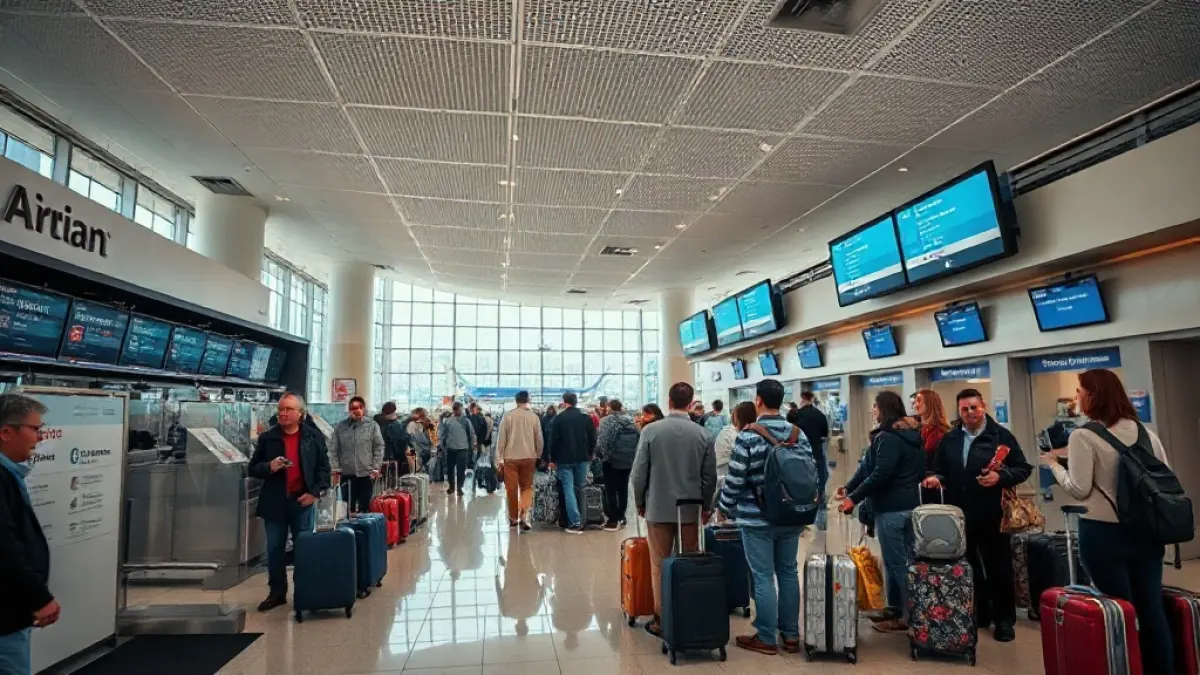
Airline passengers heading to the United States will have to complete a new declaration from 3 November confirming they have not been in the Democratic Republic of Congo (DRC) during the previous 21 days. The requirement comes in a new order from the US Centers for Disease Control and Prevention (CDC) and applies to every US-bound passenger, regardless of nationality.
Key facts
- The new CDC order takes effect on 3 November.
- It covers all US-bound airline passengers.
- Passengers must file a digital or paper attestation stating they were not in the DRC in the prior 21 days.
- CDC rules since May bar airline passengers who have been in the DRC in the previous three weeks; those restrictions were extended to US citizens in July.
- Since earlier this year, foreign nationals who have been in Uganda or South Sudan in the previous three weeks have also been barred from the US.
What is changing?
Until now, the US measures were based on where travellers had been. The new order adds a formal step: every passenger must attest — digitally or on paper — that they have not visited the DRC in the past 21 days. A US government memo outlining the measure said the government would increase efforts to prevent entry by people exposed to Ebola.
Implementation detail remains limited. The CDC is holding briefing calls with major US and foreign airlines on Friday to explain how carriers should comply with the requirements. Airlines for America, which represents United Airlines, American Airlines, Southwest Airlines and Delta Air Lines, did not immediately comment.
Who is covered by the existing restrictions?
The CDC adopted rules in May barring airline passengers who had been in the DRC — the centre of the 2026 outbreak — in the previous three weeks. In July, those restrictions were extended to US citizens. Separately, since earlier this year the CDC has barred foreign nationals from the US if they have been in Uganda or South Sudan in the prior three weeks.
Why is this happening?
The Bundibugyo strain of the virus circulated undetected for months before the outbreak was declared in May. It kills about half of those infected and has no approved treatment or vaccine. The outbreak has so far killed about 4,700 people in Africa, according to the Africa CDC. The CDC said no Ebola cases linked to this outbreak have been reported in the United States.
What this means for travellers
- Every passenger flying to the US will need to complete the attestation, in digital or paper form, once the order starts on 3 November.
- Travellers who have been in the DRC in the previous three weeks fall under the existing CDC entry bar.
- Foreign nationals who have been in Uganda or South Sudan in the previous three weeks are also barred from the US.
- Check where you have travelled in the past three weeks before booking or flying to the United States.
The order takes effect on 3 November. The airline briefings scheduled for Friday are expected to spell out how carriers will process the attestations, though few further details have been released so far.
Also about:  DR Congo
 Uganda
 South Sudan