
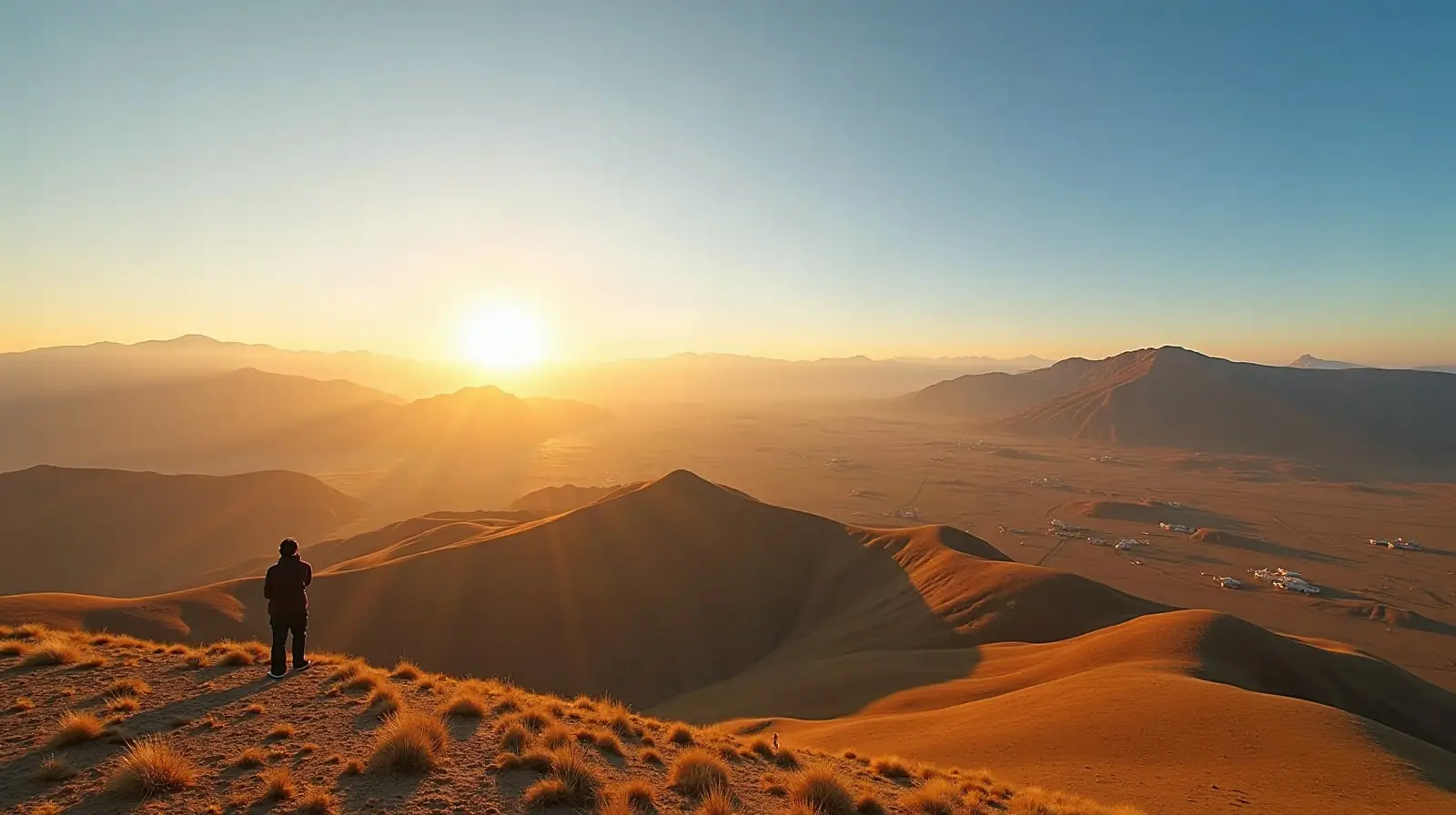
National parks · 13 parks
 National Parks in Bolivia
Bolivia has 13 national parks covering about 63,942 km² in total. The largest is Madidi National Park and Integrated Management Natural Area (18,958 km²); the oldest, Sajama National Park, dates from 1938.
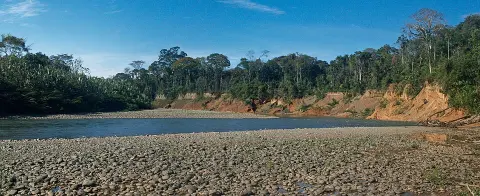 Madidi National Park and Integrated Management Natural Area18,958 km² · since 1995
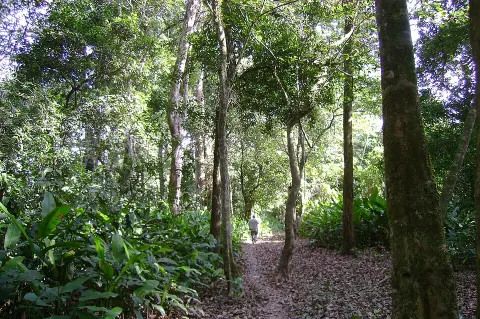 Isiboro Sécure National Park and Indigenous Territory12,363 km² · since 1965
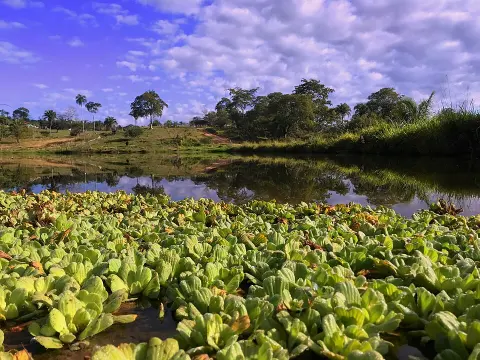 Otuquis National Park and Integrated Management Natural Area10,060 km² · since 1997
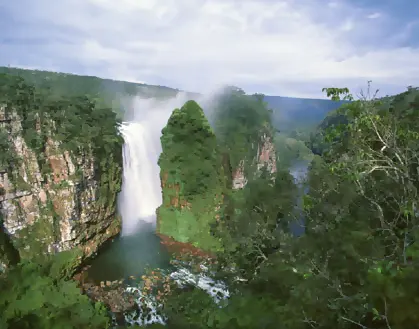 Noel Kempff Mercado National Park7,500 km² · since 1979
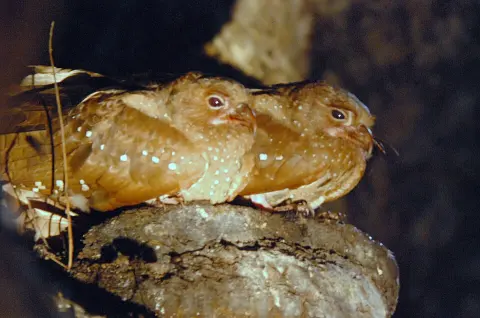 Carrasco National Park6,226 km² · since 1991
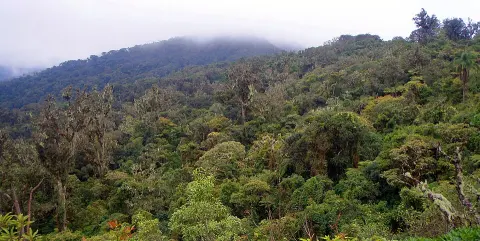 Amboró National Park4,425 km² · since 1973
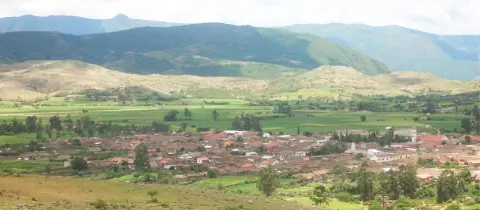 Iñao National Park and Integrated Management Natural Area2,631 km² · since 2004
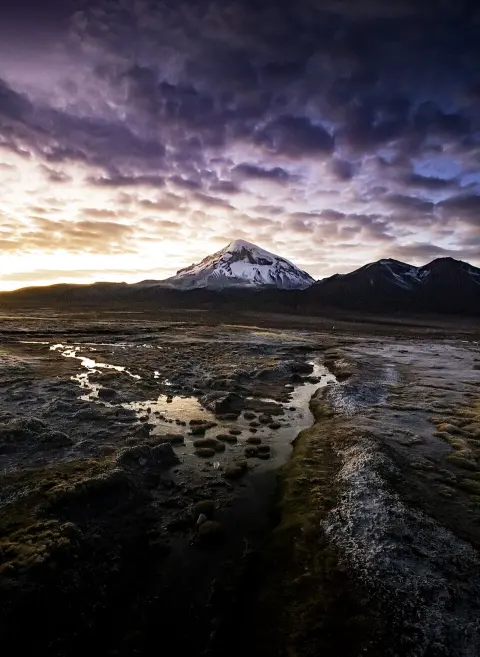 Sajama National Park1,002 km² · since 1938
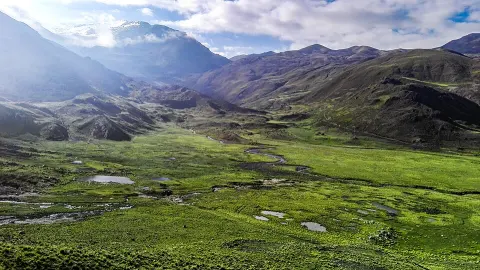 Cotapata National Park and Integrated Management Natural Area613 km² · since 1993
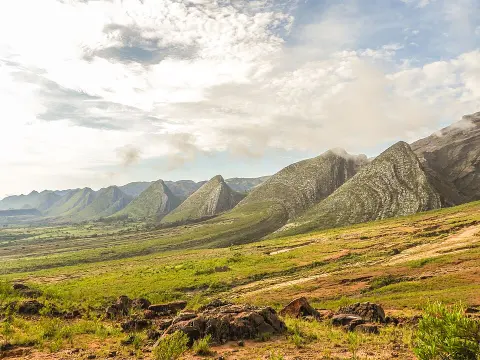 Toro Toro National Park165 km² · since 1989
Llica National ParkNational park
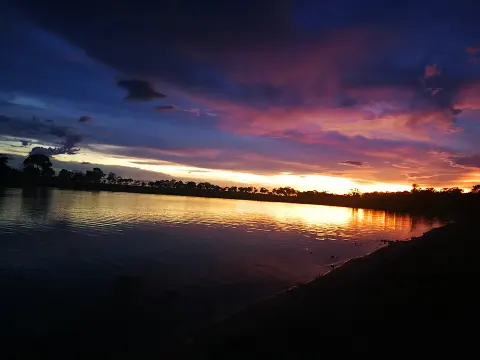 San Matías Integrated management natural areaNational park
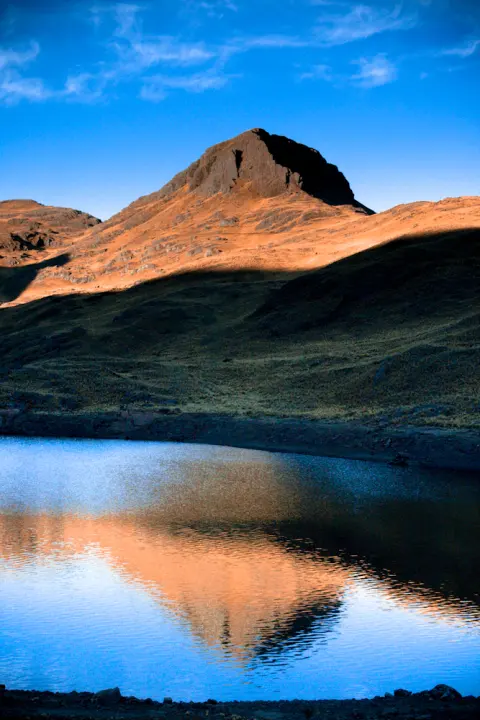 Tunari National Parksince 1992
No park matches your search.
Data: Wikidata (CC0), English Wikipedia and Wikimedia Commons. Photos under their Commons licences — the author is credited on each park page.
National parks in Bolivia at a glance
Bolivia has 13 national parks covering about 63,942 km² — roughly 5.8% of the country's 1,098,581 km². The 3 largest parks together account for 65% of that area.
Largest national parks
- Madidi National Park and Integrated Management Natural Area — 18,958 km², since 1995
- Isiboro Sécure National Park and Indigenous Territory — 12,363 km², since 1965
- Otuquis National Park and Integrated Management Natural Area — 10,060 km², since 1997
- Noel Kempff Mercado National Park — 7,500 km², since 1979
- Carrasco National Park — 6,226 km², since 1991
Oldest national parks
- Sajama National Park — established 1938
- Isiboro Sécure National Park and Indigenous Territory — established 1965
- Amboró National Park — established 1973
- Noel Kempff Mercado National Park — established 1979
- Toro Toro National Park — established 1989
Planning a trip? See the best time to visit Bolivia, the Bolivia travel guide and airports in Bolivia.
Frequently asked questions
How many national parks are there in Bolivia?
Bolivia has 13 national parks covering about 63,942 km² in total. The largest is Madidi National Park and Integrated Management Natural Area (18,958 km²); the oldest, Sajama National Park, dates from 1938.
What are the largest national parks in Bolivia?
Madidi National Park and Integrated Management Natural Area (18,958 km²), Isiboro Sécure National Park and Indigenous Territory (12,363 km²), Otuquis National Park and Integrated Management Natural Area (10,060 km²), Noel Kempff Mercado National Park (7,500 km²) and Carrasco National Park (6,226 km²).
How much of Bolivia is national park?
About 5.8% of the country — 63,942 km² of national parks out of 1,098,581 km² in total.
What is the oldest national park in Bolivia?
Sajama National Park, established in 1938, followed by Isiboro Sécure National Park and Indigenous Territory (1965), Amboró National Park (1973) and Noel Kempff Mercado National Park (1979).