
 AngolaTravel
Angola's New Mega Airport Struggles to Attract Passengers
Angola's Dr. António Agostinho Neto International Airport, completed nearly three years ago, is underutilized, handling only a fraction of its capacity. The airport's future relies on improving connectivity and attracting more airlines.
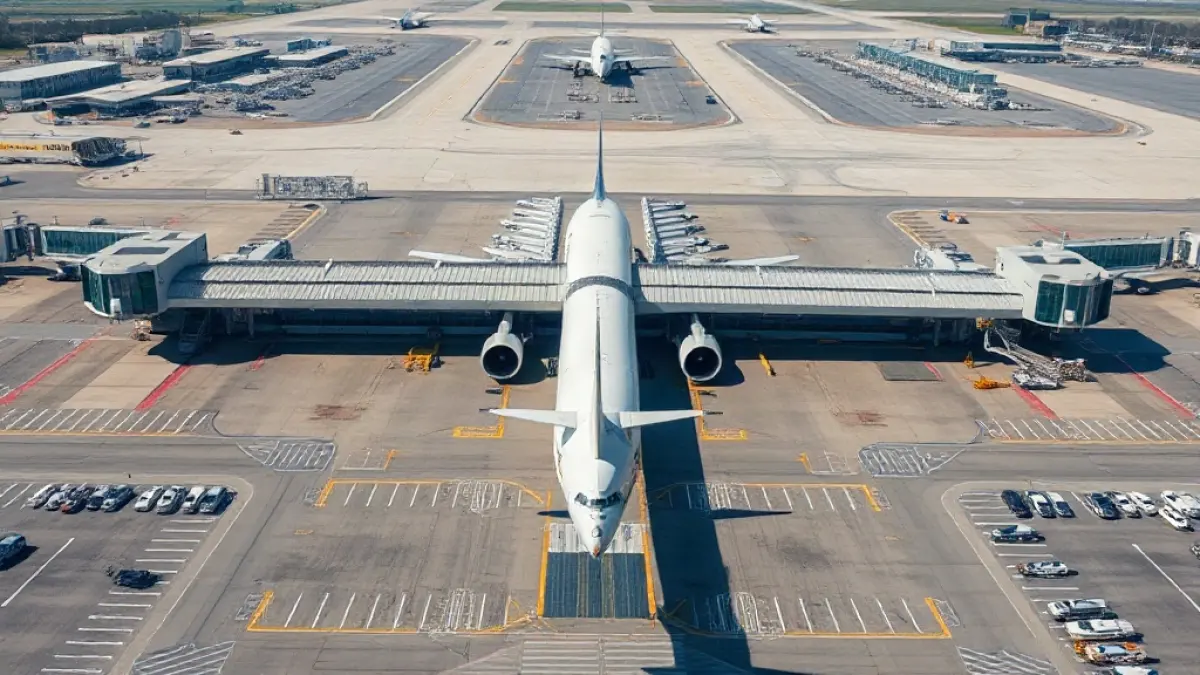
Angola's Dr. António Agostinho Neto International Airport (AIAAN), a $3.8 billion project, has been largely underused since its opening nearly three years ago. Despite its significant capacity to handle 15 million passengers annually, the airport recorded just 756,000 passengers in 2025, which is a mere 5% of its potential.
Current Situation of the Airport
Located about 40 kilometers from Luanda, AIAAN was built to replace the aging Quatro de Fevereiro International Airport, which struggled with congestion and limited capacity. The new facility was designed to accommodate the growing demand for air travel in Angola and to position Luanda as a regional aviation hub. However, the anticipated traffic has not materialized, leading to the departure of several international airlines, including Turkish Airlines.
Challenges in Connectivity
One of the primary issues facing AIAAN is the lack of a robust airline network. While the airport can handle a large volume of passengers, the necessary connections to other destinations are not fully developed. Many African capitals lack direct flights from Luanda, forcing travelers to endure long layovers, which diminishes the airport's attractiveness as a connecting point.
Future Prospects
Despite the current challenges, there are efforts underway to enhance the airport's operations and connectivity. Local airlines are working on partnerships to expand their reach and improve service offerings. The temporary operator of AIAAN anticipates that passenger numbers will increase as the airport continues to transition to full operations.
With a growing domestic market and economic potential, Angola's new airport has the capacity to become a significant player in regional air travel, provided it can successfully build the necessary airline infrastructure and connectivity.