
 AustraliaVisas
Australia student visas in 2026: work rights, rents and bed shortage
International students in Australia keep work rights of 40 hours per fortnight and two to four years of post-study work access, but purpose-built accommodation covers only about 7% of tertiary students and studio rents keep climbing.
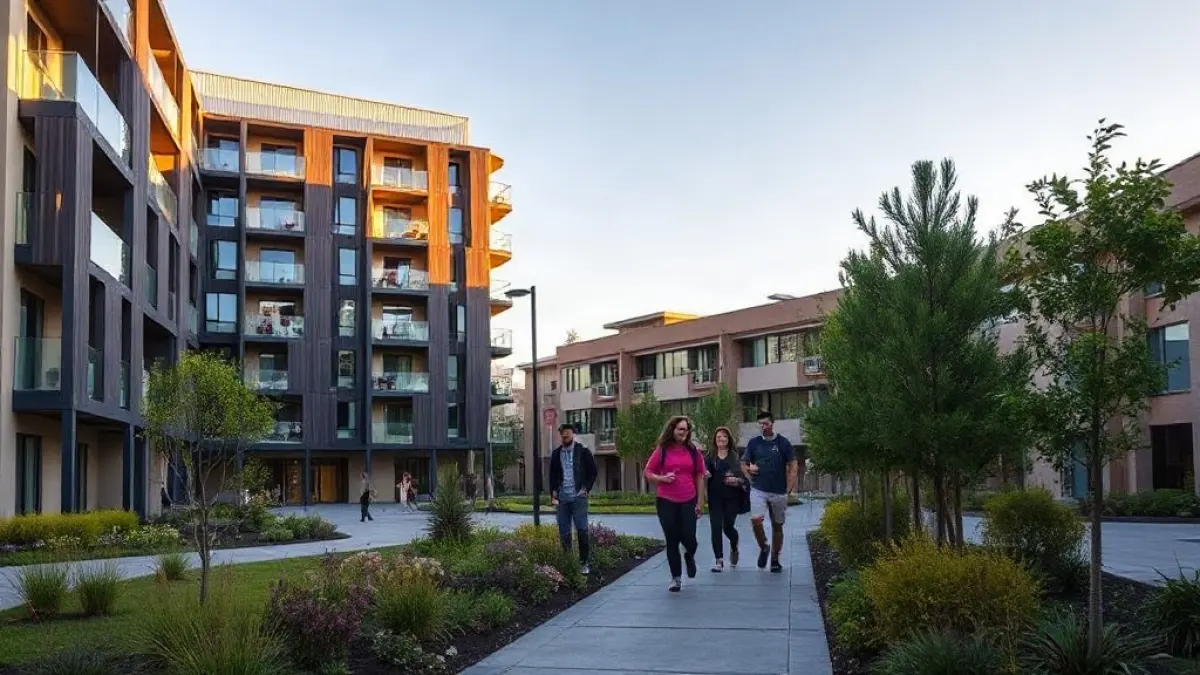
International students heading to Australia can still work during their degrees and stay on afterwards for up to several years — rules that have held steady while Canada, the United States and the United Kingdom have tightened their own schemes. An analysis of the sector by property advisory firm JLL also warns that student accommodation remains scarce and rents in Brisbane, Sydney and Melbourne continue to rise.
Key facts
- Australia recorded 295,000 international student commencements under managed growth settings, with arrivals 30% above pre-pandemic levels
- Students may work 40 hours per fortnight during study and unlimited hours during breaks, plus two to four years of post-study work access
- Purpose-built student accommodation houses about 7% of tertiary students, the lowest rate among developed nations
- Studio rents across Brisbane, Sydney and Melbourne grew 5.3%–6.8% a year in the five years to 2026
- Proposed migration changes, including substantial cuts to post-study work visas, are flagged as a headwind
What can students work while studying?
Current arrangements give university students work rights of 40 hours per fortnight during study and unlimited hours during breaks, along with two to four years of post-study work access, according to the analysis. Students on multi-year degrees are described as a stable, high-value tenant base for accommodation operators.
Those terms have been maintained despite what the analysis calls record-high visa costs and political pressure to curtail post-study work rights. It notes that proposed migration policy changes, including substantial cuts to post-study work visas, present a headwind, particularly for institutions reliant on South Asian cohorts. No figure is given for current visa charges.
How hard is it to find accommodation?
Purpose-built student accommodation (PBSA) covers roughly 7% of Australia's tertiary students, compared with 33%–88% across mature Western markets, the analysis says. Operational supply stands at 128,600 beds, split between 56,000 on-campus and 73,000 off-campus.
A development pipeline of 41,300 beds is under way — 19,800 under construction and 21,500 with planning approval, with Melbourne alone counting 5,100 beds under construction. Even so, JLL forecasts an average annual shortfall of about 35,000 beds through 2030. In the five years to 2026, average rents for a sample of student accommodation studios across Brisbane, Sydney and Melbourne grew at a compound annual rate of between 5.3% and 6.8%, with Brisbane recording the strongest growth.
Why are more students choosing Australia?
Student visa restrictions elsewhere are redirecting flows toward Asia Pacific, the analysis says. Canada cut arrivals by 60% through enrolment caps over 2024–2025, the US reduced student visa issuances by 36% in 2026, and the UK has tightened graduate visa access.
Australia held steady at 295,000 international student commencements, with arrivals 30% above pre-pandemic levels. While Chinese students remain a major cohort, the nationality base has broadened toward South and Southeast Asia — Bangladesh, Vietnam, Sri Lanka and Indonesia. Nine Australian universities are in the QS World University Rankings top 100, and Melbourne and Sydney rank in the global top six student cities.
What this means for travellers
Students planning to study in Australia should factor a tight accommodation market into their plans, given the projected bed shortfall and sustained rent growth in Brisbane, Sydney and Melbourne. Anyone relying on part-time work or post-study employment should check the conditions attached to their visa and monitor proposed changes to post-study work rights before making long-term plans.
The analysis reflects market conditions as of mid-2026 and says the structural bed shortage should sustain demand through the current cycle. Further migration policy decisions on post-study work visas remain the development to watch.
Also about:  Canada
 United States
 United Kingdom