
 BoliviaTravel
Bolivia's Fuel Shortages and Roadblocks: What Travellers Should Know
Bolivia's persistent fuel shortages, roadblocks and violence along the Brazilian border continue to affect road transport as President Rodrigo Paz completes his first year in office on 8 November 2026.
President Rodrigo Paz completed his first year in office on 8 November, reviewing his record with EFE at the Ibero-American Summit in Madrid. For anyone planning overland travel in Bolivia, the practical picture includes persistent fuel shortages, roadblocks that paralysed roads in May and June, and recurring violence along the Brazilian border.
Key facts
- Paz reached one year in office on 8 November 2026.
- Fuel shortages persist, and some poor-quality fuel damaged vehicles.
- Roadblocks in May and June caused estimated economic losses of more than $3 billion.
- The government partially withdrew fuel subsidies, moved toward a flexible exchange rate and secured a $1.9 billion financing agreement with the International Monetary Fund (IMF).
- In October, Chilean President José Antonio Kast made the first official state visit to La Paz by a Chilean president in 71 years.
What is happening with fuel?
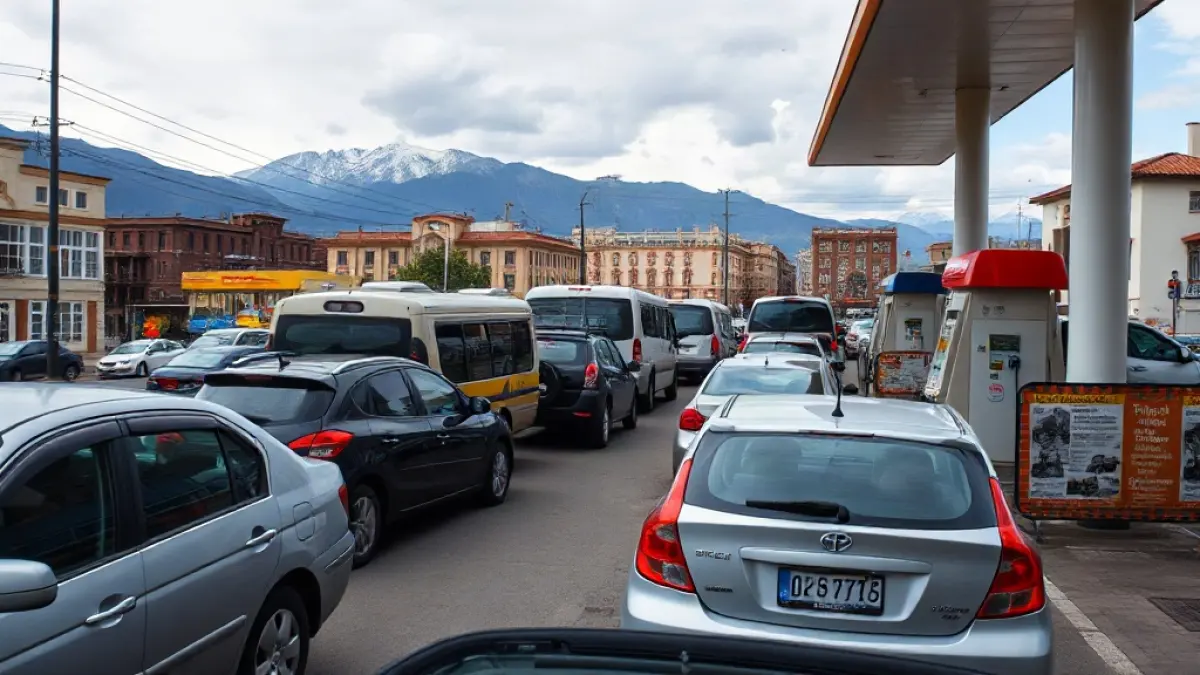
Shortages have continued even for drivers who manage to find petrol, and poor-quality fuel has damaged vehicles, leaving drivers with repair bills on top of uncertain supplies. The government has intervened at the state oil company, YPFB, and at the agency that oversees hydrocarbons.
Gas production has declined, leaving the country with fewer export dollars to buy fuel abroad. Paz partially withdrew fuel subsidies, shifted Bolivia away from a fixed exchange rate toward a flexible one, and secured the $1.9 billion IMF agreement to give the government access to dollars.
Have roads been disrupted?
Two major rounds of protests drew the Bolivian Workers' Center, rural organisations and supporters of former president Evo Morales. The worst roadblocks, in May and June, caused estimated economic losses of more than $3 billion, with trucks left standing idle and deliveries of perishable crops missed.
What is the security situation near the Brazilian border?
Contract killings became recurrent around the time of the March capture of Uruguayan trafficker Sebastián Marset, who was subsequently sent to the United States. Bolivian authorities attribute the violence to territorial disputes involving Brazilian criminal organisations, including Primeiro Comando da Capital and Comando Vermelho.
Investigations have reached the top of Bolivia's justice system. In October, authorities jailed and removed Attorney General Roger Mariaca, whom the government accused of running a criminal organisation that protected drug traffickers; Washington had revoked his visa days earlier. Supreme Court President Romer Saucedo later left Bolivia, saying he faced persecution, and investigators are examining his role in the same case.
Have Bolivia's international ties changed?
In October, Chilean President José Antonio Kast visited La Paz in the first official state visit by a Chilean president in 71 years, while Bolivia maintained its longstanding claim to sovereign access to the Pacific. Paz also joined the Shield of the Americas initiative promoted by President Donald Trump's administration and renewed U.S. cooperation against drug trafficking.
What this means for travellers
Road journeys in Bolivia can be affected by fuel availability and by protest roadblocks, so travellers should factor both into overland plans and allow extra time. The source reports no changes to visa or entry rules for foreign visitors.
Domestically, Vice President Edmand Lara declared himself an opponent in December, businessman Samuel Doria Medina withdrew his support in August, and opposition leader Jorge "Tuto" Quiroga criticised the pace of reform. Prosecutors have appointed a commission to establish the authenticity of recordings involving Argentine consultant Fernando Cerimedo, who faces at least four criminal cases in Bolivia and is in pretrial detention in two.
Also about:  Chile
 Brazil
 United States