
 Burkina FasoPassports
Burkina Faso Begins Free Biometric ID Drive With 12-Digit Citizen Number
Burkina Faso has started a free nationwide registration drive giving each citizen a permanent 12-digit biometric identification number. The scheme does not replace existing national ID cards or passports.
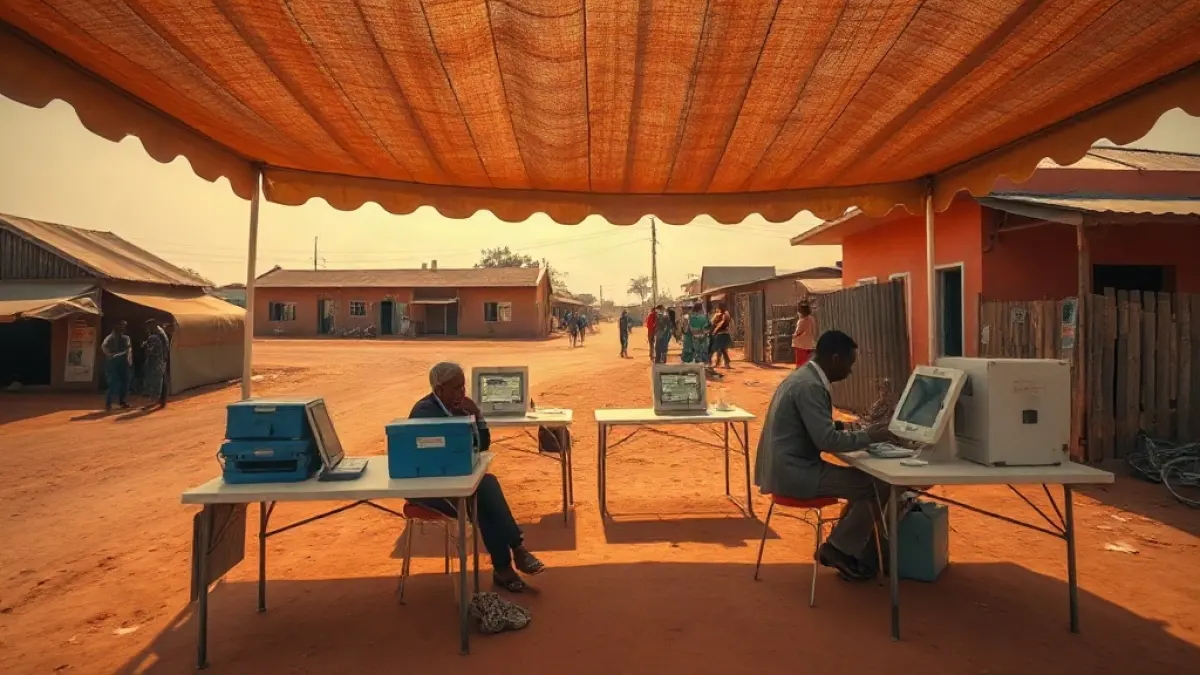
Burkina Faso has launched a nationwide registration drive that assigns every citizen a permanent 12-digit electronic identification number. President Ibrahim Traoré became the first person enrolled on 11 November 2026, formally starting the mass exercise, which the government says will modernise public administration and tighten control over identity data.
Key facts
- Registration began on 11 November 2026, with President Ibrahim Traoré the first person enrolled.
- Each registered person receives a permanent 12-digit identification number.
- Enrolment is free.
- The government plans to deploy 966 registration kits progressively across the country.
- The number does not replace existing national identity cards or passports.
What is changing?
Every person registered in the new system receives a permanent 12-digit number intended as a common reference across government institutions. The aim is to let public bodies verify individuals through a shared national database rather than through separate records.
The registration process collects both biographical and biometric information: facial images, all 10 fingerprints and both irises. According to the government, capturing this data is intended to prevent duplicate identities.
How do I register, and what does it cost?
Enrolment is free. Burkina Faso's state news agency, AIB, reported that the government plans to roll out 966 registration kits across the country in stages. Mobile teams are also expected to reach internally displaced people, older citizens and people with disabilities. No completion date for the rollout has been announced.
Does this change passports or travel documents?
No. The new identifier is not a replacement for existing national identity cards or passports. It is a separate national project, distinct from the shared biometric identity card of the Alliance of Sahel States (AES), the bloc formed by Burkina Faso, Mali and Niger.
The AES card was first launched in Burkina Faso in December 2025, when President Traoré became its first recipient. Niger followed in March 2026, with President Abdourahamane Tiani the first Nigerien to be enrolled and issued the document. The bloc's common travel document system was launched in July 2026. The AES documents were introduced to harmonise identity systems, ease movement between member states and strengthen regional security and economic exchanges.
Where is the data stored?
The government says the information will be held in data centres inside Burkina Faso and managed by Burkinabè engineers, presenting the project as part of its digital sovereignty agenda.
What this means for travellers
The scheme concerns how Burkina Faso identifies its own citizens and does not change the identity cards or passports currently in use. Travellers should simply note that the national electronic register and the shared AES card are two separate systems running in parallel.
The government says the 966 registration kits will be deployed progressively. No timetable for completing the national rollout has been given.
 Mali
 Niger