
 ChinaVisas
No China migrant-worker policy announced yet: nothing to change for Honduras travellers
An analysis of China's demographic decline argues the country could eventually recruit foreign workers at scale, competing with Japan, South Korea and Singapore. No such policy or timeline has been announced.
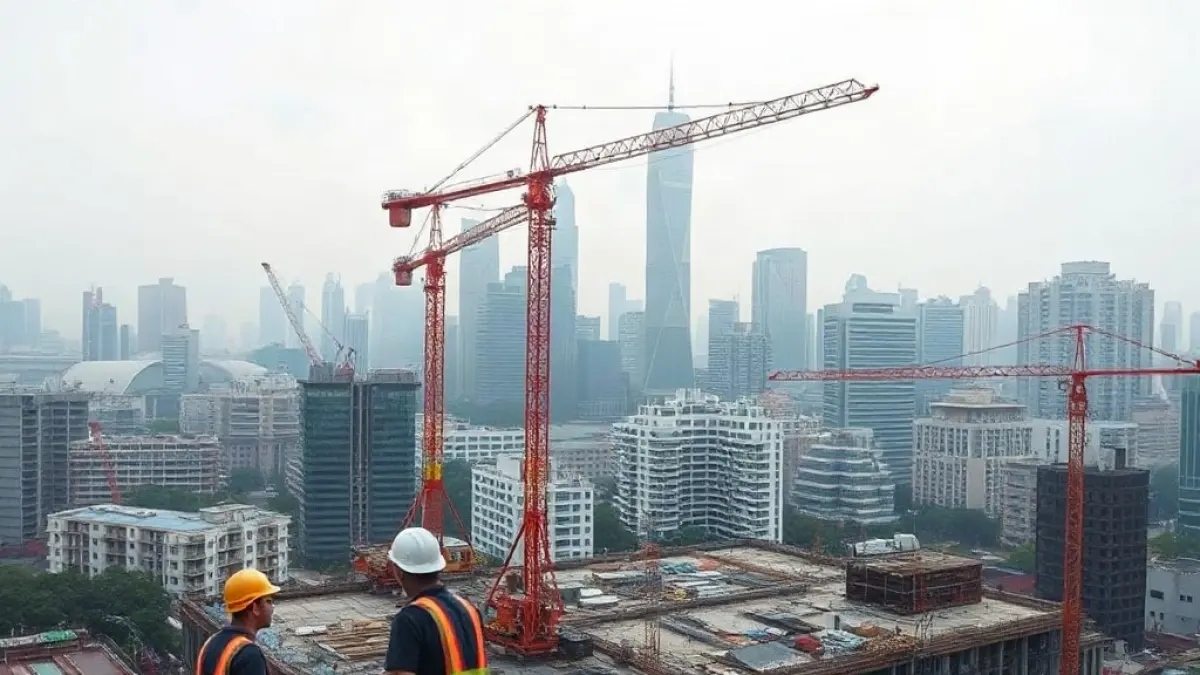
China could eventually start recruiting foreign workers in significant numbers to offset a shrinking and ageing workforce, according to an analysis of the country's demographic and labour trends. The assessment argues that such a shift is not imminent, but that it would put Chinese employers in direct competition with Japan, South Korea and Singapore for workers from across Asia.
Key facts
- China's population fell for a fourth consecutive year in 2025
- The number of employed people declined to 725 million from 740 million in 2023
- About 85 million migrant workers were already over 50 in 2022
- The 2020 census counted 845,697 foreigners in China
- China's new K visa targets young foreign professionals in science and technology
- No scheme to import workers on a large scale has been announced
Why could China begin importing workers?
For decades China was one of the world's largest sources of migrant labour, supplying workers to factories at home and to infrastructure projects abroad. That pattern may eventually reverse as the population contracts: it fell for a fourth consecutive year in 2025, while the number of employed people dropped to 725 million from 740 million in 2023.
The rural migrants who filled factory and construction jobs are ageing, with about 85 million migrant workers already over 50 in 2022 — almost twice the proportion a decade earlier. At the same time, younger Chinese are often reluctant to accept lowly paid, physically demanding or insecure work, the analysis notes.
What is China doing for now?
No move to admit large numbers of foreign workers is described as imminent. China still has a vast labour force and substantial youth unemployment, and it is investing in industrial automation, gradually increasing the retirement age and trying to shift workers from regions with surplus labour to where employers struggle to recruit.
Beijing is already competing for elite talent: its new K visa targets young foreign professionals in science and technology. Recruiting engineers and researchers is politically easier than admitting carers, technicians, service workers or factory employees, the analysis argues, because the latter would require wider changes to work permits, social insurance, family rights and long-term residence.
How does China compare with its neighbours?
Japan's foreign workers reached a record 2.57 million in October last year. South Korea has been expanding its Employment Permit System to recruit workers for smaller manufacturers, farms and other sectors, while Singapore's foreign workforce hit 1.91 million in June last year, supporting construction, shipyards, processing industries and domestic care.
China remains a very small immigration destination relative to its population: the 2020 census counted only 845,697 foreigners, and public opposition to expanded permanent residence rules that year showed how quickly the issue can become politically charged.
How could this affect workers across Asia?
Chinese employers would compete for many of the same people already recruited from Vietnam, Indonesia, the Philippines and other Asian countries by Japan, South Korea and Singapore. The analysis suggests this could raise wages and recruitment costs regionally and strengthen the hand of labour-sending governments on workplace protections, placement fees and enforcement against abuse. It also notes that language barriers, limited settlement pathways, internet restrictions and concerns about legal protection could make China a less attractive destination.
What this means for travellers and workers
No start date, application route or quota for importing workers has been announced. The analysis expects any change to be gradual and experimental — for example bilateral agreements, employer sponsorship in designated sectors or provinces, and programmes presented as temporary — with care work a possible early pressure point.
For anyone considering working in China, the only concrete new route identified in the analysis is the K visa for young science and technology professionals. Timing of any wider opening would depend on economic conditions, and the analysis stresses that a prolonged slowdown could postpone shortages rather than remove them.
Also about:  Japan
 South Korea
 Singapore
 Vietnam
 Indonesia
 Philippines