
 Côte d'IvoireTravel
Safety in Côte d'Ivoire: Advisories, Health Warnings and Practical Advice
The U.S., Canada and the UK all urge caution in Côte d'Ivoire, with border areas flagged as higher risk. Health authorities also list polio and measles notices and recommend malaria medication and routine vaccinations.
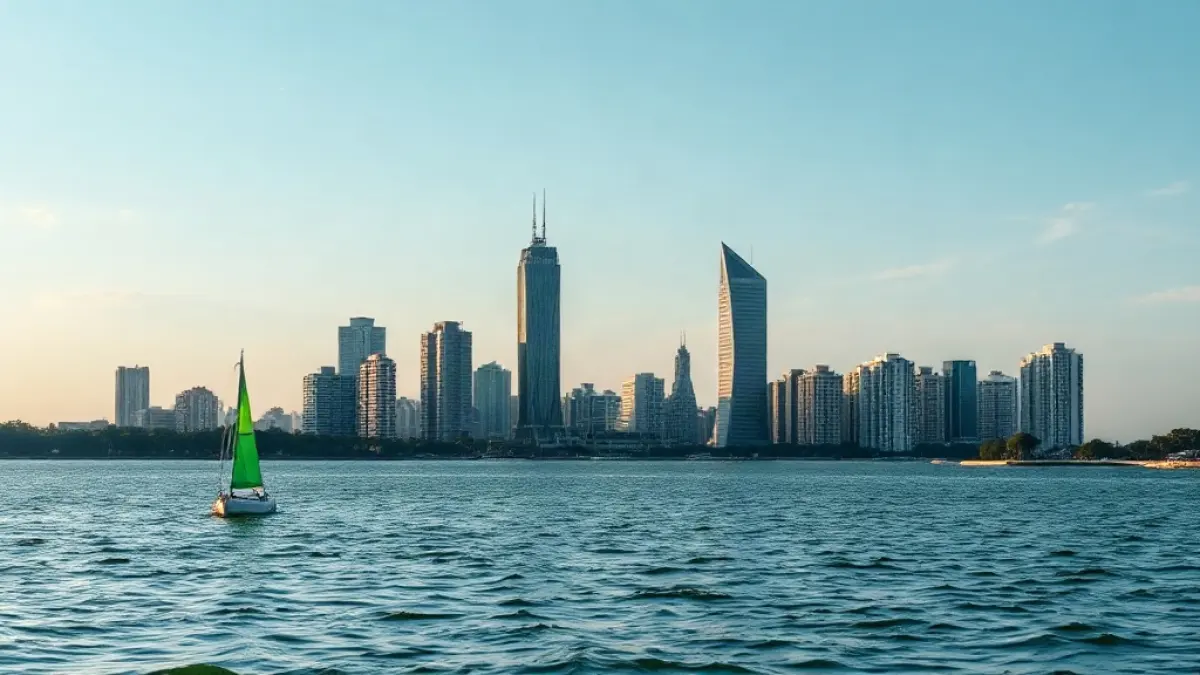
Travellers heading to Côte d'Ivoire face a mixed safety picture, with Western governments urging caution nationwide and advising against travel to several border areas. The U.S. State Department, the Canadian government and the UK government have all issued warnings, while health authorities have posted notices on polio and measles.
Key facts
- The U.S. State Department advisory was last updated in February 2026 and rates Côte d'Ivoire Level 2, meaning travellers should exercise increased caution.
- Some parts of the country are rated Level 4, where travellers are advised to avoid visiting altogether.
- Canada's advisory, updated in October 2026, tells tourists to exercise a high degree of caution.
- The U.S. Centers for Disease Control and Prevention (CDC) has two travel health notices, last updated in September 2026: Level 2 for poliovirus and Level 1 for measles.
- French is the official language and English is not widely spoken outside tourist areas and resort towns.
What do the travel advisories say?
The U.S. State Department lists risk indicators covering potential crime, terrorism, unrest, limited or inadequate health services, and piracy in the Gulf of Guinea. It also notes that the country's tourism industry is growing but risks remain to travellers.
Canada advises tourists to exercise a high degree of caution, flags travel around the country's shared northern borders, and tells travellers to avoid non-essential travel near the southwestern border with Liberia. The UK makes similar advisories against regional travel in parts of Côte d'Ivoire, specifically the borders with Burkina Faso, Mali and Liberia.
What health precautions are recommended?
The CDC's Level 2 notice advises enhanced precautions against globally circulating poliovirus, while its Level 1 notice advises usual precautions against measles. Travellers are encouraged to be up to date on routine vaccinations, including COVID-19, hepatitis A, hepatitis B, typhoid and yellow fever. Some travellers may also consider protection against chikungunya, cholera, meningococcal disease, mpox and rabies, and should take prescription medicine to protect against malaria.
Public ambulance rides are free, but privately operated ambulances charge. Hospitals may be minimally staffed, under-resourced or short of English speakers, and travellers will likely need to pay upfront in cash for medical services. Medicines should be kept in their original packaging with a doctor's prescriptions.
What should travellers watch out for on the ground?
Theft, including robberies, burglaries and carjackings, as well as violent crime, can occur. If an attempt is made, cooperating and handing over the requested goods can be lifesaving; travellers are advised not to physically resist if robbed. Bag snatching and pickpocketing should also be guarded against.
Rideshare services are available and can be more convenient than taxis. The U.S. government advises tourists not to take "woro-woros" or "gbaka"; having accommodations arrange transport or hiring a private driver is suggested. At security checkpoints, travellers should politely cooperate with authorities.
Credit cards are likely accepted at major restaurants, hotels and businesses, but carrying cash is a safe bet, as some ATMs charge hefty fees and power outages may affect withdrawals. The State Department says internet romance and financial scams are increasingly prevalent, including sextortion, money transfers, gold purchases and fake job offers; scammers often pose as U.S. citizens in need of help. Public Wi-Fi is best avoided where possible.
Are there rules for children and other considerations?
Parents or guardians travelling with a child should carry the child's passport and a copy of evidence of their relationship, such as a birth certificate. If a parent or guardian is not travelling with the minor, a notarised permission letter authorising the child's travel is needed; one parent travelling with a child needs a notarised consent letter from the other parent or evidence of sole custody.
Homosexuality is not criminalised in Côte d'Ivoire, but designated protections are not in place and discrimination may occur. Accessibility for travellers with disabilities is limited, and air pollution could particularly affect the young, the old and people with certain conditions.
What this means for travellers
Travellers should check the latest advisories for Côte d'Ivoire before booking and again before departure, and decide for themselves whether visiting is safe for them at the time of travel. Points to weigh include the security at their accommodation, whether they know someone local who could help, their health and their accessibility needs.
The State Department recommends travel insurance covering medical emergencies, trip cancellations and evacuation assistance. U.S. citizens can also consider registering their trip with the Smart Traveler Enrollment Program for local updates and emergency location. Other practical steps flagged include monitoring local news, avoiding protests and demonstrations, keeping cash, jewellery and travel documents stored safely, checking swimming conditions at coastal beaches, and keeping someone at home updated on the itinerary.
Walking in Abidjan is generally considered safe during the day, but tourists are encouraged to stay aware of their surroundings and avoid walking alone at night. Tourism infrastructure is described as limited outside major cities and still developing overall, though the major hubs and resort towns are considered tourist-friendly. The dry season from November through March is cited as the best time to visit; in the rainy season between June and September, flash flooding can occur in low-lying areas.
Also about:  United States
 Canada
 United Kingdom
 Liberia
 Burkina Faso
 Mali