
 CroatiaVisas
Croatia's Digital Nomad Route Grants Temporary Residence for Up to 18 Months
Remote workers can seek legal residency in 2026 through digital nomad programmes in Croatia, Spain, Portugal, Italy, Latvia and Estonia. Croatia's scheme offers temporary residence for up to 18 months, while income and documentation rules differ by country.
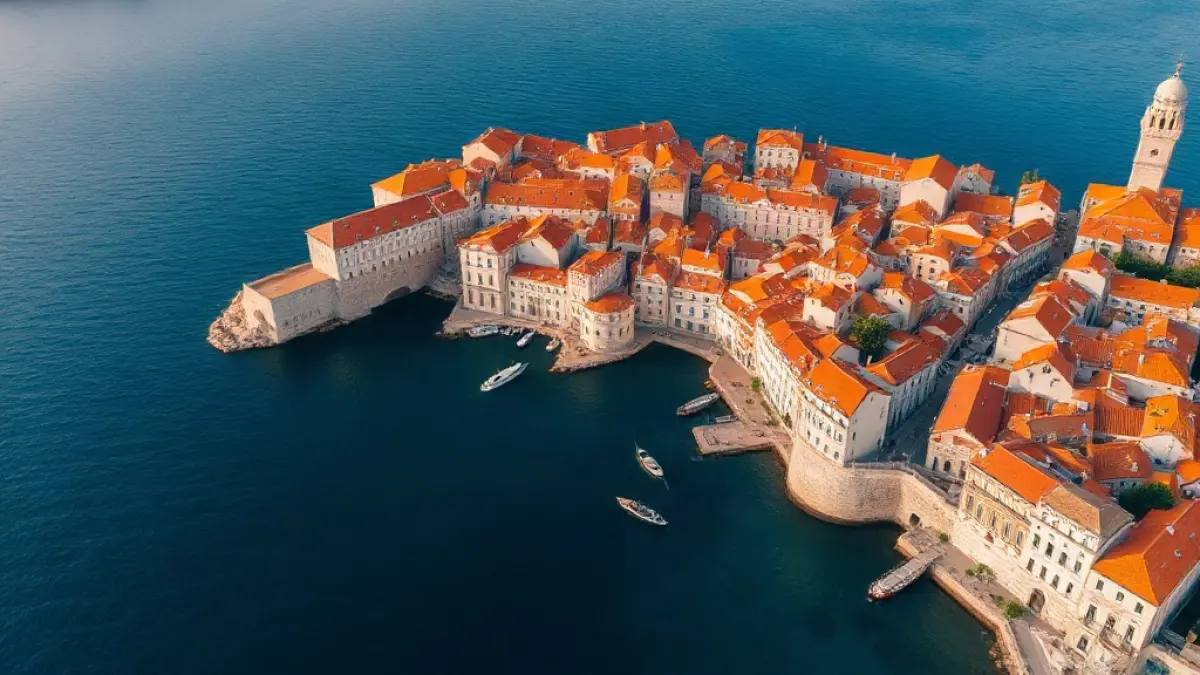
Remote workers planning to move abroad in 2026 have six European countries to choose from when applying for legal residency based on online work: Croatia, Spain, Portugal, Italy, Latvia and Estonia. Croatia's option stands out for its length of stay — temporary residence for up to 18 months — while the other countries offer everything from a one-year stay to residence permits of up to three years.
Key facts
- Croatia: temporary residence for up to 18 months
- Estonia: stay of up to one year
- Spain: visa valid up to one year, residence permit up to three years
- Portugal (D8 visa): minimum average monthly income of four times the national minimum wage
- Portugal: minimum wage of €920 per month from 1 January 2026, giving an estimated income threshold of €3,680 per month
- Italy: route aimed at highly skilled professionals
What are digital nomad programmes?
These schemes allow people working remotely or carrying out professional activity online to obtain legal residency abroad. Depending on the country, the mechanism may be a national visa, a residence permit, or a special basis for temporary stay, so the right option depends on each applicant's circumstances.
Requirements vary from country to country and cover income, contracts, qualifications and supporting documents. Simply working online is not enough to qualify.
Who is eligible?
The programmes are open to remote workers, freelancers, consultants, entrepreneurs and business owners. Applicants must be able to confirm their professional activity, the source and amount of their income, and their relationship with their employer or clients. Some countries additionally check qualifications, professional experience and the country where a business is registered.
What do Spain and Portugal require in 2026?
Spain's scheme is open to adult citizens of third countries who work remotely for foreign companies or carry out relevant professional activity. Employees may only work for companies outside Spain, while self-employed applicants may work with Spanish companies for no more than 20% of their total professional activity. The professional relationship must have lasted at least three months before applying, and the foreign company must have been operating actively for at least one year. Proof of qualifications or experience is required.
The financial requirement for the main applicant in Spain is 200% of the Spanish minimum interprofessional wage (SMI), with 75% of the SMI added for the first family member and 25% for each additional one. A visa issued through the consulate is valid for up to one year; while legally in Spain, holders can apply for a residence permit lasting up to three years or a shorter period tied to their contract.
Portugal's D8 visa covers remote professional work for employers or clients outside the country. The main applicant must show an average monthly income over the last three months of at least four times the minimum monthly wage — an estimated €3,680 per month, based on the €920 minimum wage in force from 1 January 2026. That figure applies only to the main applicant; separate financial requirements for family members are assessed individually. Applicants can choose between a temporary stay visa and a resident visa leading to a residence permit, and must supply proof of employment or self-employment and proof of tax residency.
What about Croatia, Italy, Latvia and Estonia?
Croatia's programme grants temporary residence for up to 18 months. Estonia allows a stay of up to one year, Latvia runs a remote work visa with conditions and an income threshold, and Italy's route is designed for highly skilled professionals. Detailed income figures, document lists and application procedures for these four countries are not set out in the available information.
What this means for travellers
Anyone considering a move should first match their working arrangement — employee, freelancer or business owner — to the rules of the country in question, since not every remote worker qualifies. Applicants aiming at Spain should note that social security coverage and the applicability of international agreements require separate verification, and those targeting Portugal should plan around the €3,680 monthly income benchmark.
Further country-by-country requirements for Croatia, Italy, Latvia and Estonia are expected to be outlined in the full programme guidance for 2026.
 Spain
 Portugal
 Italy
 Latvia
 Estonia