
 GambiaTravel
Gambia Travel Safety: Advisories, Health Risks and Scams to Know
The US rates Gambia Level 2, advising increased caution, while Canada urges a high degree of caution. Travellers should watch for petty crime, limited medical care, poor roads and 'bumster' scams near tourist areas.
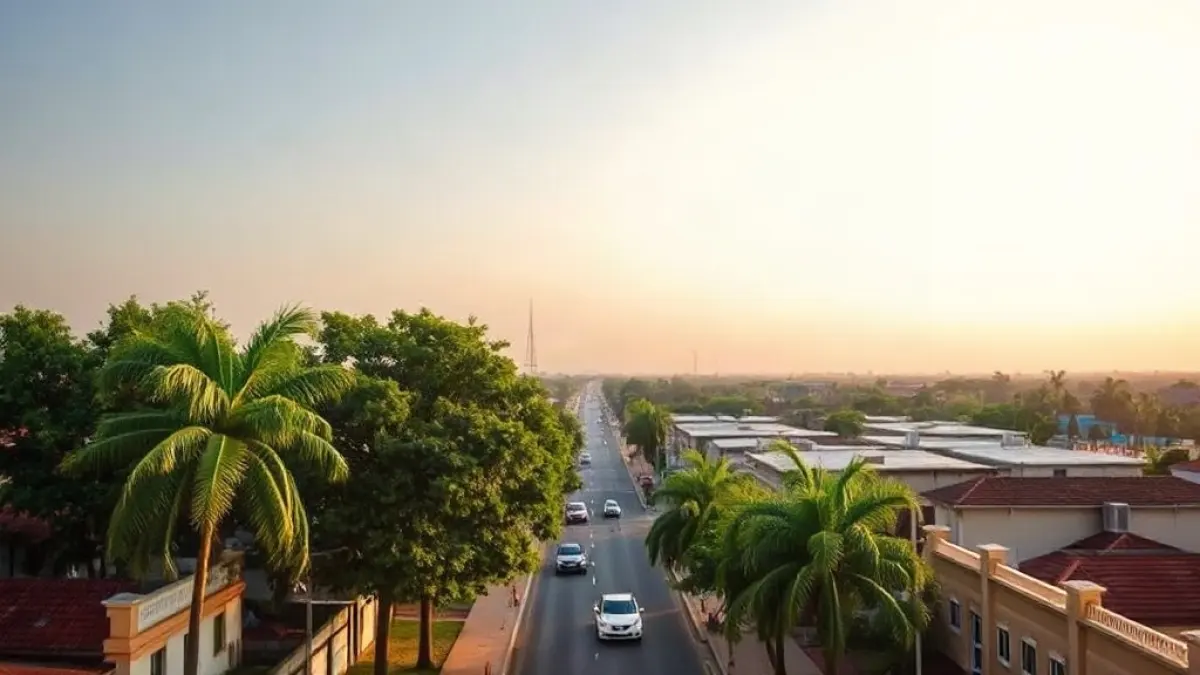
The Gambia, the smallest country in mainland Africa, draws visitors with uncrowded beaches, wildlife viewing and heritage sites such as Kunta Kinteh Island, a UNESCO World Heritage Site linked to the transatlantic slave trade and its abolition. Before planning a trip, though, travellers should weigh the safety and health warnings issued by several governments.
The country, known as the "Smiling Coast" for its hospitality, is surrounded by Senegal apart from its Atlantic coastline and has just under 3 million people.
Key facts
- The US State Department last updated its Gambia advisory in January 2026, rating it Level 2: exercise increased caution
- Risk indicators cited include crime, unrest and inadequate health infrastructure
- Canada advises a high degree of caution; the UK flags theft in markets, crowded places and isolated beaches
- The US Centers for Disease Control and Prevention (CDC) has a Level 1 travel health notice for Gambia
- Travellers are advised to avoid the Casamance region near the Senegal–Gambia border
What do the travel advisories say?
The US State Department classifies Gambia as a Level 2 destination where tourists should exercise increased caution, citing concerns over crime, unrest and inadequate health infrastructure. The agency also says the country's tourism industry is not well regulated.
Canada advises travellers to exercise a high degree of caution, pointing to petty crime and theft in markets, hotel rooms and from vehicles. The UK government notes similar risks of theft in markets, crowded places, hotel rooms, isolated beaches and venues outside the main tourist areas.
What health precautions should I take?
The CDC's Level 1 travel health notice says travellers should practice usual precautions and be fully vaccinated against measles with the measles-mumps-rubella (MMR) vaccine, citing the global measles crisis. It also recommends routine vaccines — chickenpox, diphtheria, tetanus, pertussis, flu, polio and shingles — plus vaccines or preventive medication for COVID-19, chikungunya, hepatitis A, hepatitis B, malaria, typhoid and yellow fever as appropriate. Certain travellers should also be vaccinated against rabies, monkeypox and meningococcal disease.
Medical care can be hard to reach, ambulance services are not widespread, facilities may lack staff or supplies, and patients may need to pay upfront in cash. Serious emergencies may require evacuation to another country. Foreign visitors are strongly advised not to drink local tap water, and travellers should bring any needed medication only after confirming it is legal to import, kept in its original packaging with proof of a doctor's prescription.
What scams and risks should I watch for?
The State Department warns travellers to beware of "bumsters" — men who approach tourists offering tour guide services, help or a romantic relationship, and may later demand payment. The advice is to be polite but firm in declining unwanted help or conversation, and to stay cautious with strangers met through dating apps.
Road and driving conditions can be poor, especially in the rainy season, so travellers are urged to prioritise the safest route and consider arranging a driver. Cooperate if stopped at a checkpoint, keep car doors locked and windows up in busy areas, and avoid walking alone at night. Do not photograph people without permission; photography near military installations, airports and government facilities is prohibited. Cannabis is illegal for both medical and recreational use.
What this means for travellers
Travellers should check the current advisory level for their own government before booking, arrange travel health insurance, and confirm which vaccines and medications they need. Avoid the Casamance region near the Senegal–Gambia border, where the Canadian government says separatist rebels operate, and avoid protests, which the State Department describes as unpredictable. Monitor local news during the trip and store valuables securely.
No further updates to the advisories have been announced; the US advisory was last revised in January 2026.
Also about:  Senegal
 United States
 Canada
 United Kingdom