
 GermanyTravel
Germany Unrest Expands to 30 Cities; US Advises Skipping Two Lisbon Squares
The U.S. Department of State issued a security alert for Portugal on 1 November 2026, telling Americans to avoid two squares in Lisbon and Porto. Protests over living costs also turned violent in more than 30 German cities and across France.
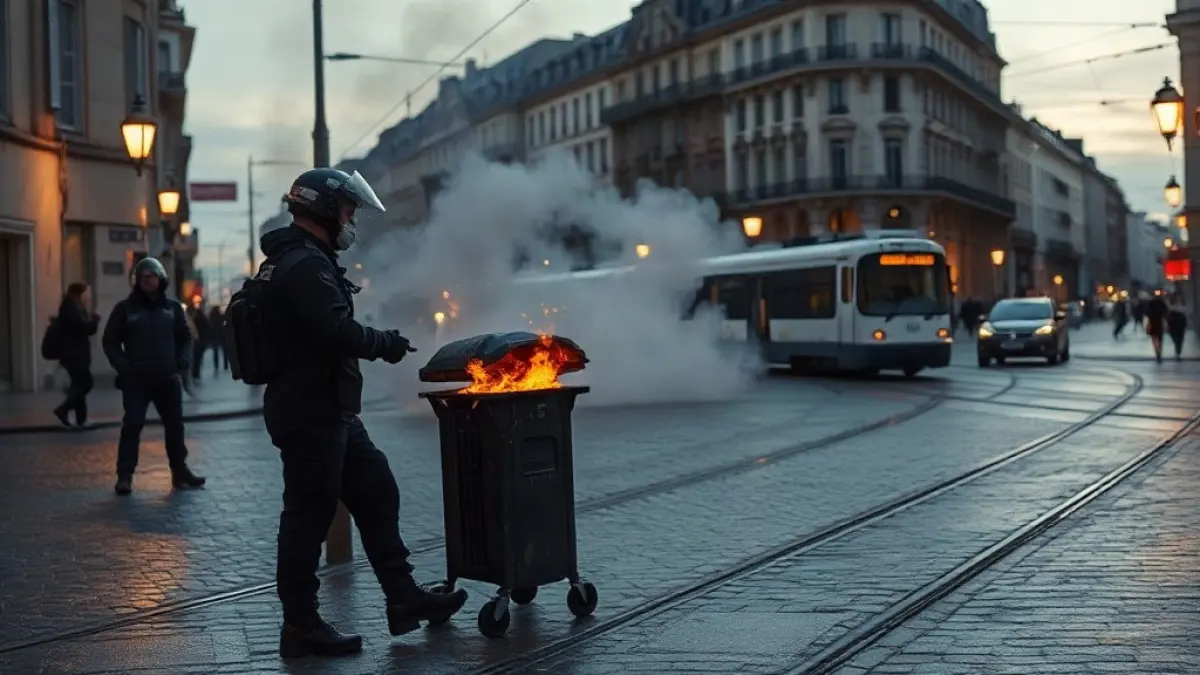
The U.S. Department of State has issued a security alert for Americans in Portugal, after demonstrations over living costs and housing spread across Europe and turned violent in parts of Germany and France. Thousands of people have joined protests in several European countries in recent days, prompted by online calls and voicing frustration over rising living costs, housing shortages and public services.
While many demonstrations have stayed peaceful, clashes with police, property damage and looting have been reported in several cities, and authorities in several countries are preparing for further demonstrations in the coming days.
Key facts
- 1 November 2026: the U.S. Department of State issued a security alert for Portugal
- Americans are advised to avoid Rossio Square in Lisbon and Praça Dom João I in Porto
- Demonstrations took place in more than 30 German cities on Saturday, 31 October
- In Frankfurt, more than 100 police officers were injured and 54 people were arrested
- France recorded 565 arrests nationwide on Saturday, according to the French Interior Ministry
What is happening in Portugal?
The U.S. Embassy warned that demonstrations were taking place in Lisbon and Porto over soaring housing costs, with protesters demanding more affordable accommodation. It noted that police had recently used crowd-control measures, including tear gas.
Thousands marched through Lisbon on 31 October to highlight the housing crisis. Tensions rose after several hundred protesters set up a camp in Rossio Square; police removed the tents and cleared the encampment in the early hours of 1 November.
The alert told U.S. citizens to avoid Rossio Square in Lisbon and Praça Dom João I in Porto, to monitor local media and to stay alert around large gatherings. It also warned that protest routes could change at short notice and that demonstrations might take place outside authorised areas.
What happened in Germany?
Protests organised by the youth campaign group Gen Z regelt — roughly "Gen Z takes charge" — drew tens of thousands of people to more than 30 cities on Saturday, including Berlin, Cologne and Munich. Demonstrators called for better education, more investment in public services and more affordable living conditions, and opposed a possible return to compulsory military service.
Most demonstrations began peacefully, but violence broke out in several cities later in the evening. In Hamburg, masked protesters set fire to barricades and threw stones and firecrackers at police, who responded with pepper spray and water cannons.
In Frankfurt, rioters smashed shop windows, looted stores and threw petrol bombs, rocks and bottles at police and emergency workers. Hesse Interior Minister Roman Poseck said 17 shops were damaged and five looted. About 1,300 officers were deployed, more than 100 were injured, and 54 people aged between 13 and 29 were arrested. Frankfurt police said emergency personnel were attacked with glass bottles, pyrotechnics, stones and Molotov cocktails. Organisers of Gen Z regelt distanced themselves from the violence, stating on their website: "Against all violence. Our protest is peaceful, without exception."
What is happening elsewhere in Europe?
France saw another weekend of mass protests focused on rising living costs, purchasing power, education and public services, with young people, students and trade unions taking part. French authorities estimated about 320,000 participants nationwide, while organisers put the figure at 500,000.
Clashes broke out in Paris and other cities. The French Interior Ministry reported 565 arrests nationwide by Saturday evening, and officers used tear gas and stun grenades in Lyon, Marseille and Paris. In Paris, four police officers and one gendarme were injured after demonstrators threw paving stones and Molotov cocktails near the end of an authorised march. About 70,000 police officers and gendarmes were deployed across France.
Demonstrations were also reported in Albania, where protesters clashed with police and petrol bombs were thrown.
What this means for travellers
Travellers in Portugal should avoid Rossio Square in Lisbon and Praça Dom João I in Porto, follow local media and stay alert around large gatherings, as protest routes may change at short notice. Those in Germany and France should expect further demonstrations and possible disruption in city centres.
The U.S. State Department advises Americans to enrol in the Smart Traveler Enrollment Program (STEP) and subscribe to its WhatsApp channel for security updates.
Authorities across several countries are preparing for additional demonstrations in the coming days.
Also about:  Portugal
 France
 Albania
 United States