
 GuyanaTravel
Indigenous Communities Lead Tourism Development in Guyana
Indigenous communities in Guyana are shaping the future of tourism by offering authentic cultural experiences while preserving their traditions. This approach aims to ensure community ownership and sustainable development in the tourism sector.
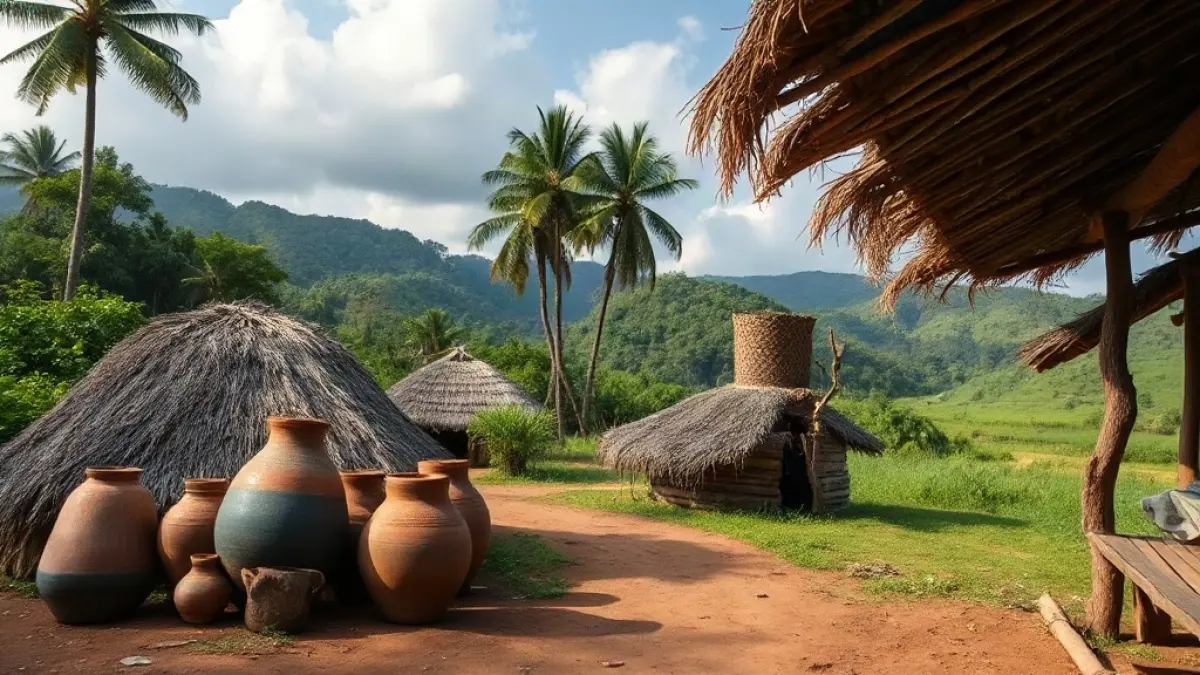
Indigenous communities in Guyana are taking a significant role in shaping the country’s tourism industry by offering unique cultural experiences that respect their traditions. This initiative is part of a broader movement towards sustainable tourism that prioritizes community ownership and cultural preservation.
Community-Driven Tourism
In the village of Toka, residents have chosen to develop their pottery tradition into a tourism experience rather than mass-producing goods. The village chief, Micah Davis, emphasized the importance of maintaining control over how their culture and natural resources are shared with visitors. The community's approach is centered on creating income while ensuring that their cultural practices are respected.
Supporting Indigenous Enterprises
The Guyana Tourism Authority (GTA) is actively supporting these initiatives by working with village councils to develop tourism experiences tailored to each community's unique culture and environment. This includes training in guiding, culinary skills, and management to empower residents to turn their traditional knowledge into viable businesses.
Challenges and Opportunities
Despite the positive developments, challenges remain, including the high costs associated with reaching remote villages. Improved transportation and infrastructure are essential for the success of community-led tourism ventures. Additionally, the GTA is focusing on establishing agreements that protect communities in their partnerships with tour operators.
Future of Tourism in Guyana
The commitment of Indigenous communities to sustainable tourism is not only about economic benefits but also about cultural preservation and environmental stewardship. As these communities continue to shape their tourism offerings, they aim to ensure that their traditions and knowledge are respected and passed down to future generations.