
 MozambiqueTravel
US flags rising ISIS piracy risk off Mozambique's coast
The deputy commander of US Africa Command says ISIS-linked insurgents in Mozambique are building maritime capacity, with recent piracy off the coast. The warning highlights risks to shipping in the Mozambique Channel and to travellers in the region.
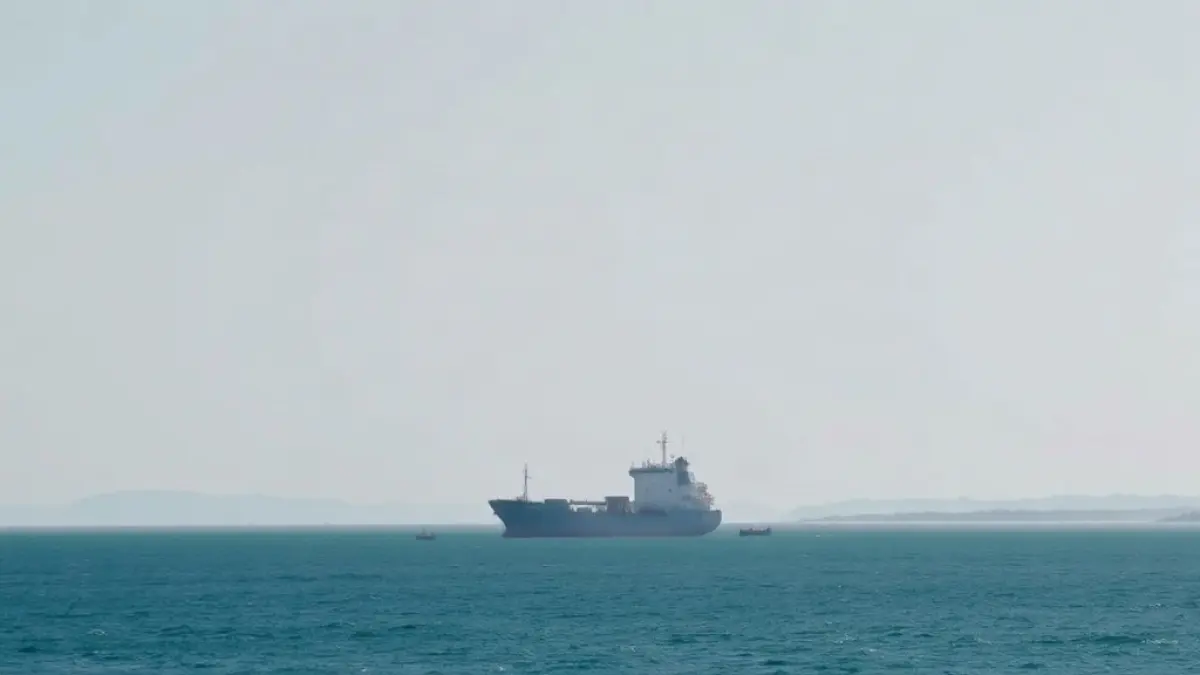
The United States has warned that insurgents linked to Islamic State (ISIS) in Mozambique are expanding their ability to operate at sea, and that recent piracy off the country's coast could threaten shipping and trade along the African shoreline. Lt Gen John W. Brennan, deputy commander of US Africa Command, set out the concerns at a virtual briefing organised by the US Department of State's Africa Regional Media Hub on Tuesday.
Key facts
- Who issued the warning: Lt Gen John W. Brennan, deputy commander of US Africa Command
- The threat: growing maritime capacity of ISIS-Mozambique and recent piracy incidents off the Mozambique coast
- Area of concern: the Mozambique Channel, a strategic corridor for international shipping and commerce
- Planned training: a Joint Combined Exchange Training (JCET) exercise in Mozambique later in the year
- Past obstacle: earlier training was cancelled over visa issues and problems moving special forces teams and equipment into the country
- Investment at risk: a multibillion-dollar liquefied natural gas project involving ExxonMobil and Total at Afungi
What is the threat?
Brennan said ISIS-Mozambique was showing "an increase in their maritime capacity" and that recent piracy actions off the coast had been noted by regional security partners. He said the United States was concerned about threats to the Mozambique Channel, which carries a large volume of international shipping and commerce, and wanted to protect the route from the group and anyone else seeking to harm global trade.
What security help is planned?
Brennan, who recently visited Mozambique and Madagascar alongside US Africa Command's deputy commander for civil-military engagement and former US ambassador to Mozambique Peter Vrooman, said Washington wanted to increase security engagement with both countries. Plans include military exercises, specialised training and closer cooperation with Mozambique's defence authorities.
A Joint Combined Exchange Training exercise is planned for Mozambique later in the year, and the US is encouraging the country to host more regional security exercises. Brennan said the US wanted Mozambique to take a bigger role in exercises such as Cutlass Express and Epic Guardian, and to host some of them in future alongside Madagascar. Cutlass Express typically attracts about 30 countries, he said.
Why have past exercises not gone ahead?
Brennan said earlier training arrangements had fallen through because of administrative hurdles, including visa issues and difficulties bringing special forces personnel, equipment and weapons into Mozambique. He said he had asked President Chapo and the country's minister of defence to help cut through the bureaucracy so that training events can take place.
What else did the US raise?
Brennan said the US wanted to protect major foreign investment in Mozambique, particularly the multibillion-dollar liquefied natural gas project involving ExxonMobil and Total at Afungi, which he said could double Mozambique's gross domestic product in its first full year of operation. He visited security installations in Cabo Delgado and said the US was working with Mozambique on security around the investment site.
He also called for stronger regional maritime intelligence-sharing, noting that Mozambique is absent from a seven-country maritime information-sharing network he visited in Madagascar, whose members include island nations of the Western Indian Ocean, Kenya and France. The US is considering technological support, including the SeaVision maritime monitoring system and uncrewed systems.
On Somalia, Brennan said the relocation of US forces from Baledogle Airfield was "100 per cent an economic decision" driven by the deteriorating runway, with resurfacing set to cost tens of millions of dollars. Personnel moved mostly to Mogadishu, and he said the shift did not change Washington's relationship with the Somali National Army.
What this means for travellers
The warning concerns maritime security and shipping rather than border formalities: no changes to Mozambique's visa or entry rules are announced. Travellers should note that US officials have flagged piracy off the Mozambique coast and security challenges in Cabo Delgado, and should check current travel advisories for Mozambique before planning trips or sea travel in the area.
No date has been given for the planned Joint Combined Exchange Training exercise beyond "later in the year", and no start date is stated for any of the other cooperation measures.
Also about:  Madagascar
 Somalia
 Kenya
 France
 United States
 Russia
 China