
 NigeriaTravel
Nigeria parks: mining cleared, but insecurity shuts tourism in two reserves
Nigeria's National Park Service says 13 of 17 national parks remain operating, while insecurity has suspended tourism in parts of Kainji Lake and Chad Basin national parks. Rangers have been killed in attacks linked to mining and armed groups.
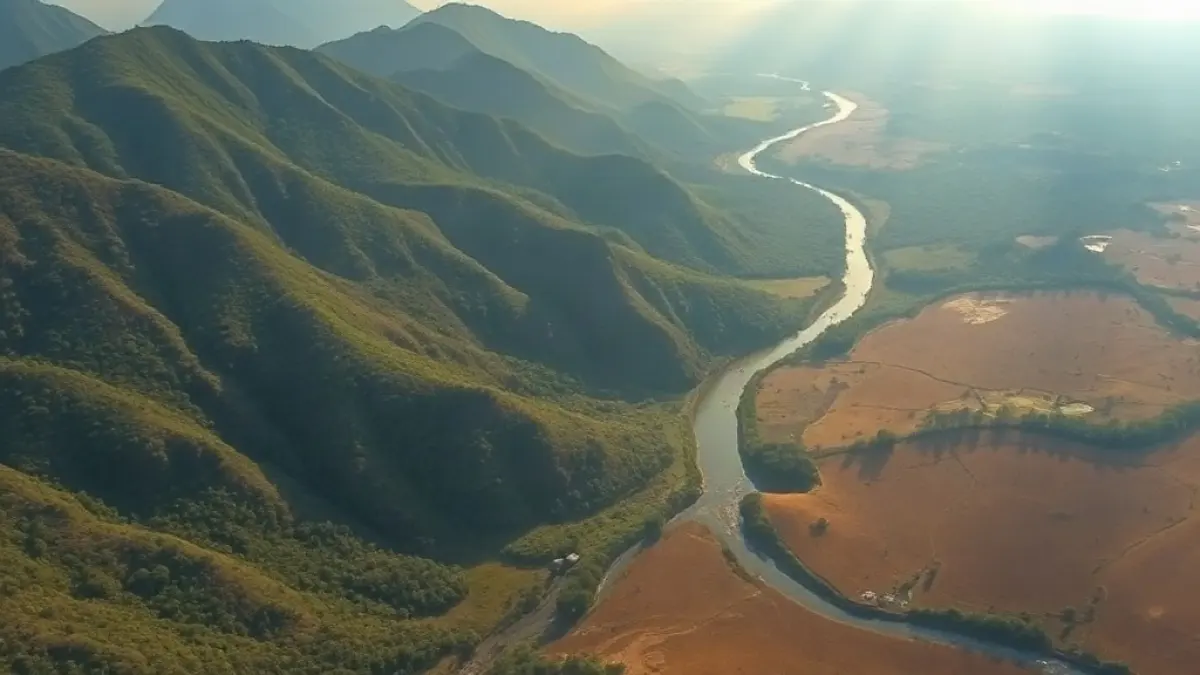
Nigeria's National Park Service says most of the country's national parks remain open, but parts of two reserves have been closed to tourism because of insecurity. Conservator-General Ibrahim Musa Goni said 13 of Nigeria's 17 national parks are still operating, even where access has become dangerous.
Key facts
- The Kila gold mine at Gashaka-Gumti National Park, Nigeria's largest park, was closed in July, with an estimated 4,000 miners driven out
- Tourism has been suspended in parts of Kainji Lake and Chad Basin national parks because of insecurity
- 13 of 17 national parks remain operational, according to the National Park Service
- 765 arrests were made across Nigeria's national parks between January and October 2026
Which parks are affected?
Goni said tourism has been suspended in parts of Kainji Lake and Chad Basin national parks because of insecurity. He insists the other national parks remain under government control and active, even where reaching them has become dangerous. Gashaka-Gumti National Park, along Nigeria's border with Cameroon, spans mountains, forests and savannas and has faced illegal mining, poaching and insecurity.
What happened at Gashaka-Gumti?
The National Park Service, working with the Nigerian military, the governments of Adamawa and Taraba states and conservation partner African Nature Investors (ANI), closed the Kila gold mine on the edge of Gashaka-Gumti National Park in July. An estimated 4,000 miners were driven out and the pits were filled. Gashaka-Gumti has had two large mining sites: Kila in Adamawa State and Bodel in Taraba State.
Goni said the operation could be repeated in other parks, but warned that the gold remains underground and miners could come back. ANI provided financial and technical support, including equipment to close the pits, ranger training and monitoring, as well as a helicopter for aerial surveys of Gashaka-Gumti.
How dangerous are the parks?
Two rangers were killed in 2025 at Gashaka-Gumti and one was stabbed. Five park guards were killed at Old Oyo National Park in January 2026, and Goni said two rangers were lost at Old Oyo in 2024 at a mining site and about three at Kainji Lake National Park in attacks involving bandits and pastoralists. Rangers' barracks and patrol vehicles have also been vandalized.
Goni said the service is prioritizing ranger training, equipment and technology such as GPS, drones, SMART monitoring and camera traps. He also said about 4,100 mining licenses were revoked a few months ago.
What this means for travellers
Tourists planning to visit Kainji Lake or Chad Basin national parks should note that tourism has been suspended in parts of those reserves. Other parks, including Gashaka-Gumti, remain open, but the service describes ongoing threats from illegal miners, armed groups and banditry, so travellers should confirm current park access and conditions before planning a visit.
Goni said he wants to develop Nigeria's parks along the ecotourism models of Kenya, Tanzania and South Africa and to attract greater private sector involvement. No timeline for those plans has been announced.
Also about:  Cameroon