
 Philippinese-Visa
UAE travellers to the Philippines can now get e-visas from Dh260 in Dubai
The Philippine consulate in Dubai has started processing electronic visas, joining 94 other Philippine missions. The e-Visa mainly helps nationals who previously needed a physical visa sticker, with fees from Dh260.
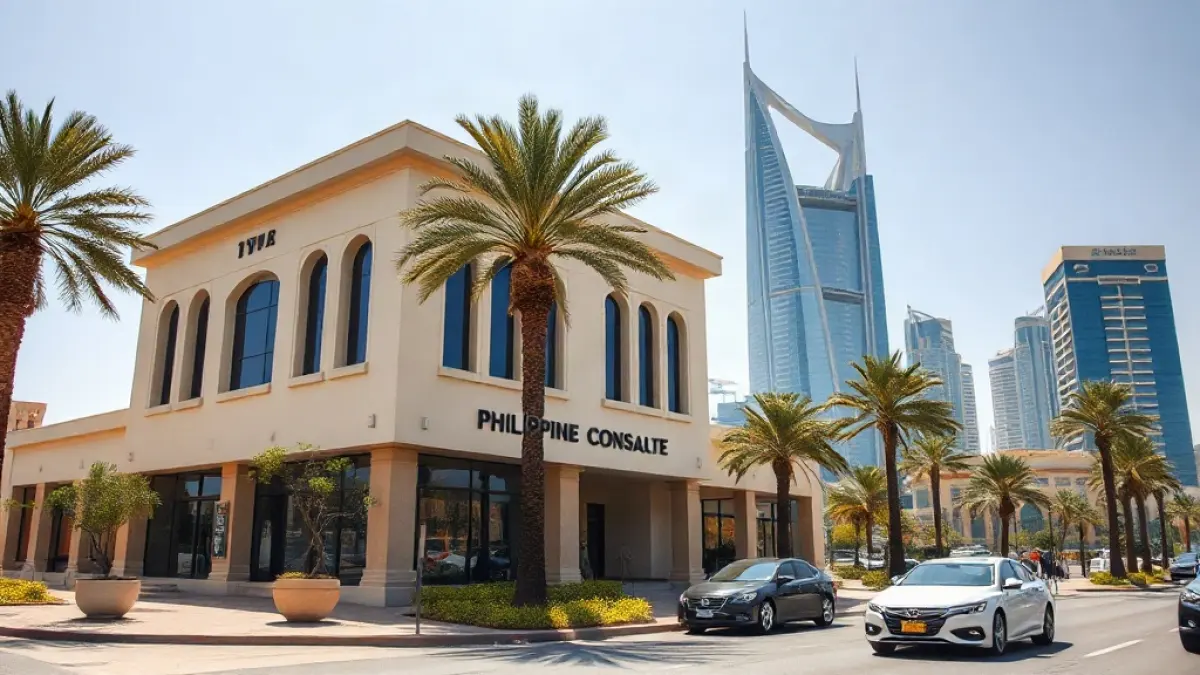
Travellers in the United Arab Emirates can now apply for a Philippine electronic visa (e-Visa) through the Philippine consulate in Dubai. Consul general Ambrosio Brian F. Enciso III announced the move at a press briefing on Monday, 26 October 2026, saying the consulate has joined 94 other Philippine missions worldwide that process e-Visas.
The diplomat said the aim is to draw more tourists from the UAE to the Philippines, and that UAE residents who expect convenience when they travel will now find it easier to visit the country.
Key facts
- Announced: 26 October 2026, by the Philippine consulate in Dubai
- Who it helps most: nationals of at least 37 countries who must apply for a physical visa
- Fees: Dh260 single entry; Dh420 multiple entry (6 months); Dh580 multiple entry (1 year)
- Processing: 7–12 working days (single entry); 15–40 working days (multiple entry)
- Permitted stay: 7 to 59 days, depending on nationality
- Where to apply: the Philippine e-Visa system, evisa.gov.ph
Who is affected?
Many travellers to the Philippines already enter visa-free or obtain a visa on arrival, including Emiratis, Europeans, Canadians, United States citizens and nationals of Southeast Asian countries.
Enciso said the e-Visa will mainly benefit nationals of at least 37 countries who are required to apply for a physical visa. He named Bangladesh, India, Iran, Iraq, Egypt, Lebanon, Palestine, Pakistan, Sri Lanka, Sudan, Syria, Ukraine and Yemen.
What does the e-Visa cover?
Single-entry and multiple-entry e-Visas are available for business, pleasure, tourism, medical treatment, training, conferences, meetings, workshops and seminars. Enciso stressed that the e-Visa is for tourism purposes only and is not valid for employment. It cannot be extended and cannot be converted into another visa type, including an employment or student visa.
Approved e-Visa holders may show their visa on arrival in the Philippines either digitally or as a printout. Physical visa stickers will no longer be placed in their passports. The e-Visa system runs alongside Machine Readable Visa (MRV) stickers for individual temporary visitor visas under Category 9(a) and other applicable Philippine visa categories.
How much does it cost and how long does it take?
A single-entry e-Visa costs Dh260 and takes 7–12 working days to process. Multiple-entry options cost Dh420 for six months and Dh580 for one year, with processing of 15–40 working days. The permitted length of stay ranges from 7 to 59 days, depending on the traveller's nationality.
What this means for travellers
Nationals who previously had to submit passports for a physical sticker can now apply electronically through the Philippine e-Visa system and carry the approval digitally or on paper. Travellers should check whether their nationality still requires a visa before booking, allow for the stated processing times, and note that the e-Visa covers tourism-related travel only, not employment.
The Dubai consulate's move is part of a wider rollout across Philippine missions. No further expansion dates have been announced.
Also about:  United Arab Emirates