
 Russiae-Visa
Travellers to Russia now pay about $70 for e-Visas, $55 for children
Russia's e-Visa fee has risen again to AED 256 (about $70) for adults and AED 201 (about $55) for children, the second increase since mid-October 2026. Application rules and conditions remain unchanged.
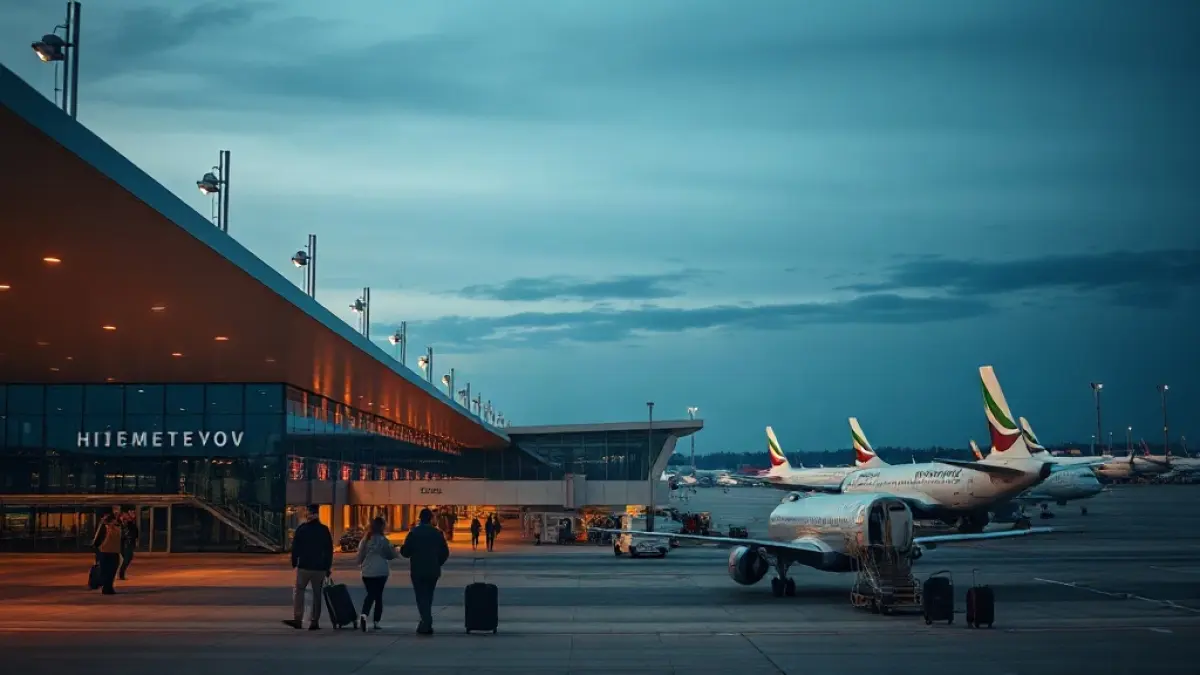
Travellers applying for Russia's electronic visa (e-Visa) face higher charges again. The fee collected through the Russian Ministry of Foreign Affairs' official application portal rose on 12 November 2026 to AED 256, or approximately $70, up from AED 238 just two days earlier.
It is the second increase in under a month, following a rise of nearly 18% on 14 October 2026. Taken together, the amount charged has grown by roughly 27% since mid-October.
Key facts
- New adult fee: AED 256 (approximately $70), as of 12 November 2026
- Child fee: AED 201 (approximately $55)
- Previous rate: AED 238 (approximately $65) until 10 November 2026
- Rate before 14 October 2026: AED 202 (approximately $55)
- The e-Visa is open to citizens of 64 countries and is applied for through evisa.kdmid.ru
How much does it cost now?
The charges have moved in three steps. Up to 13 October 2026, applicants paid AED 202 (approximately $55). From 14 October to 10 November, the fee stood at AED 238 (approximately $65), a rise of 17.8%. From 12 November it reached AED 256 (approximately $70), a further increase of 7.6%.
Overall, the sum charged has gone up by AED 54, or approximately $15, since mid-October.
The new amounts have also been confirmed by GKD Global FZE LLC, a UAE-based company that handles payments linked to Russian e-Visa applications. Its published pricing lists AED 256 for adults and AED 201 for children, described as document processing and verification fees.
Russian authorities have not issued a statement explaining whether the latest increase reflects higher consular fees or changes to additional processing and payment charges. The move follows a wider rise in Russian visa costs, with expedited processing fees for tourist and business visas doubling for European nationals since 14 October and work visa fees also increasing substantially.
Who can apply, and what are the conditions?
Despite the price changes, the rules for obtaining and using a Russian e-Visa through the official evisa.kdmid.ru portal are unchanged. Citizens of 64 countries are eligible, including France, Belgium, Switzerland, Spain, Germany, Italy, Turkey, India, Japan, Indonesia and Mexico; the Ministry of Foreign Affairs publishes the full list.
The visa covers tourism, private visits and business, as well as certain scientific, cultural, economic and sporting events. It is valid for 120 days from issuance, allows a maximum stay of 30 days, is single entry, and is processed in no more than four calendar days.
Which border crossings can e-Visa holders use?
Holders must enter and leave Russia through authorised checkpoints. These include Sheremetyevo, Domodedovo and Vnukovo airports in Moscow, airports serving St. Petersburg, Kazan, Vladivostok, Kaliningrad and Sochi, plus several land, rail and sea crossings. The Ministry of Foreign Affairs publishes the official list, but being listed does not guarantee a crossing is currently open to international travellers.
What this means for travellers
Budget for the higher fee when applying: adults now pay about $70 and children about $55. Anyone planning a trip should confirm their nationality is among the 64 eligible countries and check that their intended entry point is on the authorised list before booking.
Separately, a draft law prepared by the Ministry of Foreign Affairs proposes cutting e-Visa validity from 120 to 45 days while allowing stays until the visa expires, opening more checkpoints, permitting transit and protecting visas issued before any reform. These remain proposals, with no implementation date announced; the draft would take effect 90 days after official publication if adopted. Until then, existing rules continue to apply.
Also about:  United Arab Emirates