
 TogoTravel
Togo Safety Warning: Northern Militant Attacks and Political Unrest Continue
Genocide Watch's West Africa Task Force places Togo at Stage 6: Polarization in its April 2026 report, citing jihadist violence in the north and severe repression after the contested 2024 constitutional reform. The Savanes region remains under a state of emergency since June 2022.
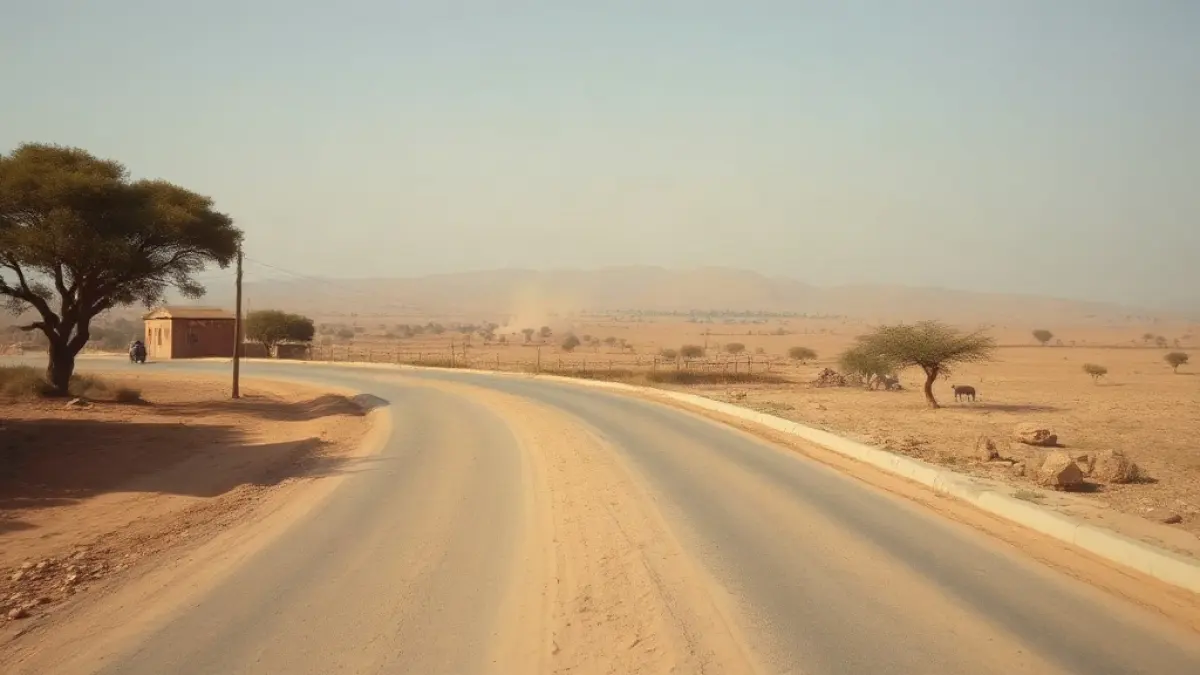
Togo's security and political situation remains volatile, according to an April 2026 assessment by Genocide Watch's West Africa Task Force, which places the country at Stage 6: Polarization on its escalation scale. The report points to deadly militant attacks along the border with Burkina Faso and heavy repression of the political opposition. For travellers, the most immediate practical issue is the state of emergency that has been in force in the Savanes region since June 2022.
Key facts
- April 2026 assessment: the West Africa Task Force rates Togo at Stage 6: Polarization
- A state of emergency has applied in the Savanes region since June 2022
- In July 2025, Togo's foreign minister reported that JNIM had killed at least 60 people that year, including 54 civilians
- The government has displaced roughly 12,000 residents to better protect the border
- The worst-hit area is Kpendjal prefecture, near the border with Burkina Faso's Kompienga province
Where is the security risk concentrated?
The report describes northern Togo as the main theatre of violence, driven by what it calls a porous border with Kompienga province in Burkina Faso, an active zone for Jama'at Nusrat al-Islam wa al-Muslimeen (JNIM), an Al-Qaeda affiliate. Kpendjal prefecture is the worst-affected area, which the report attributes to a lack of state support.
Violence has spread beyond the regions directly bordering Burkina Faso, and the Savanes region in northern Togo has been particularly afflicted. Armed groups there carry out coordinated attacks against both civilian and military targets, and militants frequently use improvised explosive devices against the Togolese Armed Forces, which the report says puts civilian lives at risk.
How deadly has the violence been?
The report cites more than 30 people killed in terrorist attacks in 2023, while President Faure Gnassingbé cited 140 deaths between late 2021 and mid-2023. In July 2025, the foreign minister reported that JNIM had killed at least 60 people that year, including 54 civilians.
The government has also displaced roughly 12,000 residents in order to better protect the border, the report says. Infrastructure in the Savanes region is limited and emergency measures disrupt daily life; in early 2023, a dozen healthcare centres closed after staff fled insecurity.
What is the political situation?
Togo has been in political crisis since a controversial constitutional reform in 2024, which the opposition widely views as an attempt by President Faure Gnassingbé to extend his 20-year rule. In May 2025, Gnassingbé assumed the post of President of the Council of Ministers without a popular vote.
Severe repression followed, the report says. In June 2025, fourteen individuals reported torture or ill-treatment after anti-repression protests, and authorities targeted opposition members, with protesters alleging unlawful killings and abductions of critics. Despite complaints filed with the military court, no investigations had taken place by late 2025, the report states.
What is the government doing?
To counter the terrorist threat, Togo set up the Inter-ministerial Committee for the Prevention and Fight against Violent Extremism, aimed at preventing youth radicalisation and supporting deradicalisation. The report also lists national initiatives including Opération Koundjoaré and the Emergency Program to Strengthen Community Resilience and Security (PURS), alongside regional and international cooperation.
What this means for travellers
The report's description of daily disruptions from emergency measures, limited infrastructure and closed healthcare centres applies to the Savanes region, which has been under a state of emergency since June 2022. Travellers planning to visit northern Togo should factor in the ongoing security situation and the emergency measures in force, and check current conditions in the region before travelling.
The West Africa Task Force recommends that the Togolese government establish an independent mechanism, in collaboration with the United Nations, to investigate complaints of torture and ill-treatment by security forces, protect all citizens from protest-related violence and investigate reported unlawful killings and abductions. It also urges ECOWAS and West African governments to strengthen regional cooperation against terrorism, and calls on Togo to increase its capacity to prevent violent extremism. No further dates or decisions are announced in the report.
Also about:  Burkina Faso