
 United StatesEntry rules
U.S. asylum ban at Mexico border still in force after court ruling against it
The U.S. ban on asylum claims along the 1,954-mile border with Mexico has been in force since 20 January 2025. A federal appeals court ruled it unlawful on 24 April 2026, but the administration has asked the Supreme Court to review the case.
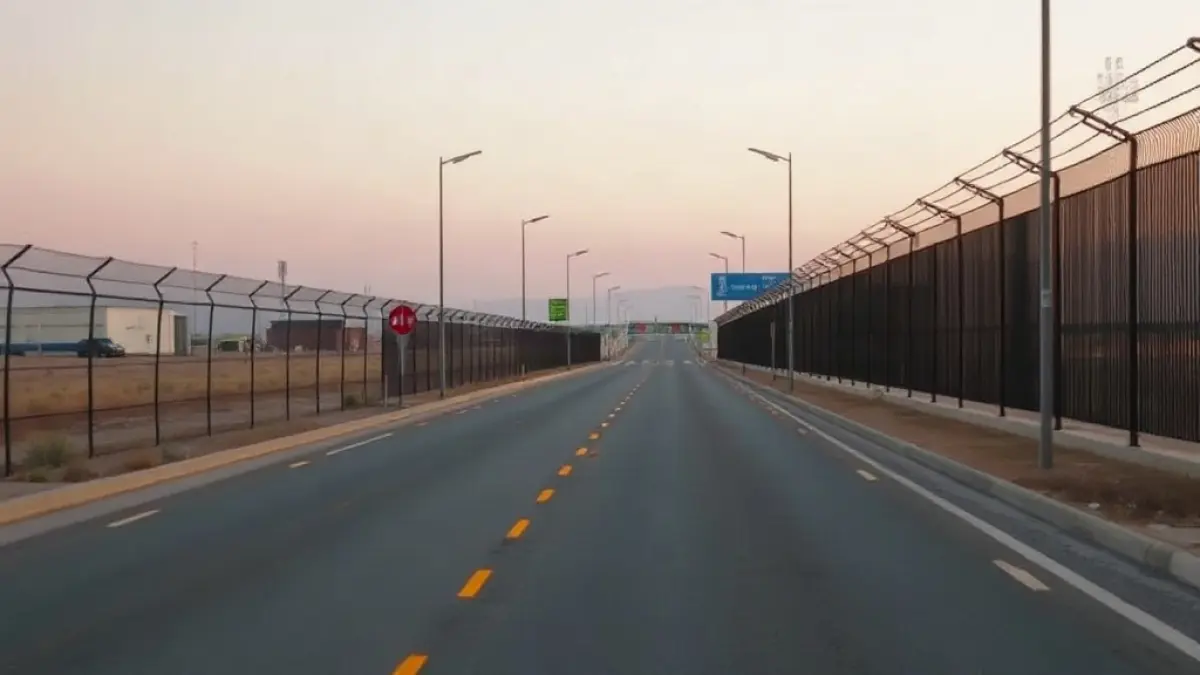
People hoping to seek protection at the United States border with Mexico continue to be turned away under a presidential ban on asylum claims that has been in force since 20 January 2025. A federal appeals court ruled the ban unlawful on 24 April 2026, but the administration has asked the Supreme Court to review the case and the restrictions remain in place.
Key facts
- Introduced by presidential proclamation on 20 January 2025
- Applies along the 1,954-mile U.S.-Mexico border
- D.C. Circuit Court of Appeals ruled the ban unlawful on 24 April 2026
- The Supreme Court has not yet decided whether to hear the case
- Attempts to enter the country fell by over 87% in the initial months
- Customs and Border Protection reports zero releases at the border in 16 months
What does the asylum ban do?
U.S. and international law require the government to provide access to asylum to people fleeing persecution or torture once they are physically in the United States, regardless of how they entered. Under the normal process, Customs and Border Protection (CBP) officers assess a detained person's fear of return before they are placed in removal proceedings or expedited removal, and someone in expedited removal can request a "credible fear screening".
The proclamation signed at the start of the president's second term stopped that process at the border. It bars people from seeking asylum there and authorises CBP officers to repel, repatriate or remove them. People crossing the border no longer have an opportunity to state a fear of return. The administration justified the measure as protecting public health and national security against what it described as an invasion.
What is happening at the border?
In the first months after the proclamation, the number of people attempting to enter the country dropped by more than 87% and has stayed at historically low levels, according to CBP figures. Ports of entry have also been closed to people seeking protection, and CBP has reported 16 straight months with no one released at the border, meaning anyone not turned away has been detained.
Reports indicate that people who do enter, including families and children, are frequently denied screenings by CBP officers despite credible claims of fear of persecution or torture. Advocates describe cramped facilities, no access to lawyers and an absence of due process, as well as assaults, medical neglect and a lack of edible food in detention centres. Removals and expulsions to "third countries" have also left thousands stranded in unfamiliar locations abroad.
What have the courts decided?
Within days of the proclamation, three non-profit organisations on the border filed a lawsuit in a federal court in Washington, D.C., challenging the ban. On 24 April 2026, the D.C. Circuit Court of Appeals ruled that the asylum ban is unlawful.
The administration has since asked the Supreme Court to review the case. The Court has yet to decide whether it will hear the appeal or allow the lower court ruling to stand, so the ban's legal status remains unresolved.
What happens next?
The Supreme Court's decision on whether to take up the case is the next development to watch. Until then, people arriving at the U.S.-Mexico border should be aware that CBP continues to turn away those seeking to claim asylum, that ports of entry remain closed to people seeking protection, and that those not turned back face detention.
Also about:  Mexico