
 ZimbabweTravel
Zimbabweans Lured to Russia With Fake Jobs and $10,000 Salary Promises
Former Zimbabwean military, police and intelligence personnel are helping recruit young Zimbabweans for Russia's war in Ukraine, a newspaper reports. Zimbabwean authorities have charged two men with human trafficking and rescued recruits in transit in Tanzania and South Africa.
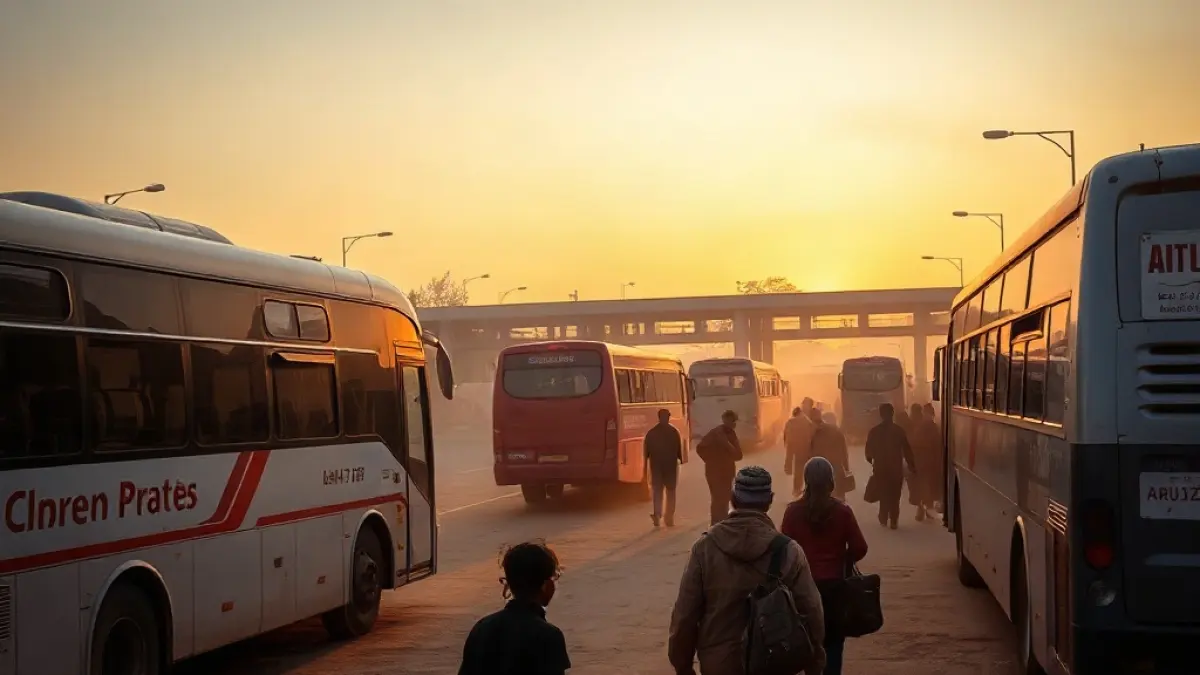
Former Zimbabwean military, police and intelligence personnel are helping to recruit and lightly train young Zimbabweans for deployment to Russia's war against Ukraine, according to The Zimbabwean newspaper. Advertisements online offer salaries of $7,000 to $10,000, with travel costs paid up front, and Zimbabwean authorities have made a series of arrests on human trafficking charges.
Key facts
- Recruits are promised $7,000 to $10,000 plus paid travel expenses, The Zimbabwean newspaper reports
- Vetting and basic tactical training allegedly take place in Bulawayo, Harare and Masvingo
- Two men have been charged with human trafficking-related offences; neither has been convicted
- Zimbabweans were rescued while in transit to Russia in Tanzania and South Africa
- Recruits reportedly get as little as seven days of training before deployment
How are young men being recruited?
Online advertisements lure recruits with promises of high salaries and upfront payment of travel expenses, according to The Zimbabwean newspaper. Vetting and basic tactical training are allegedly carried out by former Zimbabwean military, police and intelligence personnel in Bulawayo, Harare and Masvingo.
A senior Zimbabwe National Army officer, speaking anonymously to Bulawayo 24, said former colleagues were approached in 2024 and offered consultancy fees to identify young men for what was described as private security work in Russia. "By the time the boys land, the contract has changed," he said.
What have Zimbabwean authorities done?
Investigators believe Edward Kachingwe, 36, recruited five men before he was arrested at Harare's Roadport Bus Terminus in late June and charged with human trafficking and operating an unregistered employment agency. Prosecutors say he worked with a Russian accomplice identified only as "Roman", who has not been detained and who allegedly planned to unlawfully recruit victims to join the Russian army, where they would be forced to fight.
Also in June, Russian national Leonid Koftev appeared in court on trafficking charges after allegedly arranging a Zimbabwean man's travel to Russia. Both men have been charged but not convicted.
Authorities say they rescued Zimbabweans in Tanzania and South Africa who were in transit to Russia. In Dar es Salaam, victims reportedly gave relatives false hotel addresses to avoid detection, but their locations were revealed by digital forensics. Some rescued men told investigators they had travelled with former military personnel who were themselves victims of the Russian networks, Bulawayo 24 reported.
What happens to recruits after they arrive?
Information Minister Zhemu Soda has said recruits receive little combat training before deployment. A Zimbabwean now fighting for Russia told The Zimbabwean newspaper that many recruits were Uber drivers recruited in South Africa with no army experience, who were trained for seven days and then deployed. "When they reach the front line, they take their passport and only promise to give it back after a year," he said.
How big is the recruitment drive?
A September investigation reported by Kenya's The Star found that at least 3,066 Africans from 40 countries had been recruited into Russia's military since October 2022, with 502 dead by June 2026. The article also says Russia plans to recruit 18,500 foreign fighters this year, nearly six times as many as at the start of the war.
On 6 October, more than 30 families of Kenyans trafficked to Russia gathered in Nairobi to urge President William Ruto to push for the return of survivors. A family representative told The Star that recruitment of Kenyans is still ongoing.
What this means for travellers
Anyone offered paid travel and high salaries for security or similar work in Russia should treat unverified online job offers with caution. The cases described involve recruits whose contracts allegedly changed after arrival and whose passports were confiscated at the front line.
Zimbabweans and other foreign nationals already lured into Russia's armed forces can turn to Ukraine's "I Want to Live" project to safely leave the battlefield.
Also about:  Russia
 Ukraine
 Tanzania
 South Africa
 Kenya