
Caribbean · Territory

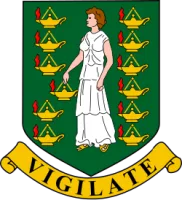
British Virgin Islands: Travel Guide & Requirements
Virgin Islands
The British Virgin Islands is a territory in Caribbean with its capital in Road Town. It has a population of 39,732 (#209 in the world) and covers 151 km². The official language is English. The currency is the United States dollar (USD, $).
Where is the British Virgin Islands? Map of the British Virgin Islands
Caribbean, between the Caribbean Sea and the North Atlantic Ocean, east of Puerto Rico.
- Region
- Caribbean
- Coordinates
- 18.4314° N, 64.6231° W
- Neighbours
- none (no land borders)
- Coastline
- 80 km
- British Virgin Islands
- Capital
Travel requirements
What you need to travel to the British Virgin Islands
- Passport
A passport valid for your whole stay (check the rules of the governing country).
- Travel advice
Safe to visit — US and UK advice.
Before you go
9 things to know before you travel to the British Virgin Islands
- Safety: Yes — the British Virgin Islands is generally safe to visit: the US State Department rates the British Virgin Islands Level 1 (“Exercise Normal Precautions”), and the UK Foreign Office has no warnings against travel there.
- Best time to go: December to April — when daytime highs in Road Town are around 26–27°C.
- Money: the United States dollar (USD) — 1 euro is about 1.1222 USD.
- Plugs: type A and B, 110 V, 60 Hz — low-voltage country: devices made only for 220–240 V need a voltage converter. Phone and laptop chargers (100–240 V) only need a plug adapter.
- Emergency numbers: Police 911 / 999, Ambulance 911 / 999, Fire 911 / 999.
- Language: English is official.
- Driving: on the left.
- Time zone: UTC-4 in Road Town.
- Capital: Road Town. About 39,732 people live in the British Virgin Islands.
Key facts
British Virgin Islands at a glance
Languages spoken: English (official), Virgin Islands Creole
Geography & history
About the British Virgin Islands
First inhabited by Arawak and later by Carib Indians, the Virgin Islands were settled by the Dutch in 1648 and then annexed by the English in 1672. The islands were part of the British colony of the Leeward Islands (1872-1960); they were granted autonomy in 1967. The economy is closely tied to the larger and more populous US Virgin Islands to the west, and the US dollar is the legal currency. In 2017, Hurricane Irma devastated the island of Tortola. An estimated 80% of residential and business structures were destroyed or damaged, communications disrupted, and local roads rendered impassable.
Location
Caribbean, between the Caribbean Sea and the North Atlantic Ocean, east of Puerto Rico
Climate
subtropical; humid; temperatures moderated by trade winds
Terrain
coral islands relatively flat; volcanic islands steep, hilly
Highest point
Mount Sage 521 m
Natural resources
NEGL; pleasant climate, beaches foster tourism
Natural hazards
hurricanes and tropical storms (July to October)
National symbols
zenaida dove, white cedar flower
Safety
Is the British Virgin Islands safe to visit?
Yes — the British Virgin Islands is generally safe to visit: the US State Department rates the British Virgin Islands Level 1 (“Exercise Normal Precautions”), and the UK Foreign Office has no warnings against travel there.
 US State Department
 UK Foreign Office (FCDO)
Latest update: New information about monitoring and reporting crime ('Safety and security' page).
Updated 3 Nov 2025 · Full travel advice
Sources: US Department of State travel advisories (public domain) and UK FCDO foreign travel advice (contains public sector information licensed under the Open Government Licence v3.0). Checked daily. Advice can change quickly — always read the official page before you travel.
Weather
Best time to visit the British Virgin Islands
The best time to visit the British Virgin Islands is December to April, when daytime highs in Road Town are around 26–27°C. May to July and November are also a good time to go. September is the warmest month (29°C by day), February the coldest (25°C at night), and October the wettest with about 104 mm of rain.
- Jan26°C25°C
- Feb26°C25°C
- Mar26°C25°C
- Apr27°C26°C
- May28°C27°C
- Jun28°C28°C
- Jul29°C28°C
- Aug29°C28°C
- Sep29°C28°C
- Oct29°C28°C
- Nov28°C27°C
- Dec27°C26°C
Best time Good Less ideal
Before you go
Plugs, voltage & emergency numbers in the British Virgin Islands
Plugs & sockets
110 V, 60 Hz · Low-voltage country: devices made only for 220–240 V need a voltage converter. Phone and laptop chargers (100–240 V) only need a plug adapter.
Sources: Wikipedia — Mains electricity by country and List of emergency telephone numbers (CC BY-SA 4.0).
Currency · 26 October 2026
United States dollar exchange rates today
The British Virgin Islands uses the United States dollar (USD, $).
What other currencies cost in USD
Currency converter
Daily reference rates from the open-source currency-api (CC0), 26 Oct 2026. Banks and exchange offices add a margin.
World rankings
Where the British Virgin Islands ranks
How the British Virgin Islands compares with the rest of the world — open any card for the full ranking.
Airports
Airports in the British Virgin Islands
8 airports and airfields — 1 large, 1 medium and 1 small, plus 2 heliports. 2 have scheduled passenger flights.
Borders
No land borders
The British Virgin Islands has no land borders with other countries. Coastline: 80 km.
People
Population & society
Religion
Largest cities: Road Town (15,000)
Economy
Economy
Main industries
tourism, light industry, construction, rum, concrete block, offshore banking center
Export partners
Malta 33%, Guyana 22%, Greece 11%, Germany 7%, Indonesia 4% (2023)
Top exports
ships, refined petroleum, aircraft, molasses, precious stones (2023)
Travel tools
Handy before every trip to the British Virgin Islands
Frequently asked questions about the British Virgin Islands
What do I need to travel to the British Virgin Islands?
Where is the British Virgin Islands?
What is the capital of the British Virgin Islands?
What language is spoken in the British Virgin Islands?
What currency does the British Virgin Islands use?
What is the calling code of the British Virgin Islands?
Does the British Virgin Islands have land borders?
Is the British Virgin Islands safe to visit?
When is the best time to visit the British Virgin Islands?
What plug type does the British Virgin Islands use?
How many airports does the British Virgin Islands have?
Sources: CIA World Factbook (public domain); World Bank Open Data (CC BY 4.0); names, languages and currencies: mledoze/countries (ODbL); flag: flag-icons (MIT); coat of arms: Wikimedia Commons (file page); exchange rates: Daily reference rates from the open-source currency-api (CC0); airports: OurAirports.