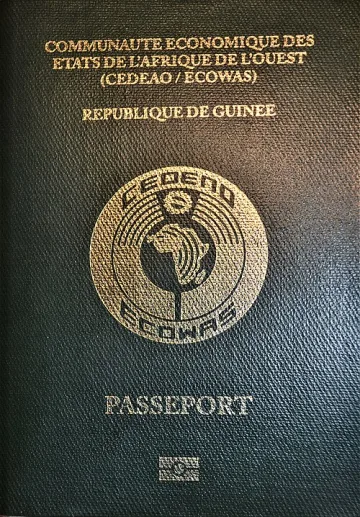
What the Morocco visa rules mean for Guinea travellers
Guinea citizens do not need a full visa for Morocco, but they must obtain an electronic travel authorisation (eTA) online before they fly. An eTA is linked to your passport number and is usually approved within minutes to a few days; airlines check it at check-in, so apply before you book non-refundable travel.
The main option is the Electronic Travel Authorisation for Morocco (AEVM).
Documents to prepare
Whatever your visa status, Morocco applies the same entry conditions to every traveller:
- Passport validity: The UK Foreign Office says your passport must have an expiry date at least 3 months after the date you arrive in Morocco, and that the Moroccan authorities have refused entry to some travellers with damaged passports.
- Vaccinations: Polio: The UK Foreign Office says that if you arrive from a polio-affected country, you must have a certificate proving you have had a polio vaccine.
- Travel insurance: The eVisa portal's terms say eVisa holders must be able to show, on arrival, hospital and medical repatriation insurance covering their stay. No official source we could read states an insurance requirement for visa-exe…
- Return or onward ticket: The eVisa portal's terms say eVisa holders must be able to show a return ticket at the border on arrival. No official source we could read states a ticket requirement for visa-exempt visitors.
Morocco entry rules compared
Morocco lets 76 passports in without a visa, issues eVisas to 10 and requires an embassy visa from 108. Guinea citizens are treated the same way as Ghana and Republic of the Congo. Overall the Guinea passport ranks #152 in the world with 27 visa-free destinations.
More travel options
Planning a longer trip in Africa? With a Guinea passport you can also visit 16 countries in the region without a visa, including Burkina Faso, Benin, Côte d'Ivoire, Cape Verde, Ghana, Gambia, Guinea-Bissau and Kenya.
In the other direction, Morocco citizens can visit Guinea visa-free.


 Guinea
 Morocco