
 BangladeshTravel
Bangladesh's new trafficking law changes how airport document checks are handled
Bangladesh passed a new anti-trafficking and migrant smuggling law in April 2026, and investigators are now treating people found with fraudulent travel documents as potential victims rather than offenders.
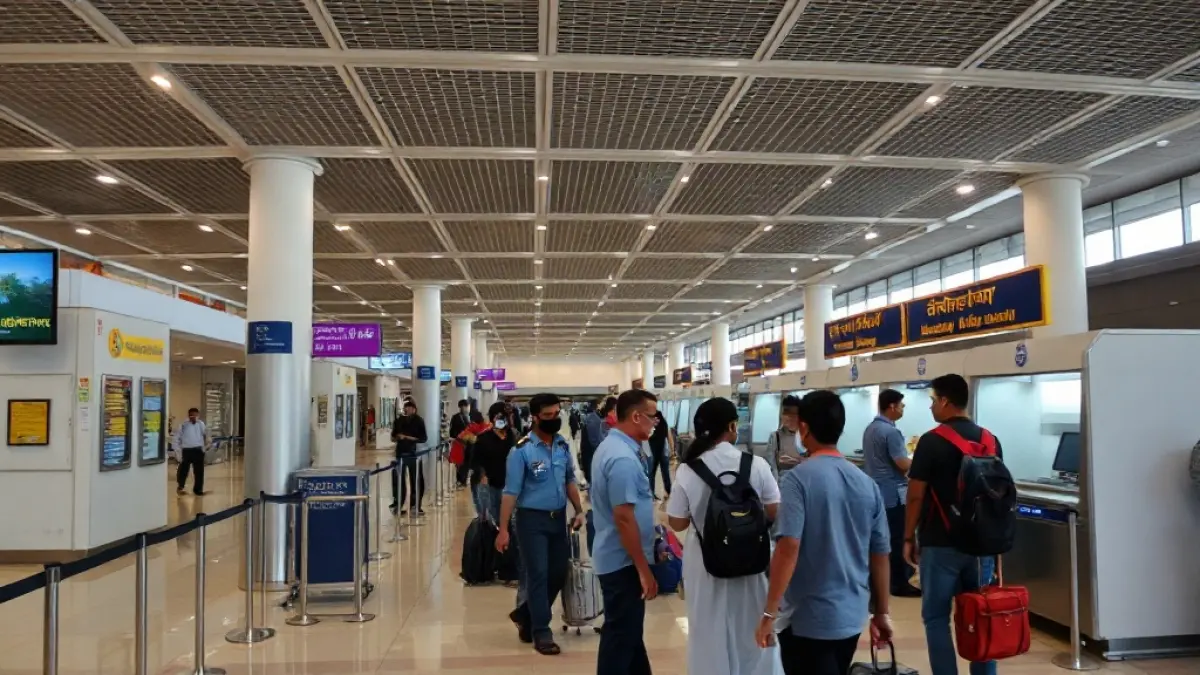
Border officials in Bangladesh are changing how they treat travellers caught with suspicious documents, as the country puts a new anti-trafficking law into practice. Investigators say the aim is to target the networks supplying forged papers rather than the people carrying them.
Key facts
- April 2026: Bangladesh passed the Prevention and Suppression of Human Trafficking and Migrant Smuggling Act
- The law strengthens provisions against trafficking, introduces clearer and stronger penalties and improves investigative procedures
- More than 1,000 victims were reported by national authorities between April 2023 and March 2024
- Investigators say some fraudulent travel permissions are forged abroad and sent to people in Bangladesh
- UNODC support is funded through a three-year European Union project covering South Asia
What is changing?
Following training from the United Nations Office on Drugs and Crime (UNODC) on identifying and supporting victims, front-line responders are increasingly looking beyond people caught in suspicious circumstances to spot signs of exploitation. A traveller presenting what appears to be a fraudulent visa may now be treated as a potential victim rather than an offender.
Mohammad Badrul Alam Molla, Head of the Human Trafficking Unit at Bangladesh's Police Criminal Investigation Department (CID), said the focus is "on going after the people who supplied her with those papers, not her."
Why was the new law introduced?
Bangladeshi nationals continue to be identified as victims of human trafficking across multiple regions of the world, with more than 1,000 victims reported by national authorities between April 2023 and March 2024. The Act, developed with UNODC support, aligns the country's legislation with international standards and gives authorities stronger tools to investigate and prosecute human trafficking and migrant smuggling.
What are the practical challenges?
Investigators report that document fraud is a growing concern, increasingly carried out with the help of artificial intelligence. Some fraudulent permissions traced by the authorities were not made in Bangladesh at all, but forged abroad and sent to people in the country.
Cross-border cases remain difficult. Where no extradition arrangement exists between countries, authorities rely on other international mechanisms to pursue suspects and obtain evidence, a process that can take months. UNODC facilitates joint investigations and helps build partnerships with international, governmental and non-governmental organisations. One case cited involved women trafficked from Bangladesh through Myanmar into Malaysia.
What this means for travellers
Travellers passing through Bangladeshi airports should expect document checks to be taken seriously: suspected forgeries are now more likely to be investigated as possible trafficking rather than treated only as an immigration offence by the holder. Anyone offered travel papers by an intermediary abroad should be aware that authorities are tracing the suppliers of such documents.
Implementation of the law continues, with police stations across the country being guided on filing cases under the correct legal provisions so that prosecutions do not collapse over procedural mistakes or incorrect charges.
 Myanmar
 Malaysia