
 BeninEntry rules
Digital ID trial for Benin border crossings remains test-only until 2027
Benin, Ghana and Rwanda have completed Phase 1 of a cross-border digital ID pilot, Smart Africa announced on 20 October 2026. The test used invented records and nothing changes at borders yet; an operational pilot is targeted for early 2027.
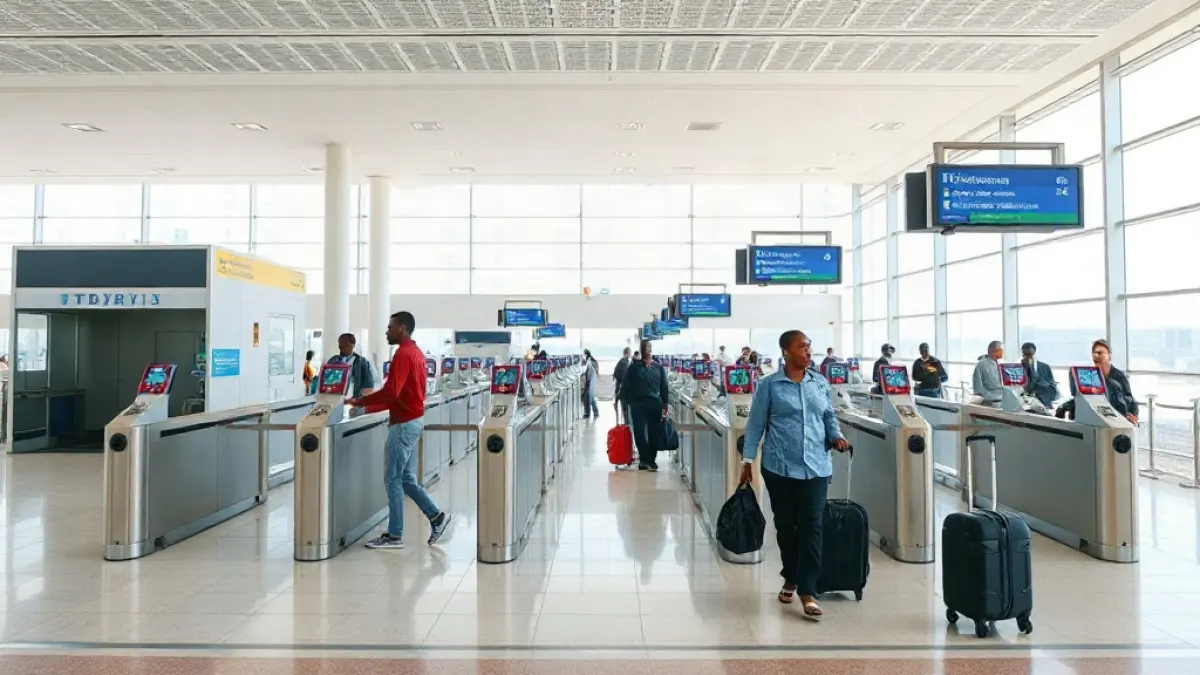
Benin, Ghana and Rwanda have linked their national digital ID systems and completed the first phase of a cross-border identity verification pilot, Smart Africa announced from Kigali on 20 October 2026. The test used synthetic data — invented records — so no traveller's real identity has been verified in another country, and the system cannot yet be used at any border.
Key facts
- Announced: 20 October 2026, by Smart Africa
- Countries in the test: Benin, Ghana and Rwanda
- Phase 1 status: completed, using synthetic data in a controlled test environment
- Next step: Phase 2 operational pilot targeted for early 2027, subject to national approvals
- What does not change: visa requirements and immigration law
What was tested?
Phase 1 connected the three countries' national ID systems and ran an end-to-end identity verification using made-up records in a controlled test environment. Each country keeps its own ID database; the Smart Africa Data Exchange (SADX) carries a verification request from one national system to another without storing the records being checked. A rulebook alongside it, the Smart Africa Trust Alliance (SATA), sets out how participating countries trust and cooperate with each other.
Smart Africa says there is no central African identity database. For a traveller, the idea is that a Rwandan arriving in Ghana could eventually be checked against Rwanda's own records.
What does it change for travellers?
Nothing yet at borders. Smart Africa's director of digital transformation and services, Ralph Oyini Mbouna, says the first use is travel, and that the same check could later apply to opening a bank account or checking in to a hotel where national rules allow it. Smart Africa's release also lists proving a business is registered, having a diploma recognised and showing vaccination records as possibilities — none of these has been tested.
On border queues, Mbouna says Smart Africa would like to explore dedicated lanes and automated e-gates, which are self-service passport barriers, with participating countries. None of that was part of Phase 1. SADX does not remove visa requirements or change immigration law, and each country would still apply its own entry rules. What could change is how fast the identity check itself happens.
Who is running it?
Each country runs its part through its national ID and IT agencies, among them Ghana's National Identification Authority and Rwanda's National Identification Agency. The African Development Bank, the European Union, Norway's development agency Norad and Co-Develop support the pilot, and a company called Ascend Digital Solutions is delivering the technical foundation.
What comes next?
Phase 2 will prepare a controlled operational pilot, testing the system inside real procedures with immigration, digital ID and data protection institutions. Mbouna says the target is early 2027, subject to national approvals, and Smart Africa's release adds security assessments and operational readiness as conditions.
Smart Africa has not said which details about a person are passed between countries, or what a traveller has to agree to before a check runs. Phase 2 is where data protection institutions come in.
What this means for travellers
Travellers to Benin, Ghana and Rwanda should expect no change to entry procedures for now: visa requirements and immigration rules stay as they are, and the cross-border ID check is not yet live at any border. Those planning travel in the region can watch for the Phase 2 pilot targeted for early 2027.
Kenya is not among the 19 countries that have signed the SATA Declaration, so nothing changes for Kenyan travellers. Smart Africa says the results of each phase go to those signatories, who will be invited to consider joining later phases, and that membership is open to every African country.
 Ghana
 Rwanda
 Kenya