
 Central African RepublicEntry rules
CAR adds Ebola screening at DR Congo river border crossings
The Central African Republic has stepped up health screening at river border posts with the Democratic Republic of Congo, where Ebola cases have passed 10,000. All arriving and departing passengers are now checked by community health workers.
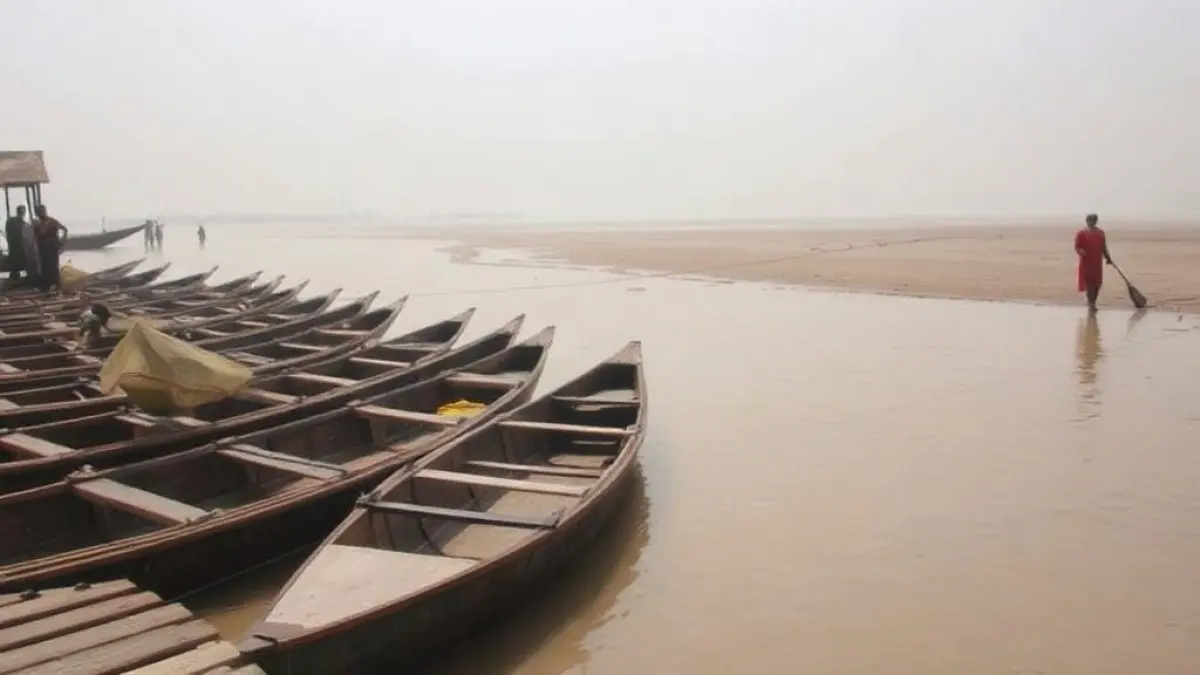
The Central African Republic has tightened health screening along its river border with the Democratic Republic of Congo (DRC), where the number of Ebola cases has passed 10,000. The checks apply at frontier posts on the Oubangui river, including the M'Poko Bac pier south-west of the capital, Bangui.
Key facts
- Ebola cases in the DRC have reached more than 10,000, and the country is the epicentre of the outbreak.
- Screening has been stepped up at river border posts, including the M'Poko Bac pier near Bangui.
- All passengers, both arriving and departing, are systematically screened by community health workers.
- The two countries share a largely unmonitored frontier of more than 1,500 kilometres.
- No Ebola cases have been reported in the Central African Republic so far.
What is changing at the border?
Central African authorities say they have toughened controls at entry points along the river. Posts are staffed by health workers, the Water and Forests Department, Customs, Civil Protection and Internal Security Forces, and every passenger — those arriving and those leaving — is screened by community health workers.
At the M'Poko Bac pier, passengers arriving by canoe dock at the entry point and disembark one at a time. Maldiana Bagalama, who is responsible for health screening at the site, said travellers are directed to a hand-washing station, briefed on the situation, and then sent to a tent for temperature checks and registration.
Why has CAR stepped up checks?
While the DRC is the epicentre of the outbreak, the virus has spread to several other countries, with several cases reported in Kenya and one detected as far west as Nigeria. Dr Valentin Nebanga, head of the Health Promotion Department at the Ministry of Health, noted that the same communities live on both sides of the border, producing heavy movement of people and goods across a porous and largely unmonitored frontier.
The authorities have also launched awareness campaigns, drafting in neighbourhood chiefs, community leaders and religious figures to pass prevention guidelines to residents. Dr Nebanga said keeping the public engaged is central to preparedness while there are no reported cases in the country, but he conceded that "we are never fully prepared" and that retaining staff is the biggest challenge.
What this means for travellers
Anyone crossing the Oubangui river between the Central African Republic and the DRC — including by canoe — should expect health screening on arrival and departure, including hand washing, temperature checks and registration. Economic activity along the river continues, and the source describes no closures or travel restrictions.
No end date for the enhanced checks has been announced. The Ministry of Health says it continues to monitor the situation while no cases have been reported in the Central African Republic.
 Kenya
 Nigeria