
 ComorosEntry rules
New Law in Comoros Affects Foreign Workers' Employment Opportunities
A new law in Comoros restricts foreign nationals from holding certain jobs, impacting many workers, especially from Madagascar. This legislation aims to promote local economic sovereignty but raises concerns about discrimination and job security for expatriates.
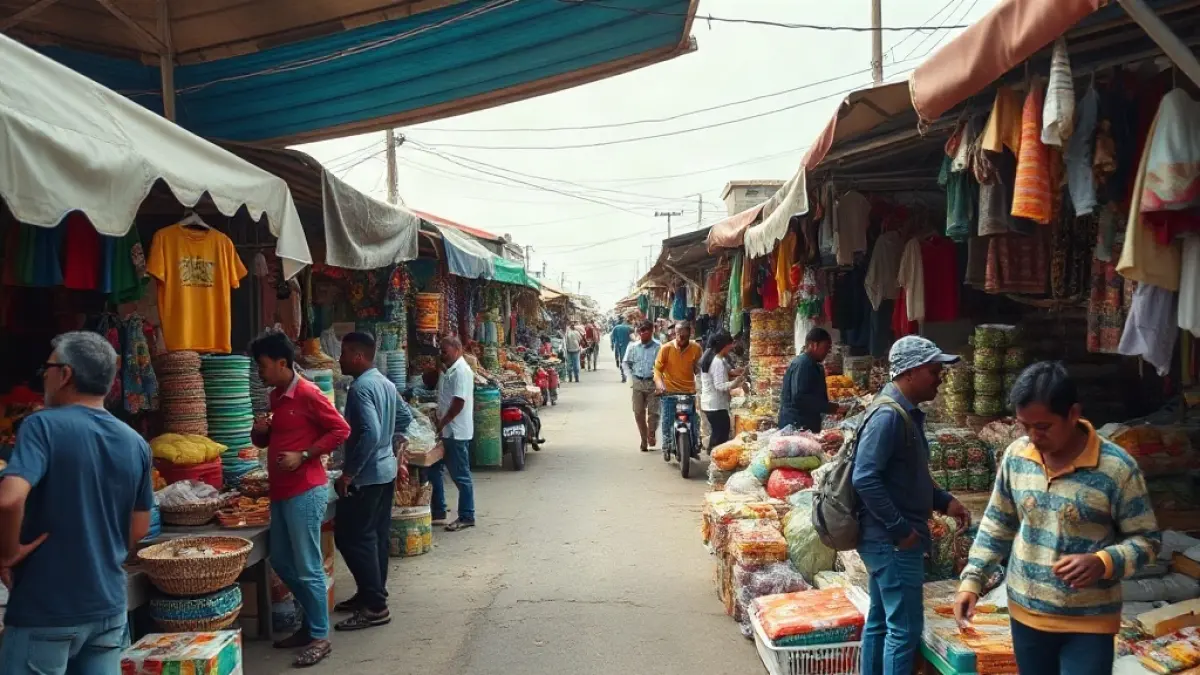
A recent law enacted in Comoros has created significant challenges for foreign workers, particularly those from Madagascar. The legislation, which came into effect in July, prohibits foreign nationals from engaging in specific job sectors, leading to fears of financial instability among those affected.
Impact of the New Law
Foreign workers, like Larissa Razafitianna, a Malagasy shoe vendor in Comoros, express anxiety over their livelihoods as they face restrictions that limit their employment opportunities. Many expatriates, who previously relied on their jobs to support families back home, are now uncertain about their financial futures.
Support and Criticism of the Legislation
While supporters of the law argue that it fosters economic sovereignty and social justice, critics claim it is discriminatory and may exacerbate the vulnerabilities of foreign workers. The Vice-President of New OPACO, Hamidou Mhoma, defended the law, stating it aligns with similar measures taken by other countries in the region, such as Tanzania, which has also restricted foreign ownership in certain business sectors.
Regional Context
The situation in Comoros reflects a broader trend in East Africa, where several nations are implementing policies to limit foreign participation in local economies. Recent comments from Kenyan officials regarding foreign vendors have also sparked concerns about rising tensions and potential violence against expatriates.
As the situation evolves, foreign workers in Comoros are advised to stay informed about their rights and any changes to employment regulations that may affect their status in the country.
Also about:  Madagascar
 Tanzania
 Kenya