
 GambiaEntry rules
Senegal and Gambia Finalize Border Demarcation Agreements
Senegal and Gambia have completed the first phase of border demarcation, signing nine agreements to formalize their international boundary. This initiative aims to replace unreliable natural markers with precise geographical coordinates.
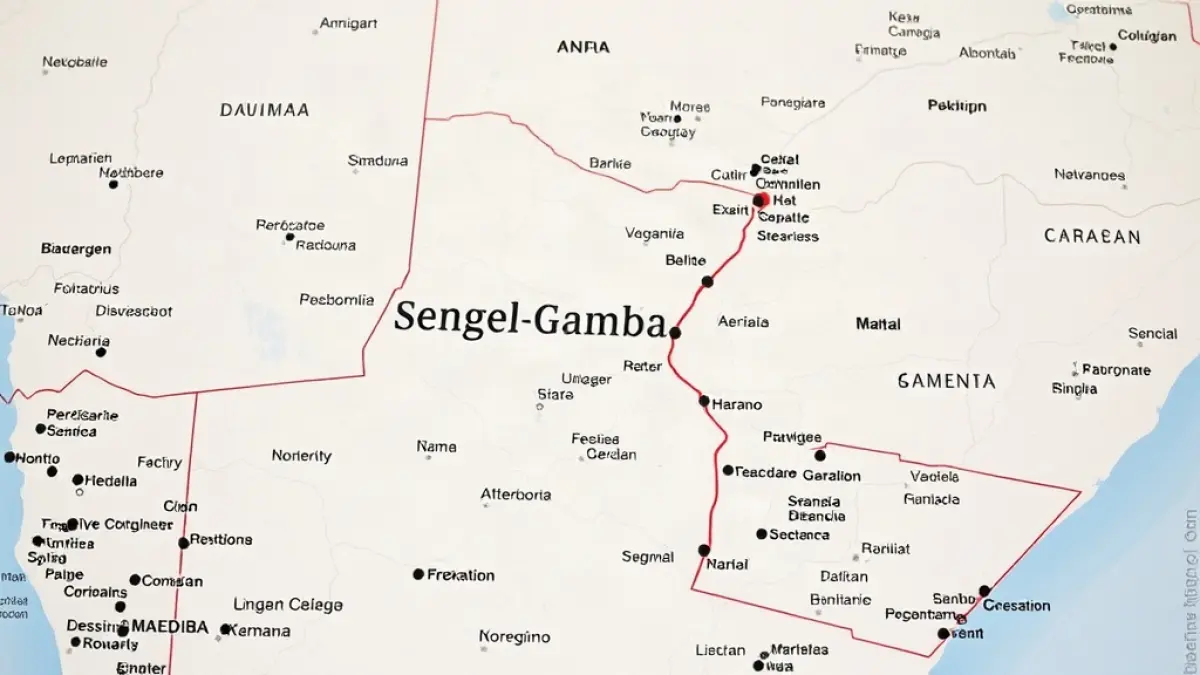
Senegal and Gambia have reached a significant milestone in their border relations by completing the first phase of a border demarcation project. This phase, which covers nearly 30 kilometers between Dimbaya and Kanao, has resulted in the signing of nine agreements aimed at formalizing the international boundary between the two nations.
Details of the Demarcation
The border demarcation process involved a six-week effort where joint teams from both countries reaffirmed colonial-era markers, conducted topographical surveys, and installed new boundary points. This comprehensive approach included historical research and verification to ensure the accuracy of the newly established markers.
Significance of the Agreements
The signed agreements provide a structured framework for the ongoing boundary operations, detailing aspects such as descriptive sheets for each marker. The collaboration included experts from Ghana and Burkina Faso, highlighting the regional importance of this initiative.
Implications for Stakeholders
The formalization of the border is crucial for individuals and businesses with interests near the Senegal-Gambia border. The transition from unreliable natural markers to precise, documented points could impact property rights and resource access in the area. Stakeholders are advised to review the agreements to understand their implications on land use and ownership.
This border demarcation project represents a commitment from both Senegal and Gambia to establish a clear and mutually recognized international boundary, fostering stability in cross-border relations and economic activities.
Also about:  Senegal