
 GrenadaVisas
Caribbean retirement permits and income rules island by island
A comparison of eight Caribbean retirement destinations sets out the permits and income thresholds facing foreign retirees, from the Dominican Republic's Pensionado Visa to Belize's Qualified Retirement Program. Stay limits differ, and no Grenada-specific entry rules are given.
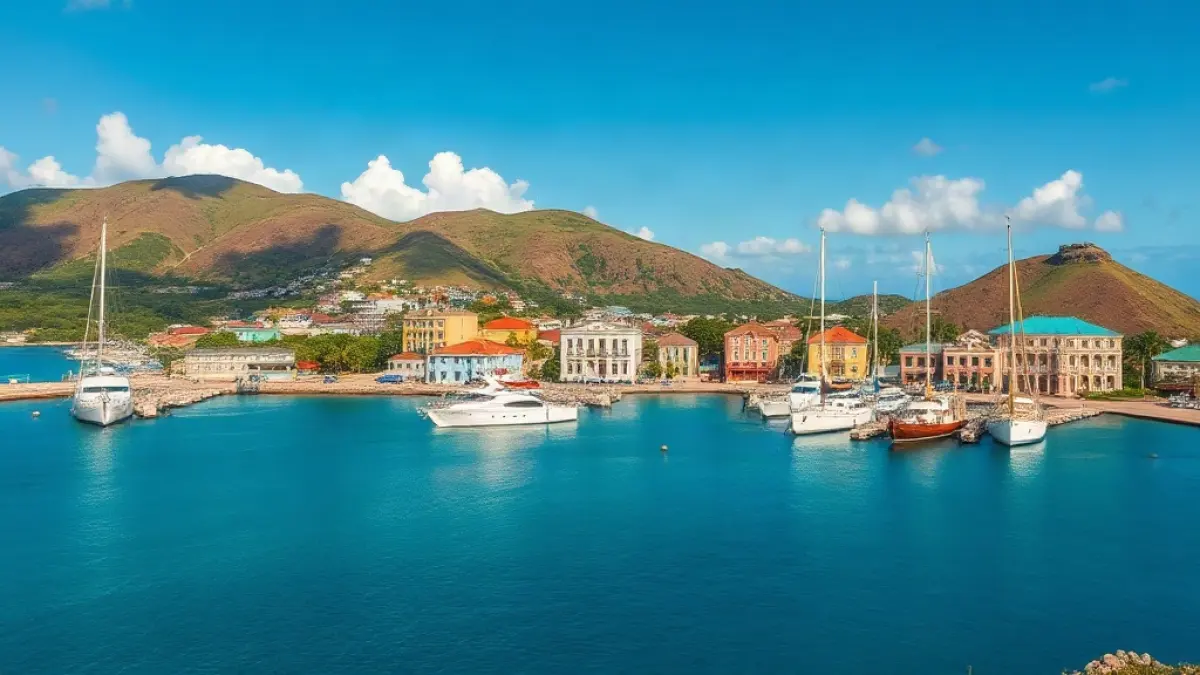
Retirees considering the Caribbean face very different entry and residency rules from one island to the next. A comparison of eight destinations published on 24 October 2026 sets out the permits, income thresholds and stay limits facing foreign retirees, alongside estimated monthly costs.
The routes on offer range from income-based retirement visas in the Dominican Republic and Belize to permanent residency after longer stays in Barbados and St. Lucia. All of the stay limits and requirements listed are given for Canadian retirees.
Key facts
- Dominican Republic: the Pensionado Visa requires a monthly income of about $2,000.
- Belize: the Qualified Retirement Program is open to applicants aged at least 40 with about $2,700 a month in income from outside the country.
- Jamaica: Canadian retirees can stay up to six months without a visa; longer stays require permanent residency and proof of income.
- Barbados: most retirees apply for immigrant status at 60 or older, with permanent residency possible after five years.
- Curaçao: a residence permit is required for stays of more than 90 days.
- Estimated monthly costs run from $1,400 to $3,000 across the eight islands.
What residency routes are on offer?
Dominican Republic. The Pensionado Visa requires a monthly income of about $2,000.
Belize. The Qualified Retirement Program (QRP) accepts foreigners aged at least 40 who receive about $2,700 a month from outside Belize. They must live in the country for at least 30 days each year.
Barbados. High-income individuals can apply for the Special Entry and Reside Permit (SERP). Most retirees will instead apply for immigrant status at 60 years of age or older, and after five years of that status they can apply for permanent residency.
Jamaica. Canadian retirees may stay up to six months without a visa. Staying longer requires an application for permanent residency with proof of income, usually about $2,000 a month.
Curaçao. Canadian retirees who want to stay longer than 90 days must apply for a residence permit as a retired person or pensionado. The permit requires proof of financial self-sufficiency or an investment in local real estate.
Aruba. Long-term residency requires a residence permit and a showing of sufficient financial means, typically through pensions or investments.
St. Lucia. There is no specific retirement visa. After five years of continuous residency, expats can apply for permanent residency permits. Permanent residency can also be gained through the country's Citizenship by Investment program by donating to the National Economic Fund or purchasing real estate.
How much does retirement cost each month?
The comparison gives estimated monthly costs in dollars, without stating the currency:
- Dominican Republic: $1,400 to $1,900
- Belize: $1,500 to $2,000
- Jamaica: $1,600 to $2,200
- Barbados: $2,000 to $2,500
- Curaçao: $2,000 to $2,800
- St. Lucia: $2,000 to $2,800
- Aruba: $2,200 to $3,000
Housing, groceries, utilities and daily expenses make up the bulk of these costs. Healthcare differs too: public care exists in Jamaica but most expats there and in Belize use private hospitals and clinics, while Barbados, Curaçao and Aruba are described as having strong public and private systems.
Where does Grenada fit in?
Grenada, known as the Spice Isle, is listed as a peaceful and affordable retirement option that is less crowded than some of the larger Caribbean destinations. The comparison highlights its rich and welcoming culture and says the island usually sits off most tourists' radar.
The Grenada entry gives no monthly cost estimate, visa requirement or residency route, so no Grenada-specific entry rules can be reported here.
What this means for travellers
Retirees should line up their age and income against each island's threshold before making plans. Belize's programme is limited to applicants aged at least 40 with income earned outside the country, while Barbados' routes are aimed at people aged 60 or over, or at high-income applicants.
Anyone expecting to stay past a visa-free limit also needs the right status: the comparison gives six months visa-free in Jamaica for Canadian retirees and a 90-day limit in Curaçao before a residence permit is required.
The eight destinations were scored on cost of living, healthcare access, safety and political stability, residency and visa options, climate and lifestyle, infrastructure, and expat and retiree communities.
The list places the Dominican Republic first and Grenada eighth. No rule changes, deadlines or application dates are announced, so requirements should be confirmed before booking or relocating.
Also about:  Canada
 Dominican Republic
 Barbados
 Belize
 Jamaica
 Saint Lucia
 Aruba