
 HaitiEntry rules
Travelers with Haiti ties in US may lose legal stay after June 25 court ruling
The US Supreme Court ruled on 25 June 2026 that the Trump administration can cancel temporary protected status (TPS) for Haitians and Syrians, a decision expected to affect about 1.3 million people living and working in the United States.
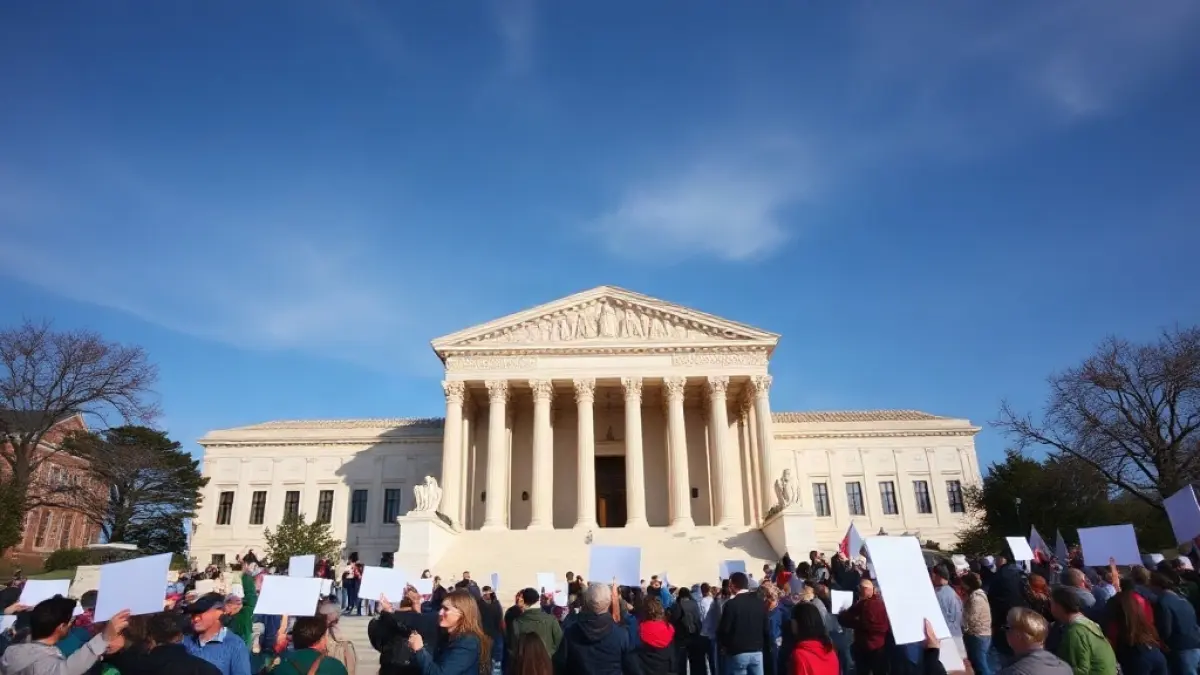
The US Supreme Court ruled on Thursday, 25 June 2026, that the Trump administration may cancel temporary protected status (TPS) for Haitians and Syrians, ending legal protection from deportation and work authorisation for thousands of people. The decision is expected to affect the approximately 1.3 million people who rely on TPS to live and work in the United States legally.
Key facts
- Ruling date: 25 June 2026, decided 6-3
- Who is affected: Haitian and Syrian TPS holders in the United States
- Scale: about 1.3 million people rely on TPS nationwide
- What TPS provides: work authorisation and protection from deportation
- Wider effect: the ruling supports similar terminations already carried out for 13 countries
What did the Supreme Court decide?
Writing for the 6-3 majority, Justice Samuel Alito concluded that the law creating the TPS programme does not give courts the authority to second-guess the Department of Homeland Security's decisions about which countries keep the protected status. In most cases, he said, courts cannot override the federal government's determination about TPS status.
Alito wrote that the statute "allows 'no judicial review of any determination ... with respect to the ... termination of a TPS designation'" for non-constitutional claims.
What is TPS and who grants it?
TPS was established by the Immigration and Nationality Act. It provides work authorisation and protection from deportation for as long as the Homeland Security Secretary certifies that a foreign country is unsafe because of armed conflict, natural disaster, or "extraordinary and temporary conditions."
Then-DHS Secretary Kristi Noem moved in separate acts last year to terminate TPS for Haiti and Syria, certifying that conditions in both countries were sufficiently safe for immigrants to return. Lower courts blocked those decisions, finding that Noem had not followed proper procedures and may have unlawfully discriminated on the basis of race.
Who is affected and where?
More than 113,000 Haitian TPS holders work in Florida alone, according to the Florida Immigrant Coalition. Ohio Governor Mike DeWine said more than 10,000 Haitians living in Ohio, mostly in the Springfield area, were there legally through TPS and will now be subject to immediate deportation. He added that it is now illegal to employ them.
The source notes that Haiti has faced a devastating earthquake in 2010, further natural disasters, political unrest after a presidential assassination, and waves of gang violence. Syria descended into civil war around 2011 and a major earthquake in 2023 deepened its economic and humanitarian crisis.
What happens next?
Attorneys for the Haitian plaintiffs, Geoffrey Pipoly and Andrew Tauber, urged the Senate to pass an extension of TPS that they said is pending in that chamber. The source states it is unclear whether Congress will vote on an extension, and that President Donald Trump, who has repeatedly called for an end to TPS protections, would be unlikely to sign it.
Department of Homeland Security General Counsel James Percival praised the ruling, saying many designations had become "de facto amnesty." Justice Kagan, writing for the court's liberals, argued the statute does allow courts to review whether the department followed legally required procedures when cancelling status.
What this means for travellers
Haitian and Syrian nationals in the United States on TPS should check how the decision affects their individual status and work authorisation, and watch for any congressional action on the pending extension. The ruling also signals that similar TPS terminations for other countries are unlikely to be overturned by courts.
Also about:  Syria
 United States