
 United StatesEntry rules
El Salvador travellers face deportation risk as TPS court challenges limited
A June 2026 Supreme Court decision means federal courts cannot review most challenges to ending Temporary Protected Status (TPS). Around 1 million people from 17 countries have lost or will soon lose protection from deportation and work authorisation.
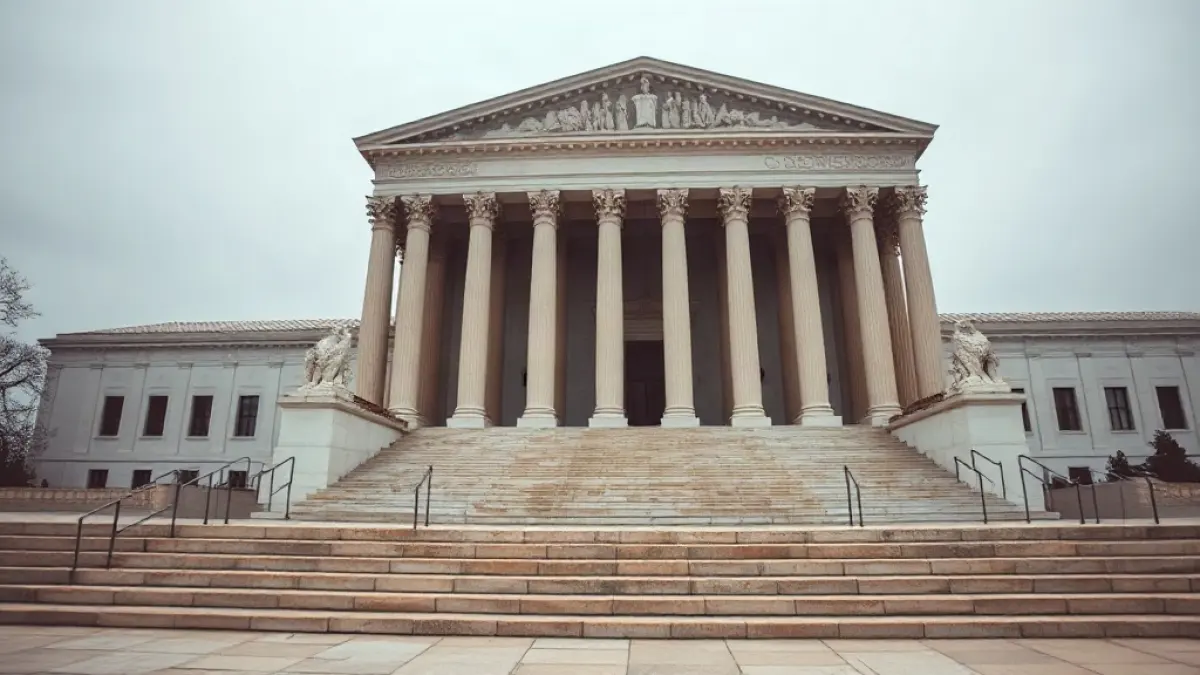
About 1 million people living in the United States under Temporary Protected Status (TPS) have lost, or are about to lose, their protection from deportation and their permission to work. A Supreme Court ruling in June 2026 has removed one of the main legal routes for challenging those terminations, leaving many TPS holders with no clear next step.
Key facts
- At the start of President Donald Trump's second term, 1.3 million people from 17 countries lived and worked in the U.S. under TPS.
- Since 2025, the administration has terminated or declined to renew TPS for 13 of those countries.
- Lower courts blocked the terminations for Syria and Haiti, but appeals reached the Supreme Court.
- In June 2026, the court ruled in Mullin v. Doe that federal courts cannot review most challenges to a TPS termination.
- TPS never leads to permanent residence, so most holders have little legal recourse once protection ends.
What is changing?
TPS is a humanitarian shield from deportation for people who cannot go home because of armed conflict, environmental disaster or other extraordinary circumstances. From 2025, the Trump administration began ending or not renewing TPS for affected countries and has worked through 13 of them.
In the autumn of 2025, the White House announced it would not renew TPS for Syria or Haiti. Syria's status was set to expire after 60 days and Haiti's in February 2026. Lower courts blocked both terminations, prompting appeals.
Why can the decisions no longer be challenged?
In June 2026, in Mullin v. Doe, the Supreme Court held that federal courts cannot review most challenges to a TPS termination, because the original 1990 law creating TPS barred judicial review of decisions to grant, extend or end a country's designation.
The Department of Homeland Security's general counsel, James Percival, welcomed the ruling, saying "Temporary Protected Status was always supposed to be temporary and can be canceled at the appropriate time." The commentary notes that the ruling means no court can examine whether a cancellation is appropriate or lawful.
Who is affected?
Most TPS holders, the source states, never had a route to permanent status and now face deportation and separation from families and communities they have lived in for decades. Some may be returned to countries including Afghanistan, Haiti and Syria, all of which appear on the U.S. State Department's "Do Not Travel" list because of war, terrorism or other extreme violence.
Not everyone from a designated country qualifies: anything that disqualifies a person from asylum — national security concerns, persecution of others or criminal history — also rules out TPS. Congress passed laws creating permanent residence pathways for certain nationalities with TPS, such as through the Nicaraguan Adjustment and Central American Relief Act, but not for most.
What this means for travellers
People in the U.S. under TPS should check whether their country's designation has ended or is due to end, since the loss of protection also removes work authorisation. The source gives no dates for the remaining countries' terminations.
Congress created TPS in the Immigration Act of 1990, with El Salvador the first country designated, after displaced Salvadorans were denied both Extended Voluntary Departure and asylum more than 90% of the time during the country's 1980s civil war. Whether TPS holders should gain anything more permanent was left to future congressional action, and no such step is described in the source.
Also about:  El Salvador
 Syria
 Haiti
 Afghanistan