
 HondurasTravel
El Niño Drought May Increase Migration from Honduras to the US
The ongoing El Niño drought is expected to drive more Hondurans to migrate to the United States, compounding existing socioeconomic challenges.
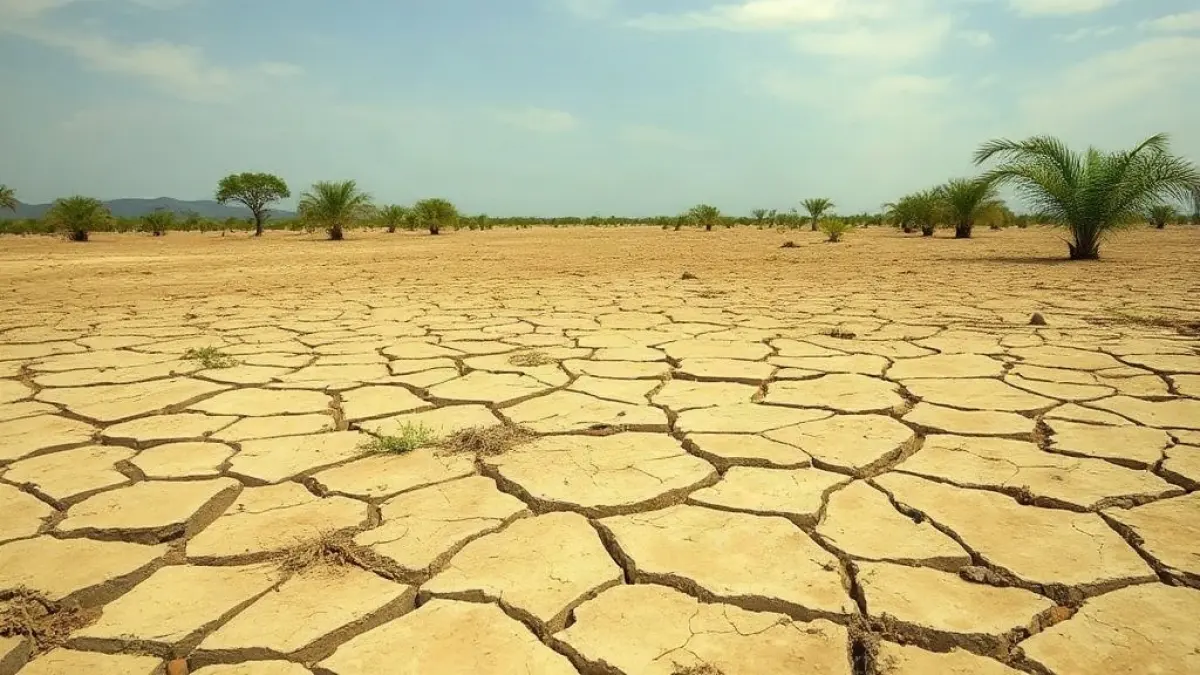
The ongoing drought caused by the El Niño weather phenomenon is likely to exacerbate migration from Honduras to the United States. As of October 2, 2026, experts are warning that this environmental crisis, combined with existing violence and economic hardship, is pushing more people to seek a better life abroad.
Impact of El Niño on Migration
Honduras has recently witnessed the departure of migrant caravans heading toward the U.S., with the first caravan of the year reportedly consisting of 200 to 400 individuals. This number is expected to grow as the El Niño drought worsens, particularly affecting regions like Choluteca, where communities are facing severe food insecurity and water shortages.
Current Challenges in Honduras
The Honduran government has declared a red alert for 80% of the country, affecting approximately 1.8 million people due to extreme drought conditions. This situation is compounded by high levels of violence, as Honduras has one of the highest homicide rates in Latin America. Protests against rising living costs have also erupted, indicating widespread discontent among the population.
Future Migration Trends
Experts suggest that climate-induced migration differs from migration driven by violence. Those affected by climate issues may initially relocate within the country before ultimately deciding to leave Honduras altogether. However, the rising costs of migration—now estimated between $15,000 and $18,000—make it increasingly difficult for many to pursue this option.
As the humanitarian crisis unfolds, organizations like COPECO are preparing for the worst impacts of the drought, which are expected to peak in the coming months. The situation remains dire for many Hondurans, who feel they have no choice but to consider migration as a last resort.
Also about:  United States
 Guatemala
 El Salvador
 Ecuador
 Haiti