
 IranTravel
UK advises against all travel to Iran as regional conflict disrupts routes
The UK Foreign Office advises against all travel to Iran and warns British nationals of arrest risk, flight cancellations and short-notice border closures amid regional conflict. Its advice was updated on 27 October 2026.
The UK Foreign, Commonwealth & Development Office (FCDO) advises against all travel to Iran, and it is urging British nationals already in the country to weigh up the risks of staying. The advice page was updated on 27 October 2026, with the latest change covering regional tensions.
Travellers should note that insurance cover may be invalidated if a trip goes ahead against FCDO advice.
Key facts
- Advice status: against all travel to Iran
- Last updated: 27 October 2026
- Highest-risk group: British and British-Iranian dual nationals
- Flights: no direct air travel from Iran to the UK
- Consular help: extremely limited; no face-to-face assistance in an emergency
Why is the advice so severe?
British and British-Iranian dual nationals are at significant risk of arrest, questioning or detention, the FCDO says. Holding a British passport, or being seen as having connections to the UK, can be reason enough for the Iranian authorities to detain someone. Anyone detained could face months or years of imprisonment.
The FCDO also points to the wider regional situation. Since conflict began in early 2026, Iran has stated its intention to target locations associated with the US and Israel, including organisations, businesses, facilities and institutions. Strikes and retaliatory attacks by Iran and others have hit civilian and US military infrastructure across the region.
What should travellers in the Middle East expect?
British nationals in or travelling through the Middle East should be ready for possible flight cancellations, airspace closures and travel disruption, the FCDO says. It advises them to sign up for travel advice email alerts, monitor local and international media, stay away from areas around security or military facilities, and keep departure plans under review with travel documents up to date.
Anyone told to take shelter should go indoors or to the nearest safe building or designated shelter. An interior stairwell or a room with as few external walls or windows as possible may offer added protection, as the greatest risk comes from falling debris.
What are the travel options out of Iran?
Air, sea and land routes are under the control of the Iranian authorities, and ports and borders may close at short notice. Communications across Iran are disrupted, with limits on internet access. The US and Israel have struck infrastructure across Iran, and reports suggest ports, roads, railways, bridges, energy facilities, oil production sites, water systems and airports have been affected.
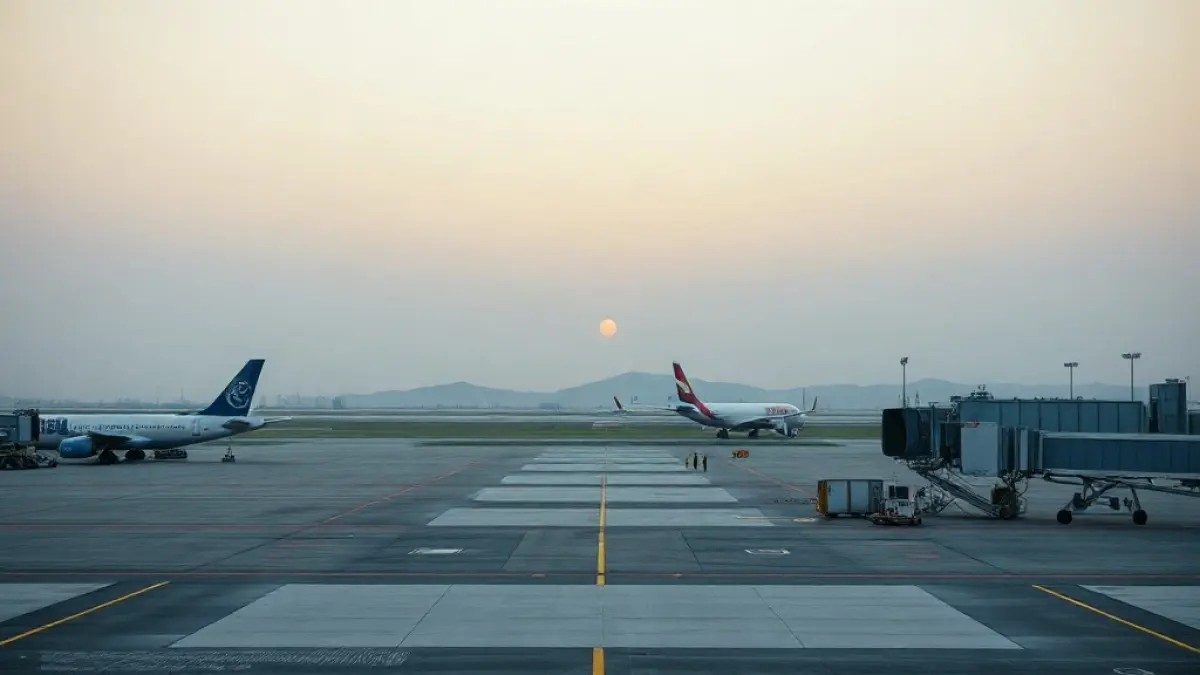
There are no direct flights from Iran to the UK. A limited number of commercial airlines still operate international flights out of the country, and Iranian airspace may close at short notice.
Which land borders can be used?
Overland departure is at the traveller's own risk, and entry requirements in neighbouring countries may change at short notice. The FCDO highlights the following:
- Armenia: British nationals do not need a visa for stays of up to 180 days per year.
- Azerbaijan: the FCDO must register your details with the Azerbaijani authorities in advance to issue a registration code; this can take several weeks, and a visa is required.
- Turkey: the border remains open visa-free for UK or Iranian passport holders for stays of up to 90 days. British nationals must request facilitation from the British Embassy in Ankara before travelling to the border, giving the border point, name, date of birth and travel document details. The Esendere-Serow crossing is closed on the Iranian side to daily traders.
- Turkmenistan: special permission from the Turkmen authorities is required in advance, and a confirmed onward flight is needed.
- Afghanistan and Iraq: the FCDO advises against all travel to both.
- Pakistan: the FCDO advises against all travel to Balochistan Province bordering Iran.
What this means for travellers
Anyone considering a trip to Iran should treat the destination as advised against, and check whether their travel insurance would remain valid. British nationals currently in Iran are being asked to consider their presence carefully and keep departure options under review. Those planning to leave overland should check the entry rules of the destination country before heading to a border and contact the FCDO if they need help with paperwork.
UK government support in Iran is extremely limited: no face-to-face consular assistance will be possible in an emergency. The FCDO advises travellers to monitor its Iran advice page and email alerts for further updates.
Also about:  United Kingdom
 Armenia
 Azerbaijan
 Türkiye
 Turkmenistan
 Afghanistan
 Iraq