
 JapanEntry rules
Hong Kong activists with prison records hit Japan entry hurdles at border
Hong Kong pro-democracy activists who served prison terms have been questioned for hours or refused entry to Japan, despite a visa exemption for stays of up to 90 days. Japan's law bars those sentenced to a year or more, except for political offences.
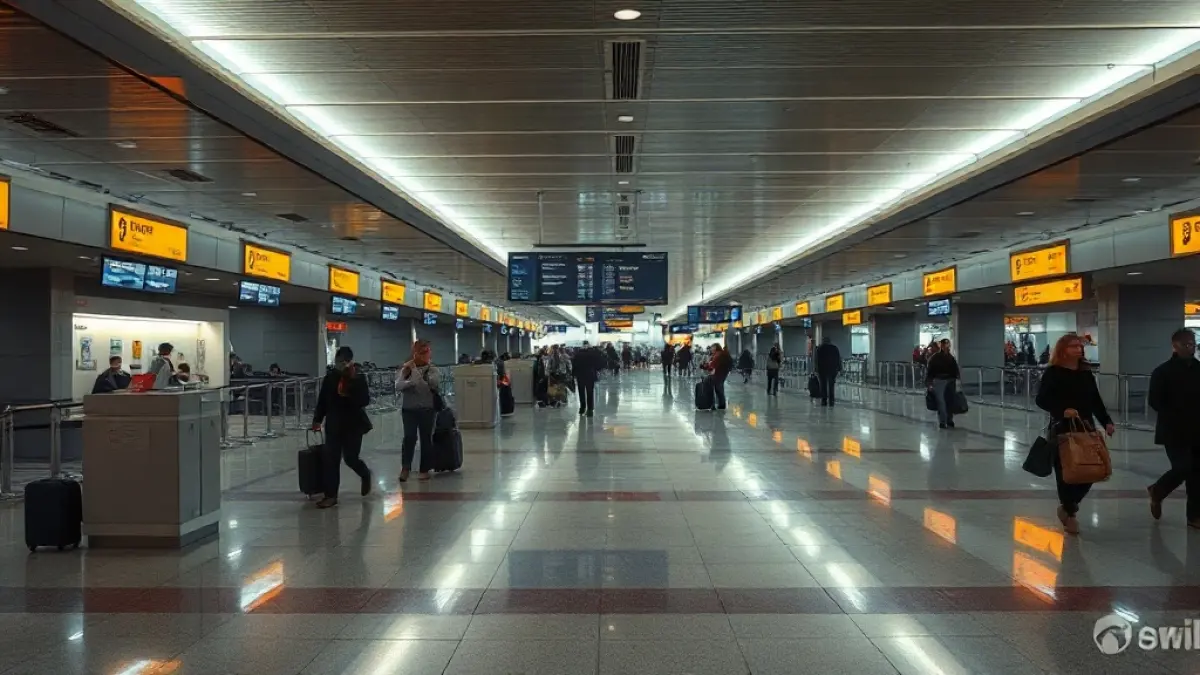
Some Hong Kong pro-democracy activists who have completed prison sentences have faced long questioning or been turned away at Japanese border checkpoints, according to sources familiar with the matter. The cases have raised questions about how Japan applies its landing rules to visitors from Hong Kong, who can enter visa-free for short stays.
Key facts
- Hong Kong visitors have been exempt from visas for stays of up to 90 days since 2004
- Japan's Immigration Control and Refugee Recognition Act denies landing to anyone sentenced to imprisonment of one year or more, except in cases involving political offences
- Activist Jimmy Sham was held for almost 22 hours at Tokyo's Haneda airport in June 2026 before being allowed in
- One Hong Konger jailed over a 2019 illegal assembly was told on arrival to return to Hong Kong and apply for a visa
Who is being affected?
The travellers concerned are Hong Kong residents who were convicted of charges including taking part in illegal assemblies and have since finished their prison terms. The Japan Hong Kongers Association, a Tokyo-based group supporting expatriates, said one individual previously jailed over a 2019 illegal assembly was asked on arrival in Japan to go back to the semiautonomous Chinese territory and apply for a visa.
Jimmy Sham, a Hong Kong pro-democracy activist who completed a prison term of more than four years for subversion in a national security case in May 2025, was detained for almost 22 hours at Tokyo's Haneda airport in June for questioning before being admitted. He said immigration officers told him people with over a year's imprisonment on their records were not welcome in Japan, even though he had declared his conviction in advance and explained it was politically motivated and did not involve violence.
What does Japanese law say?
Japan's Immigration Control and Refugee Recognition Act stipulates that individuals sentenced to imprisonment for one year or more shall be denied permission to land in the country, except in cases involving political offences. Tomoko Ako, a professor at the University of Tokyo, said Japan "has yet to properly discuss" the definition of political offenders, leaving what she called "this state of ambiguity we currently face."
Japan's Immigration Services Agency declined to respond to queries about the criteria its officers use when considering entry for individual visitors based on the criminal records they declare.
Why are these cases happening now?
Beijing introduced a national security law in 2020 that cracks down on a wide range of dissenting acts in the former British colony, following pro-democracy protests that swept through the financial hub in 2019. Tokyo has called the enactment of the law "regrettable," saying it will hurt international confidence in the "one country, two systems" principle.
Isao Itabashi, chief of the research division at Japan's Council for Public Policy, said immigration authorities could have foreseen Sham's attempt to enter Japan developing into a potential diplomatic issue, and that the detention for more than 20 hours was "appropriate." Alric Lee, a visiting Hong Kong researcher at Hitotsubashi University in Tokyo and founder of the human rights group Lady Liberty Hong Kong, said he had not heard of such incidents in any other democratic country.
What this means for travellers
Hong Kong passport holders can still travel to Japan visa-free for stays of up to 90 days, but those with prison sentences of a year or more on their record may face questioning or refusal at the border under the landing rules. Sham has called for clearer guidelines for Japanese immigration authorities handling entry attempts by Hong Kong pro-democracy activists.
No change to the rules has been announced. The Immigration Services Agency has not set out the criteria its officers apply to declared criminal records, so affected travellers have no published guidance to check before flying.
 Hong Kong
 China