
 JapanVisas
Japan turns away US comedian over entertainer visa before Tokyo shows
A Palestinian American comedian says Japan denied him entry and held him for nearly 24 hours because he lacked the visa needed to perform stand-up in Tokyo. He was returned to the US instead of continuing his tour.
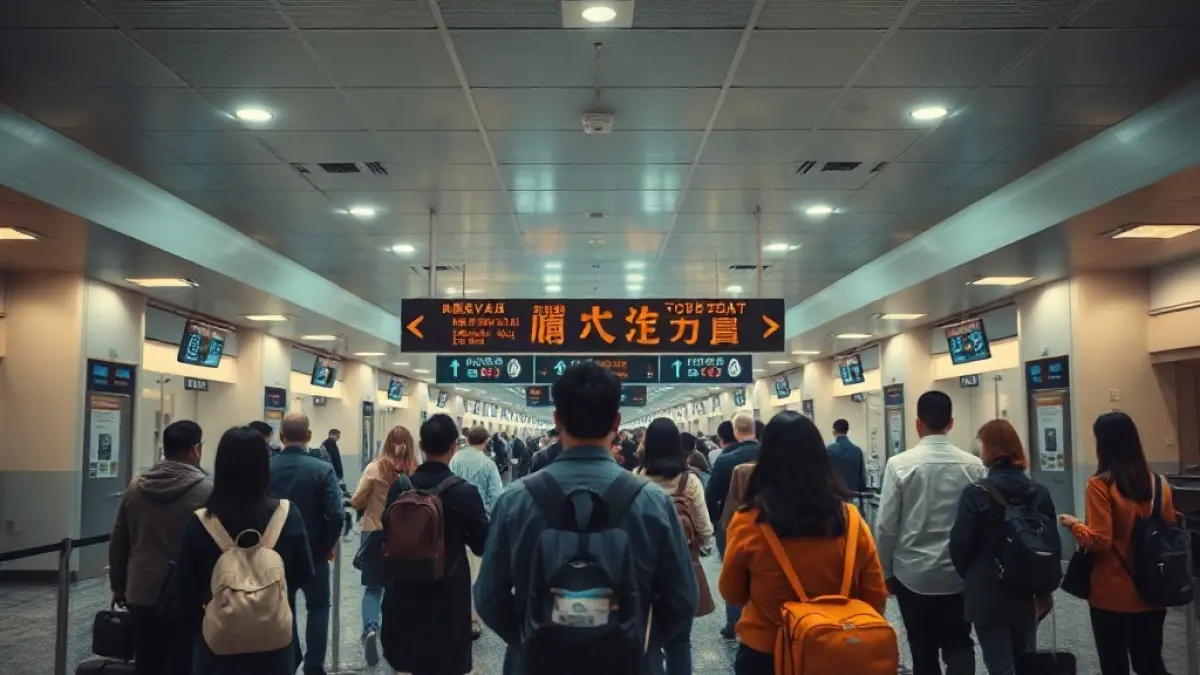
Japan denied entry to Palestinian American comedian Sammy Obeid and detained him for nearly 24 hours over a visa issue connected to stand-up shows he had planned in Tokyo, he said on Friday. Obeid, who travelled with two fellow comedians who were admitted, acknowledged a visa violation but questioned how his case was handled.
Key facts
- Who: Sammy Obeid, a Palestinian American comedian with planned Tokyo performances
- What: Denied entry to Japan and held before being returned to the United States
- How long: Roughly 22 hours alone, he said, out of nearly 24 hours in detention
- Reason given: He lacked the visa required to work as an entertainer in Japan
- Appeal option: Offered, but officials said it could take 72 hours while he remained confined
- Status of account: Japanese authorities had not publicly commented as of Friday
What happened at the border?
Obeid said he arrived in Tokyo two days before the scheduled shows with two other comedians, who were allowed into the country. Immigration officials questioned him through an interpreter about his work, his travel plans and what he intended to do in Japan.
He said officials asked for an hour-by-hour itinerary and then told him he did not hold the visa required to work as an entertainer. His account of the detention conditions could not be independently verified.
What are Japan's rules for performers?
Japanese immigration rules place entertainment performances under the "Entertainer" residence status. Short-term visits for tourism or business do not cover paid activities, and the entertainer visa process generally requires a Certificate of Eligibility.
Obeid said he had been unable to obtain the sponsorship needed for that visa because the venues were small. He said no one in Japan was paying him directly and that tickets were sold through a US-based platform, which led him to believe entry would be permitted based on advice and earlier travel experience. He accepted that a violation had occurred, writing: "And yeah, it's on me for not seeing this coming."
What happened while he was held?
Officials offered him the choice to appeal the refusal but told him the process could take 72 hours and that he would remain confined during it, he said. He chose to leave instead.
Obeid said he was kept alone for about 22 hours without food, a shower, his phone, his laptop or any reading or writing materials, and that officials searched his luggage for weapons and drugs. He was required to fly back to the United States with the airline he had arrived with, and his request to carry on his tour in Hong Kong or Taiwan was refused.
What this means for travellers
The case underlines that short-term entry to Japan for tourism or business does not cover paid performances or other paid work. Travellers planning to perform or otherwise work in Japan should check which visa category applies before booking flights, and allow time for any sponsorship or Certificate of Eligibility process.
Obeid cancelled his weekend shows and offered ticket holders a refund, admission to another performance or access to a future virtual show. He has appeared on Conan, America's Got Talent and Netflix's 100 Humans, and his material also addresses Palestine and the war on Gaza. Japanese authorities had not publicly commented on his account as of Friday.
Also about:  United States
 Hong Kong
 Taiwan