
 KenyaTravel
Kenya Expands Ebola Screening at Nairobi Airport as More Cases Appear
Kenya has confirmed seven more Ebola cases since 6 October 2026. Screening is being scaled up at Jomo Kenyatta International Airport, border crossings and transport corridors across 13 high-risk counties.
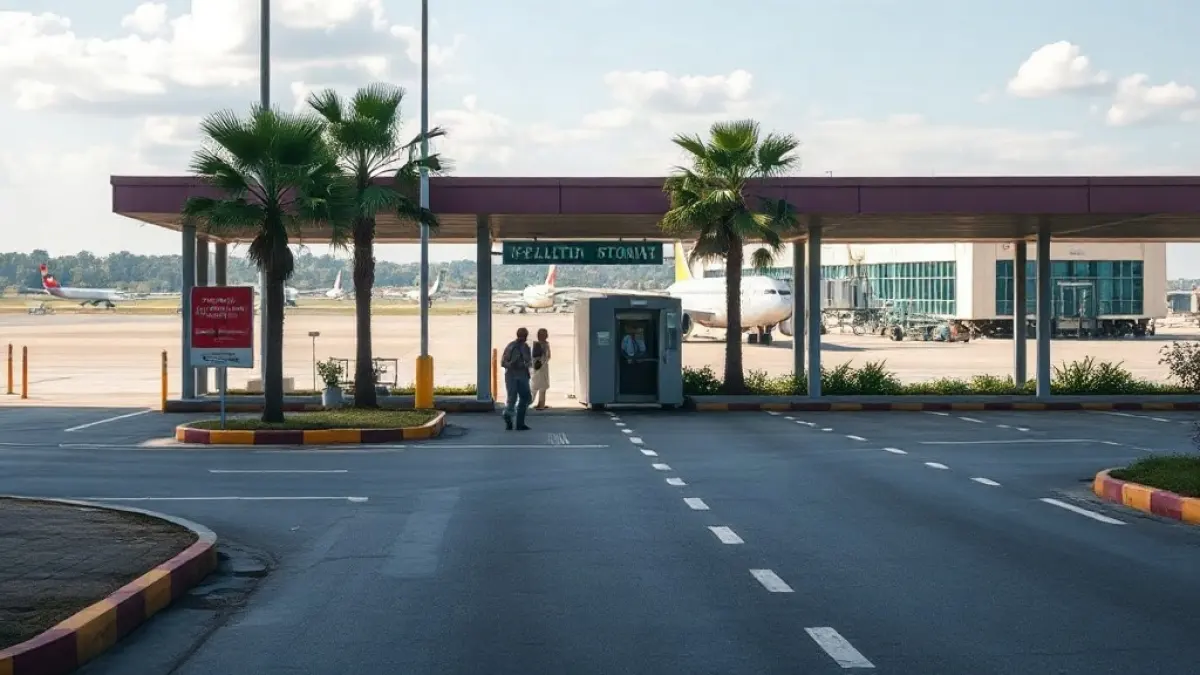
Kenya has confirmed seven more Ebola cases since its first case on 6 October 2026, and the International Rescue Committee (IRC) is supporting the Ministry of Health to expand screening, contact tracing and health worker training in high-risk areas. The measures include health checks at Jomo Kenyatta International Airport, border crossings and transport corridors.
Key facts
- First case confirmed in Kenya on 6 October 2026; seven more cases found since.
- More than 9,000 cases are recorded in the neighbouring Democratic Republic of the Congo (DRC).
- Kenyan authorities have traced and quarantined more than 99% of contacts.
- Screening and response work covers Jomo Kenyatta International Airport, border crossings, transport corridors and 13 high-risk counties.
- The DRC outbreak was declared on 15 May and affects Ituri and North Kivu provinces.
What has happened?
Kenya's first case was a Kenyan citizen who travelled from the DRC through Uganda and died in Nairobi. Authorities immediately began tracing family members, health workers and fellow passengers who had been in contact with him.
The IRC said early government action has placed Kenya in a good position to contain the spread, with more than 99% of contacts traced and quarantined. At the same time, the outbreak is spreading rapidly in the neighbouring DRC, and the risk of new cases arriving across borders is described as steady.
Where is screening taking place?
The Ministry of Health is running screening and response work at border crossings and transport corridors, including Jomo Kenyatta International Airport and 13 high-risk counties. In these areas, the IRC is helping to:
- strengthen health screening at border crossings and other entry points;
- trace and follow up people who have been in contact with confirmed cases;
- share clear information with communities, including through mass communications campaigns;
- provide gloves, masks and sanitizers, and train frontline health workers to prevent infection in clinics and hospitals.
What is happening in the DRC?
The IRC has been responding since the outbreak was declared on 15 May, working with the Ministry of Health in Ituri and North Kivu provinces. Teams are helping keep basic health care running, protecting health workers and patients from infection, working with communities to build trust and providing protection and mental health support alongside mobile health teams.
"Kenya has a chance to stay ahead of an Ebola outbreak in the country," said Irene Bosire, IRC deputy director of programs in Kenya, who called for fast action both in Kenya and at the source in eastern DRC.
What this means for travellers
Travellers passing through Jomo Kenyatta International Airport, Kenyan border crossings and transport corridors in the affected areas should expect health screening to be in place. The source does not set out any specific documents, restrictions or requirements for travellers, and it gives no end date for the measures.
What happens next
The IRC is calling for continued funding for contact tracing, border screening and training of frontline health workers in Kenya, and for more community engagement in the DRC, where distrust towards the Ebola response is growing. No deadline or further dates have been announced.
 DR Congo
 Uganda